

Maintaining printing machinery is a critical aspect of ensuring the smooth operation and longevity of these complex systems. As a supplier of printing machinery, I have witnessed firsthand the numerous challenges that businesses face in keeping their equipment in optimal working condition. In this blog post, I will delve into the key challenges associated with maintaining printing machinery and offer insights on how to overcome them.
1. Technical Complexity
Printing machinery, whether it's a Flexographic Printing Machine, Plateless Printing Machine, or Plastic Resin Plate Making Machine, is highly technical. These machines consist of intricate mechanical, electrical, and electronic components that work in harmony to produce high - quality prints. Understanding the inner workings of each component requires specialized knowledge and training.
For example, modern flexographic printing machines are equipped with advanced servo - motor systems for precise control of printing speed and registration. If these servo - motors malfunction, it can lead to misaligned prints or even machine breakdowns. Maintenance technicians need to be well - versed in the principles of servo - motor operation, troubleshooting techniques, and calibration procedures.
The complexity is further compounded by the integration of software systems in printing machinery. Many machines now rely on computer - controlled interfaces for operation, monitoring, and adjustment. Technicians must be proficient in software programming, data management, and system updates to ensure that the machine's software runs smoothly and is up - to - date with the latest features and security patches.

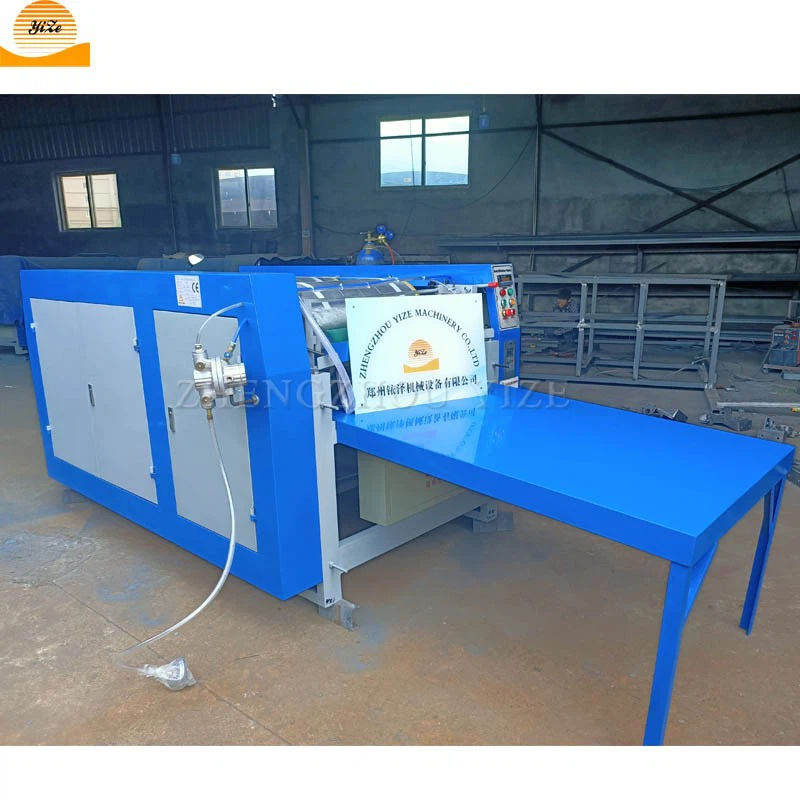
2. Wear and Tear
Printing machinery operates under high - stress conditions, involving constant movement of parts, high temperatures, and exposure to various chemicals. This results in significant wear and tear over time. Components such as print rollers, blades, and gears are particularly prone to damage.
Print rollers, for instance, are in direct contact with the printing substrate and ink. Continuous friction and pressure can cause the surface of the rollers to wear down, leading to uneven ink transfer and poor print quality. Blades used for ink metering and cleaning can also become dull or damaged, affecting the precision of ink application.
Regular inspection and replacement of worn - out parts are essential to prevent further damage to the machine. However, identifying the right time to replace a part can be challenging. Premature replacement can be costly, while delaying replacement can lead to more extensive damage and production downtime.
3. Contamination
Contamination is a major issue in printing machinery. Ink, dust, and other foreign particles can easily accumulate on the components of the machine, leading to a range of problems.
Ink residue can build up on the print heads, rollers, and other ink - contacting parts. This can cause clogging, which results in interrupted ink flow and inconsistent print quality. Dust and debris can also find their way into the mechanical and electrical components, causing overheating, short - circuits, and mechanical failures.
To combat contamination, regular cleaning procedures need to be established. This includes cleaning the ink systems, print heads, and other critical components at specified intervals. However, cleaning must be done carefully to avoid damaging the delicate parts of the machine. Specialized cleaning agents and tools are often required, and technicians need to follow strict safety protocols to prevent exposure to harmful chemicals.
4. Calibration and Alignment
Precise calibration and alignment are crucial for achieving high - quality prints. Printing machinery needs to be calibrated regularly to ensure that the colors are accurate, the registration is perfect, and the print quality is consistent across different batches.
For example, in a flexographic printing machine, the anilox rollers, print plates, and impression cylinders need to be properly aligned to ensure uniform ink transfer and sharp image reproduction. Any misalignment can result in blurred or distorted prints.
Calibration is not a one - time process. It needs to be repeated periodically, especially after maintenance or when there are changes in the printing materials or operating conditions. However, calibration can be a time - consuming and complex task, requiring specialized equipment and skilled technicians.
5. Cost of Maintenance
Maintaining printing machinery can be expensive. The cost includes not only the price of replacement parts but also the labor cost of maintenance technicians. High - end printing machines often require expensive, specialized parts that are not readily available in the market.
In addition, the cost of training maintenance personnel to handle the technical complexity of the machines is also significant. Businesses need to invest in continuous training programs to keep their technicians updated with the latest technologies and maintenance techniques.
Moreover, production downtime during maintenance can lead to lost revenue. Minimizing downtime requires efficient maintenance planning and the availability of spare parts, which can further increase the overall cost of maintenance.
6. Availability of Spare Parts
The availability of spare parts is a critical factor in maintaining printing machinery. When a machine breaks down, timely replacement of the faulty part is essential to minimize production downtime. However, some parts may be difficult to source, especially for older or specialized machines.
Manufacturers may discontinue the production of certain parts, or they may have long lead times for new orders. This can be a major challenge for businesses that rely on their printing machinery for continuous production. To address this issue, businesses need to develop a strategic spare - parts inventory management system. They need to identify the critical parts that are most likely to fail and maintain an adequate stock of these parts.
Overcoming the Challenges
Despite these challenges, there are several strategies that businesses can adopt to effectively maintain their printing machinery.
- Invest in Training: Provide comprehensive training programs for maintenance technicians to enhance their technical skills and knowledge. This will enable them to handle complex maintenance tasks, troubleshoot problems effectively, and perform regular calibration and alignment.
- Establish a Preventive Maintenance Schedule: Develop a detailed preventive maintenance schedule based on the manufacturer's recommendations and the machine's usage patterns. This will help in early detection of potential problems and prevent major breakdowns.
- Partner with a Reliable Supplier: Choose a printing machinery supplier who offers good after - sales support, including access to spare parts, technical advice, and maintenance services. A reliable supplier can also provide training programs and updates on the latest maintenance techniques.
- Implement a Spare - Parts Management System: Keep an inventory of critical spare parts and establish relationships with multiple suppliers to ensure a continuous supply of parts. This will help in reducing production downtime in case of a breakdown.
Conclusion
Maintaining printing machinery is a challenging but essential task for businesses in the printing industry. By understanding the key challenges and implementing effective maintenance strategies, businesses can ensure the smooth operation of their machines, improve print quality, and reduce production costs.
If you are facing challenges in maintaining your printing machinery or are interested in purchasing high - quality printing equipment, we are here to help. Our team of experts can provide you with comprehensive solutions tailored to your specific needs. Contact us to start a discussion about your printing machinery requirements and explore how we can assist you in achieving optimal performance.
References
- "Printing Machinery Maintenance Handbook" - A comprehensive guide on the best practices for maintaining different types of printing machinery.
- Industry reports on the latest trends and challenges in printing machinery maintenance.
- Manufacturer's manuals for the various printing machines, which provide detailed information on maintenance procedures and specifications.