

Can a feed processing machine process wet materials? That's a question I get asked a lot as a feed processing machine supplier. Folks are always looking for the most efficient and effective ways to handle their feed production, and wet materials are a common concern. So, let's dive right into it and see what the deal is.
First off, the short answer is yes, but with some caveats. Not all feed processing machines are created equal when it comes to dealing with wet materials. The ability to process wet stuff depends on the type of machine you're using and its specific design features.
Let's talk about some common types of feed processing machines and how they handle wet materials.
Trailed Pick - up Baler
The Trailed Pick - up Baler is a great example. This machine is primarily used for collecting and baling hay and other forage materials. When it comes to wet materials, it can be a bit of a mixed bag.
On one hand, if the material is just slightly damp, the trailed pick - up baler can usually handle it without too much trouble. The baling process generally involves compressing the material, and a little moisture won't necessarily stop that from happening. However, if the material is extremely wet, it can cause problems.

Wet materials are heavier and can put more strain on the machine's components. This might lead to increased wear and tear, and in some cases, it could even cause the baler to jam. Also, if the bales are made from very wet materials, they're more likely to develop mold during storage. So, while it can be used with wet materials to some extent, it's best to let the material dry out a bit before running it through the Trailed Pick - up Baler.
Animal Feed Pellet Machine
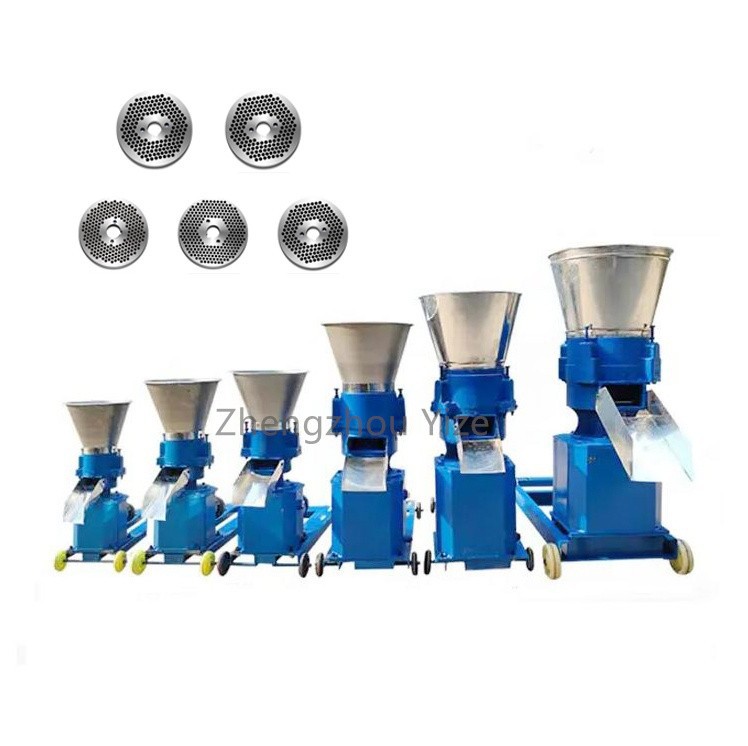
The Animal Feed Pellet Machine is another important player in the feed processing world. These machines are designed to turn various feed ingredients into pellets.
Some modern animal feed pellet machines are actually engineered to work with wet materials. They have features like steam conditioning, which helps to soften the ingredients and make them more malleable for pelletizing. The steam can also help to bind the wet materials together, making it easier to form pellets.
However, there are limits. If the moisture content is too high, the pellets might not hold their shape properly. They could come out of the machine looking more like mush than proper pellets. And if the moisture isn't removed during the pelletizing process, the pellets are likely to spoil quickly. So, even with a machine that's capable of handling wet materials, it's crucial to control the moisture content.
Grain Grinder Machine
The Grain Grinder Machine is used to break down grains into smaller particles. When it comes to wet grains, it can be a challenge.
Wet grains are sticky, and they tend to clog the grinder's grinding mechanism. This can lead to reduced efficiency and even damage to the machine if the blockages aren't cleared promptly. Some grain grinders have special features to deal with slightly damp grains, but as a general rule, it's better to dry the grains before grinding them. This will ensure a smoother operation and better - quality feed.
Now, it's important to note that proper pre - treatment can make a big difference in a feed processing machine's ability to handle wet materials. For example, if you have wet materials, you can use a drying machine to reduce the moisture content to an acceptable level. This will not only make the feed processing easier but also improve the quality and shelf - life of the final product.
Another factor to consider is the overall design and quality of the feed processing machine. High - quality machines are often built with more robust components and better technology, which can give them an edge in handling wet materials. When choosing a feed processing machine, it's worth investing in a reliable brand that has a good reputation for handling various feed materials.
So, if you're in the market for a feed processing machine and you have a significant amount of wet materials to deal with, you need to do your research. Talk to different suppliers, ask about their machines' capabilities, and get some advice on pre - treatment methods.
We at [our company] are here to help. We've been in the feed processing machine business for years, and we know all about the challenges of working with wet materials. Our team can provide you with detailed information about our machines, including which ones are best suited for wet feed processing.
If you're interested in learning more about our feed processing machines and how they can handle wet materials, feel free to reach out. We're always happy to have a chat, answer your questions, and discuss how we can meet your feed production needs.
In conclusion, while it is possible for a feed processing machine to process wet materials, it's not a one - size - fits - all situation. Different machines have different capabilities, and proper pre - treatment and machine selection are key. So, don't hesitate to get in touch and start a conversation about your feed processing requirements. Let's work together to find the best solution for your business.
References
- Agricultural Machinery Handbook, various editions
- Journal of Feed Processing Technology, multiple issues over the years