

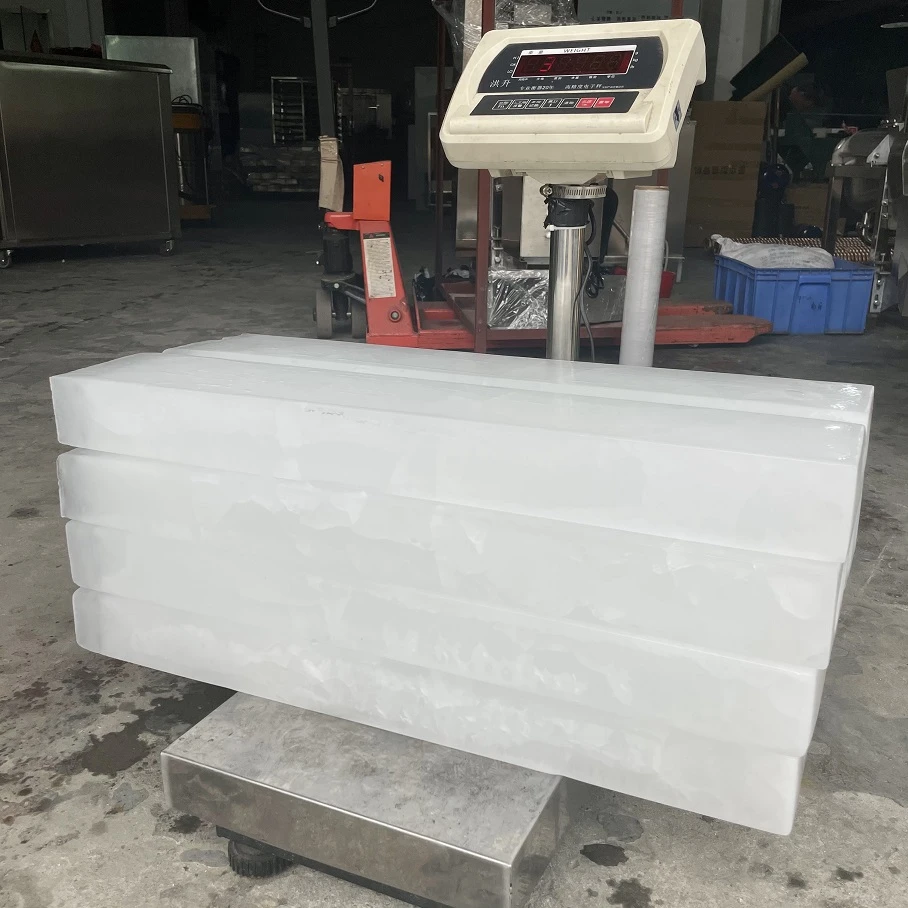
Why Large Ice Blocks Still Matter in Modern Cooling Applications
When people think of ice making, they often picture small cubes for beverages or crushed ice for food displays. However, many industries require a different type of ice: large, solid blocks specifically designed for long-lasting cooling.
Industrial block ice machines freeze water into rectangular blocks to meet the demands of commercial and industrial applications. They are engineered to produce ice capable of withstanding long-distance transport, slow melting rates, and rigorous cooling requirements.
For sectors such as industry, agriculture, large-scale ice supply, seafood processing, fisheries, and cold-chain logistics, block ice is more than just a cooling product-it is a vital component of temperature management systems.
What is an industrial block ice machine?
An industrial block ice machine is a refrigeration system that transforms water into large ice blocks through a controlled freezing process.
The equipment typically comprises the following components:
Stainless steel ice molds
Refrigeration system
Compressor unit
Condensing system
Water filling system
Temperature control system
Ice harvesting system
Block ice machines are designed to produce high-density, large-volume ice blocks that melt slowly.
The resulting ice blocks can be customized in terms of weight and dimensions to meet specific application requirements, such as seafood transport, food preservation, and commercial ice supply.
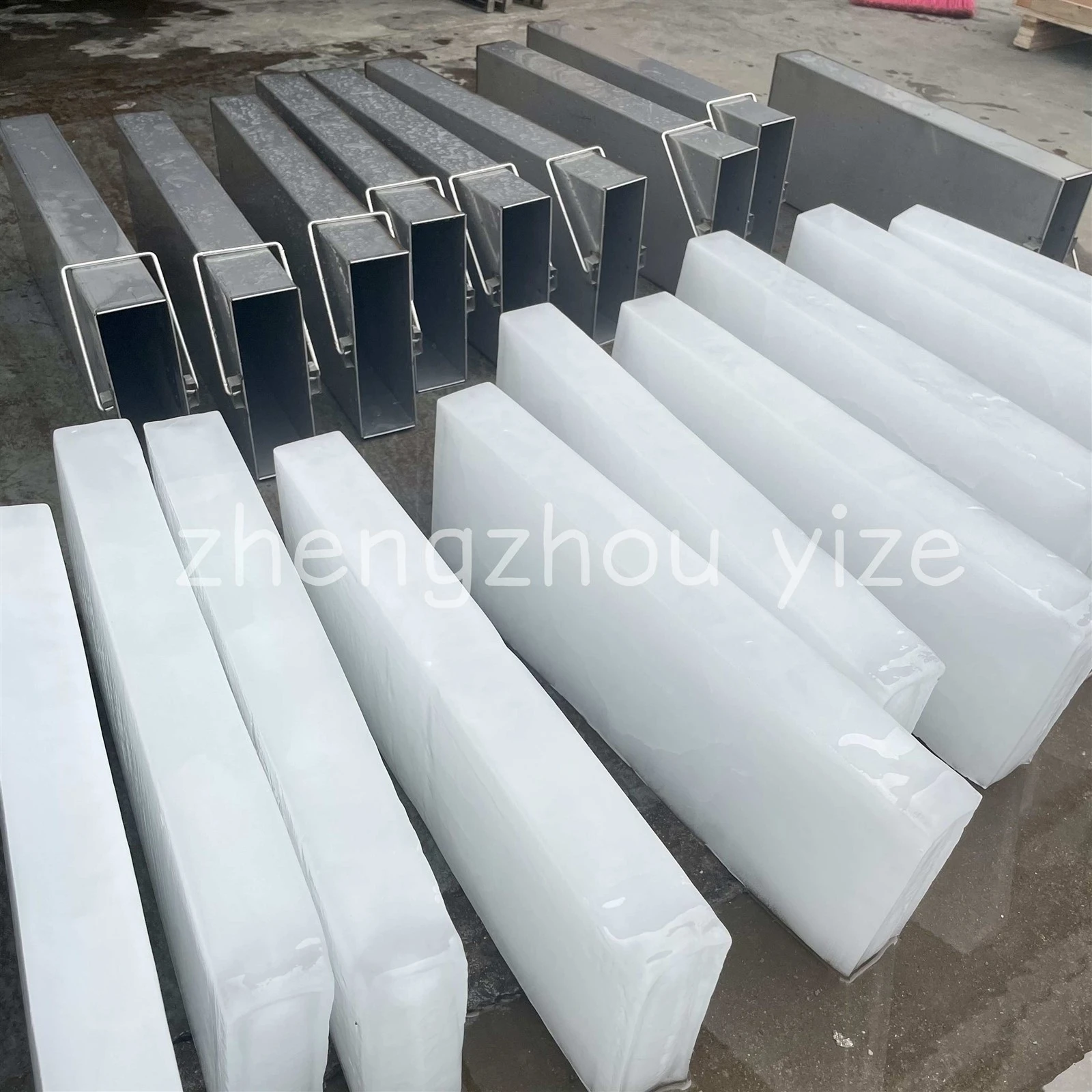
Why do various industries choose block ice over other types of ice?
Different industries have specific requirements regarding ice shape.
1. Longer cooling duration
Slower melting rate
Extended cooling effect
Reduced frequency of ice replenishment
For fishing vessels or seafood transport requiring sustained low temperatures, large blocks of ice offer a practical cooling solution.
2. Ease of storage and transport
Industrial block ice is solid and durable enough to withstand stacking and handling.
It can be:
Stored in cold storage facilities
Loaded into shipping containers
Transported to remote areas
Used for long-distance food transport
This makes block ice particularly valuable in regions lacking continuous refrigeration infrastructure.
3. Suitable for heavy-duty cooling applications
Unlike small ice cubes primarily used for beverages or product displays, block ice is typically used for large-scale cooling needs.
Typical applications include:
Seafood preservation
Fisheries
Meat processing
Produce preservation
Cold chain logistics
Commercial ice supply
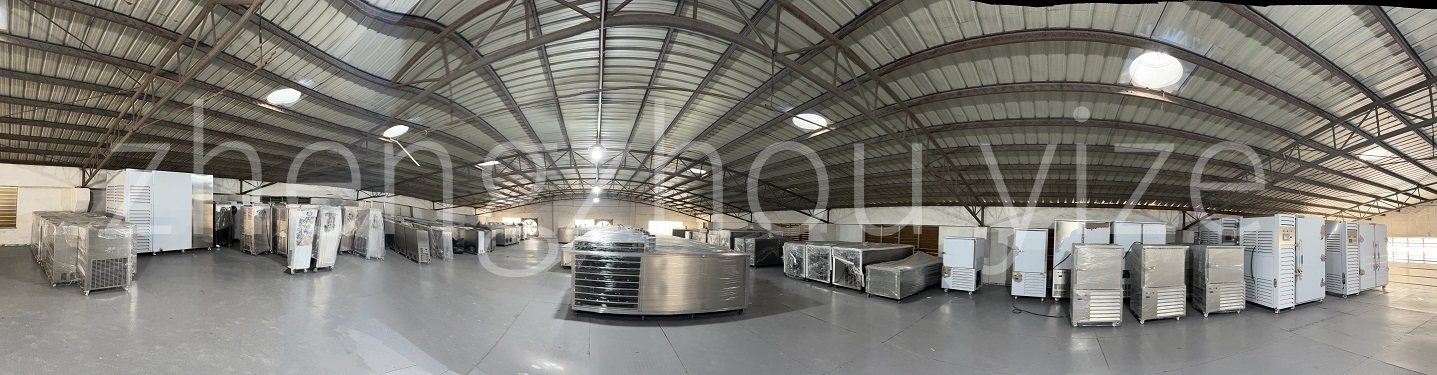
The complete production process involves several key stages.
Step 1: Water Filling
The production cycle begins with clean water being filled into the ice molds.
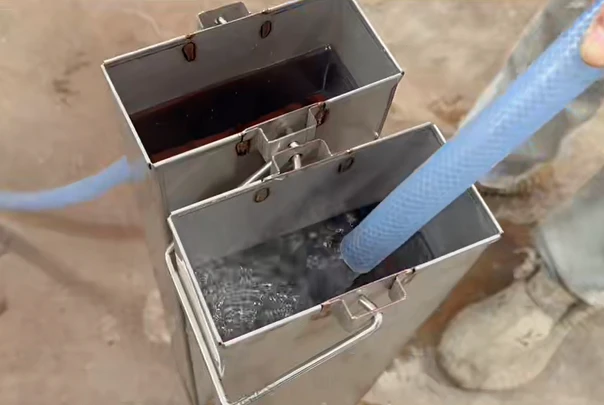

Step 2: Controlled Freezing Process
Once filling is complete, the refrigeration system begins extracting heat from the water.
The compressor circulates refrigerant through the cooling system, enabling the evaporator to absorb heat from the ice molds.
As the temperature drops, the water gradually transitions from a liquid state to solid ice.
Step 3: Ice Block Formation
During the freezing phase, the water gradually solidifies into dense ice blocks.
The controlled freezing process results in:
A solid ice structure
Uniform shape
Reduced melting loss
The resulting ice blocks are convenient for handling, transport, and long-duration cooling applications.

Step 4: Harvesting and Collection
After the freezing cycle concludes, the machine releases the finished ice blocks from the molds.
The ice blocks are then removed and prepared for:
Storage, transport, crushing, or direct cooling applications.


