

How do you choose the right industrial ice block making machine for your ice plant?
When purchasing an industrial block ice machine, simply opting for the unit with the highest production capacity is not necessarily the wisest move.
Even with a high-output machine, an ice plant can still face challenges such as excessive operating costs, difficulties with ice storage, inefficient distribution logistics, or ice specifications that do not meet requirements.
A more prudent approach is to consider the core questions: Who are your target customers? What is the daily ice consumption? How will the ice be transported? How long must the ice remain unmelted?
For seafood suppliers, fishery enterprises, food distributors, and commercial ice plants, these considerations are often more critical than the machine's production capacity alone.
This guide outlines the key factors to consider when selecting an industrial block ice machine for your ice plant.

Industrial Ice Brick Machine Buying Guide
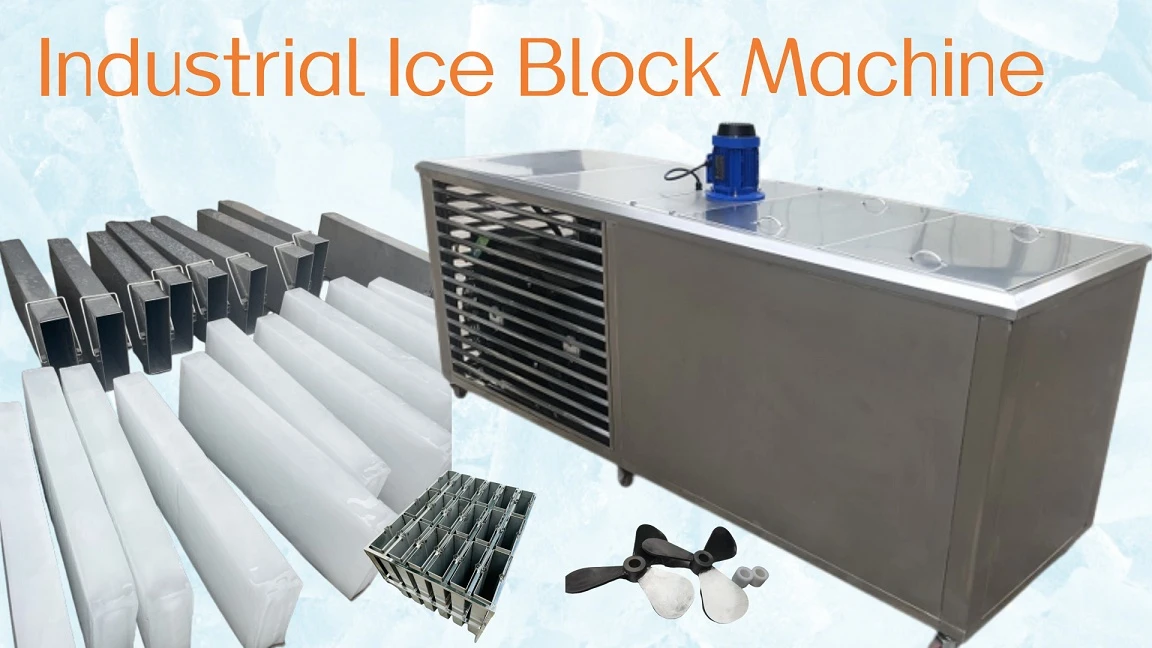
1. Determine Your Required Production Capacity
Start with your actual daily ice demand, rather than choosing the largest machine available.
Consider:
Average daily demand
Peak-season demand
Expected future growth
Planned operating hours
A machine that is too small may not meet customer orders, while excessive capacity can increase investment and operating costs.
The ideal production capacity should leave reasonable room for future growth without creating unnecessary production pressure.
2. Select the Appropriate Ice Block Size
The size of the ice blocks should match the intended application.
For example:
Seafood and fisheries: Larger ice blocks are typically preferred for longer-lasting cooling.
Local ice delivery: Smaller ice blocks may be easier to handle and transport.
Large-scale cooling: Heavier ice blocks can reduce the frequency of replacement.
Before selecting ice molds, consider factors such as ice weight, dimensions, handling methods, storage space, and transport distance.
3. Consider the Refrigeration System
The refrigeration system is the core of an industrial block ice machine.
Key components include:
Compressor
Condenser
Evaporator
Refrigerant system
Temperature control system
Do not focus solely on the compressor brand; instead, consider the overall refrigeration design and long-term operational reliability.
For plants operating for extended periods daily, stable refrigeration performance is often more important than a low initial purchase cost.
4. Consider Local Climate Conditions
The operating environment significantly impacts ice production output.
Plants located in hot regions-such as Africa, the Middle East, Southeast Asia, and tropical coastal areas-must account for the effects of high ambient temperatures when selecting refrigeration equipment.
Before ordering, provide the supplier with the following information:
Installation location
Typical ambient temperature
Inlet water temperature
Planned operating hours
This helps ensure the equipment configuration matches the actual working environment.
5. Confirm Power and Water Requirements
Verify the available power supply before purchasing:
Voltage
Number of phases
Frequency
Local electrical standards
Also, consider water quality, as water is the raw material for the ice blocks.
Using a clean water source helps maintain consistent ice quality and reduces issues caused by scale buildup or impurities.
6. Plan for Storage and Ice Handling
Production capacity is just one aspect of an ice plant's operations.
The complete process includes:
Ice making → Demolding → Storage → Loading → Transport
Large ice blocks require appropriate storage space and handling methods.
Depending on the scale of production, plants may utilize the following equipment:
Hand carts
Cranes
Conveyor systems
Forklifts
A well-planned plant layout can reduce unnecessary manual labor and improve daily operational efficiency.
7. Calculate long-term operating costs
When evaluating industrial block ice machines, do not focus solely on the purchase price.
Consider the total cost of ownership, which includes:
Electricity consumption
Water usage
Labor costs
Maintenance expenses
Spare parts costs
Losses due to downtime
Storage and transportation costs
If a machine ensures stable production and reduces operating costs over its service life, it may prove more cost-effective in the long run, even if the initial investment is slightly higher.
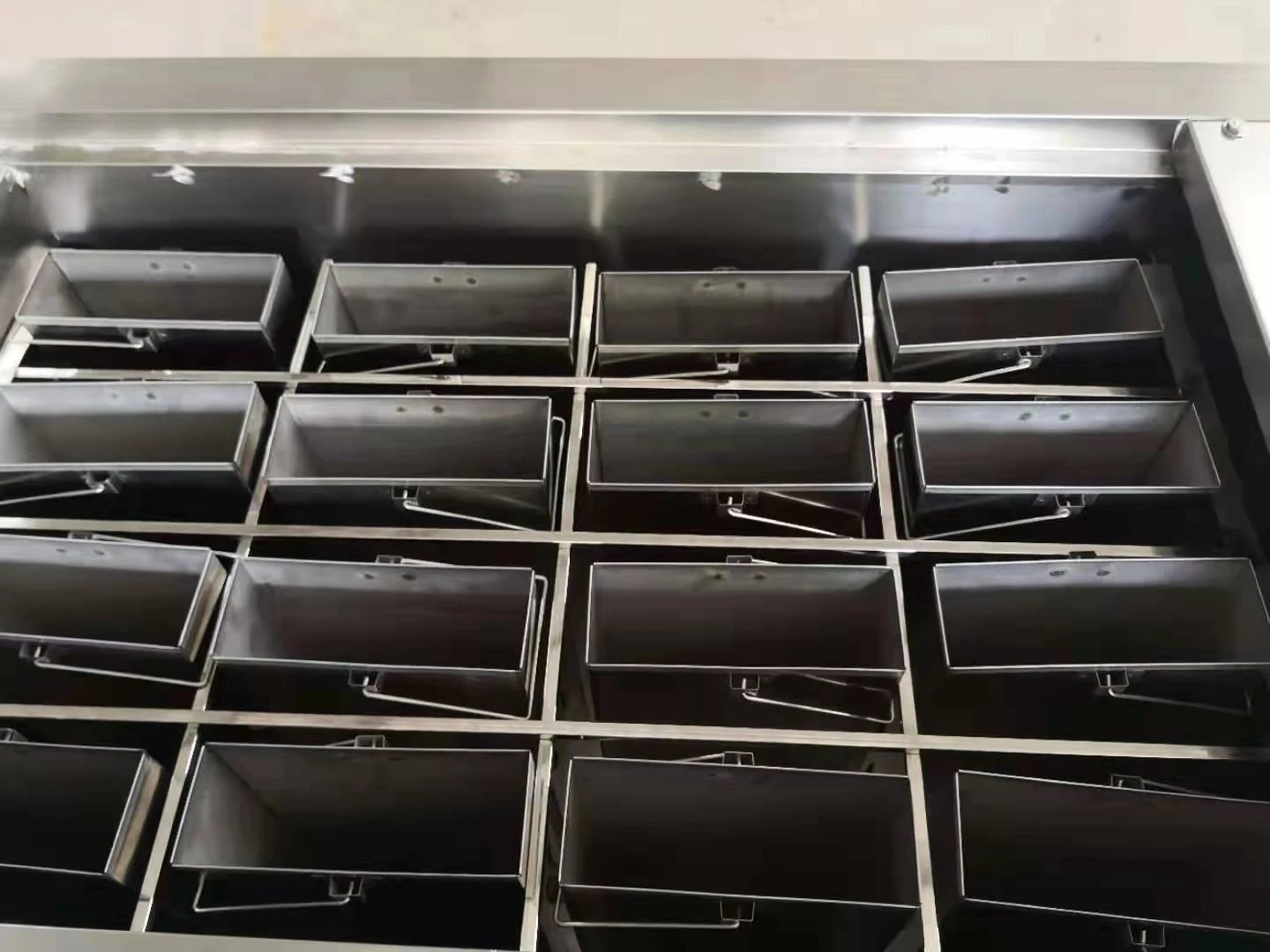
Selecting the right industrial block ice machine should begin with a thorough understanding of your specific ice-making operations, rather than relying solely on price comparisons.
The optimal solution should fully take into account the following factors:
Market demand → Ice block specifications → Production capacity → Climatic conditions → Power supply → Storage requirements → Handling operations
Once these factors are clearly defined, selecting an industrial block ice machine that suits your facility and supports stable, long-term production becomes much easier.


