

Hey there! As a supplier of printing machinery, I often get asked about the printing speed of high - end printing machinery. It's a crucial factor for businesses looking to boost their productivity and meet tight deadlines. So, let's dive right in and explore what the printing speed of high - end printing machinery really means.
First off, it's important to understand that printing speed can be measured in different ways. The most common metrics are pages per minute (PPM) for document printers and linear feet per minute (FPM) for large - format and industrial printers. These measurements give us a basic idea of how fast a machine can print, but there's more to it than just these numbers.
For high - end document printers, speeds can range from around 30 PPM to well over 100 PPM. The higher - end models are designed for high - volume offices where large quantities of documents need to be printed quickly. For example, a busy law firm or a corporate office might require a printer that can churn out hundreds of pages in a short amount of time. These printers are built with advanced technology and powerful engines to achieve such high speeds.
On the other hand, large - format and industrial printers are measured in FPM. These machines are used for printing things like banners, posters, and packaging materials. The speed of these printers can vary widely depending on the type of material being printed, the resolution, and the complexity of the design. Some high - end industrial printers can reach speeds of up to 100 FPM or more, which is incredibly fast when you consider the size of the prints they produce.
Now, let's talk about the factors that can affect the printing speed of high - end printing machinery. One of the biggest factors is the type of printing technology being used. There are several different types of printing technologies, including inkjet, laser, and flexographic printing.
Inkjet printers work by spraying tiny droplets of ink onto the printing surface. They are known for their high - quality prints and versatility, but they can be slower than laser printers, especially when printing large volumes. Laser printers, on the other hand, use a laser beam to transfer toner onto the paper. They are generally faster and more efficient for printing text - based documents, but they may not be as good at printing high - resolution images.
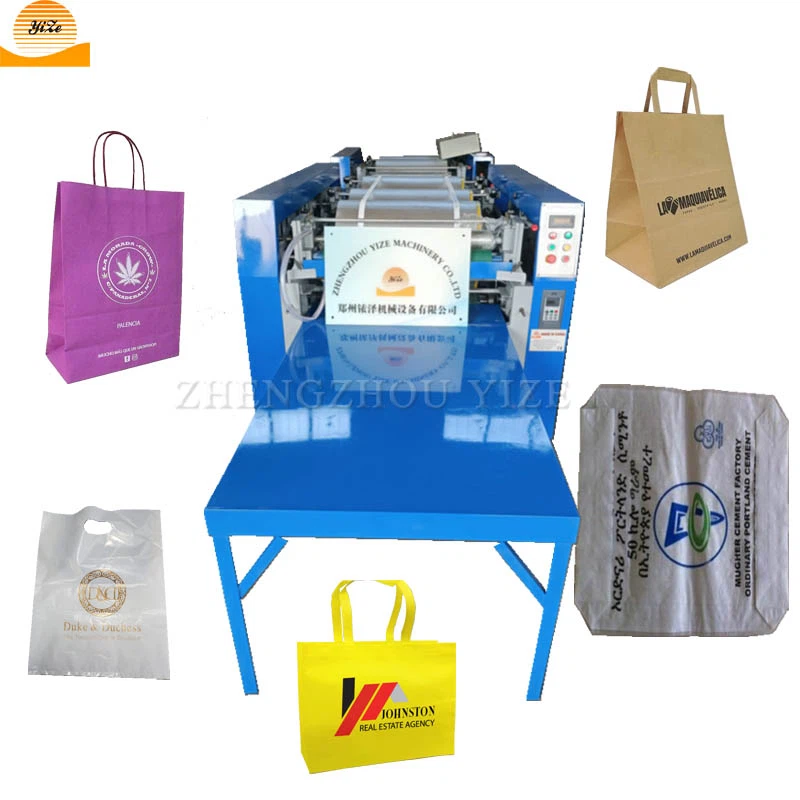
Flexographic printing is a type of rotary printing process that is commonly used for packaging and label printing. It uses flexible relief plates to transfer ink onto the substrate. Flexographic Printing Machine can achieve very high speeds, making them ideal for high - volume production runs.
Another factor that can affect printing speed is the resolution of the print. Higher resolutions require more ink or toner to be applied to the paper, which can slow down the printing process. If you're printing a document that doesn't require a high level of detail, you can usually set the printer to a lower resolution to increase the printing speed.
The type of paper or substrate being used also plays a role in printing speed. Some papers are more absorbent than others, which can affect how quickly the ink or toner dries. If the ink or toner doesn't dry quickly enough, it can smudge or smear, resulting in a lower - quality print. High - end printing machinery is often designed to work with a wide range of papers and substrates, but it's important to choose the right one for your specific needs.
In addition to these factors, the complexity of the design can also impact printing speed. If you're printing a document with a lot of colors, graphics, or special effects, it will take longer to print than a simple black - and - white document. High - end printing machinery is often equipped with advanced software and hardware to handle complex designs more efficiently, but there's still a limit to how fast they can print.
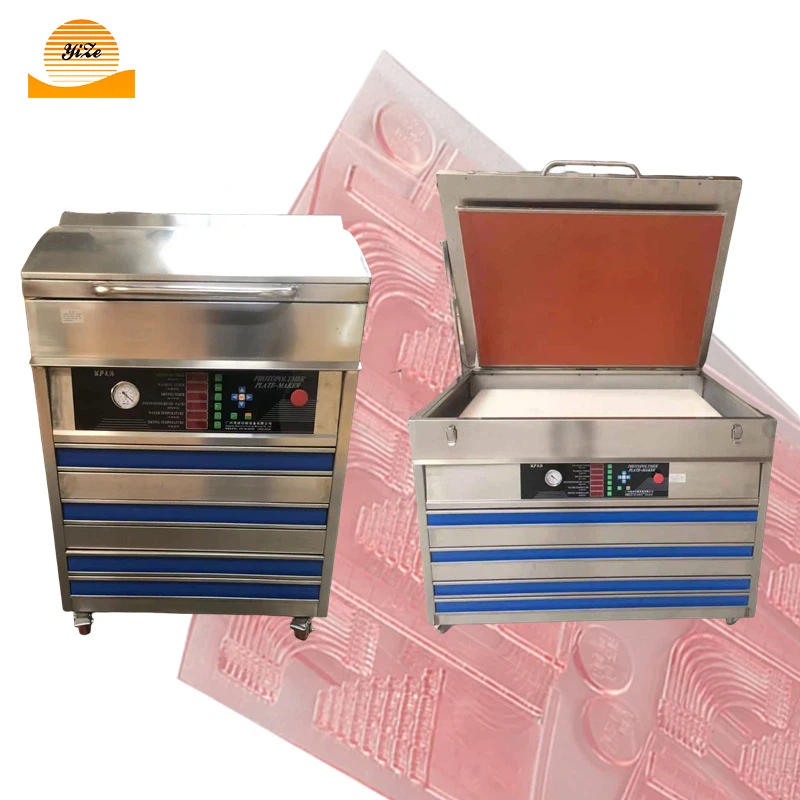
Now, let's take a look at some of the high - end printing machines that we offer as a supplier. One of our popular products is the Plastic Resin Plate Making Machine. This machine is used for making plastic resin plates, which are commonly used in flexographic printing. It offers high - precision plate making and can help improve the overall printing speed and quality of your flexographic printing process.
Another great product is the UV DTF Printing Machine A3 Flatbed Printing Machinery For T - Shirt Printer. This machine is designed for printing on T - shirts and other textiles. It uses UV - cured inks, which dry quickly and produce high - quality prints. The A3 flatbed design allows for easy loading and printing of different sizes of garments, and it can achieve relatively fast printing speeds, making it a great choice for small - to - medium - sized apparel businesses.
So, why is the printing speed of high - end printing machinery so important? Well, for businesses, time is money. A faster printing speed means that you can produce more prints in less time, which can increase your productivity and profitability. It also allows you to meet tight deadlines and satisfy your customers' needs more quickly.
If you're in the market for high - end printing machinery and you're looking for a machine with a fast printing speed, we're here to help. As a printing machinery supplier, we have a wide range of products to choose from, and our team of experts can help you find the right machine for your specific needs. Whether you're a small business looking to print a few hundred flyers or a large corporation in need of high - volume production, we've got you covered.
If you're interested in learning more about our products or discussing your printing requirements, don't hesitate to get in touch. We're always happy to have a chat and see how we can help you take your printing business to the next level.
References
- Printing Industry Handbook, various editions
- Technical guides from leading printing machinery manufacturers