

Hey there! As a printing machinery supplier, I've seen firsthand how the cost of maintaining printing equipment can change over time. In this blog post, I'm gonna break down the components of maintenance costs, how they evolve, and what you can do to manage them effectively.
Understanding the Basics of Printing Machinery Maintenance Costs
First off, let's talk about what makes up the maintenance cost of printing machinery. There are several key factors:
1. Parts Replacement
Printing machines are made up of a ton of moving parts. Over time, these parts wear out and need to be replaced. For example, the rollers, belts, and print heads in a Flexographic Printing Machine are constantly in use. The friction and stress they endure can cause them to degrade. The cost of these parts can vary widely depending on the type of machine and the brand. High - end machines may have more expensive replacement parts, but they often come with better quality and longer lifespans.
2. Labor
You can't just replace parts on your own all the time. You'll need trained technicians to do the work. Labor costs include the hourly rate of the technicians, as well as their travel expenses if they need to come to your location. The complexity of the repair also affects the labor cost. For instance, a simple belt replacement might take an hour or two, but replacing a major component like the printing unit in a large - scale machine could take days and involve multiple technicians.
3. Lubricants and Consumables
Printing machines need lubricants to keep the moving parts running smoothly. These lubricants need to be replaced regularly. Additionally, consumables like ink, toner, and cleaning agents are also part of the maintenance cost. In a Plastic Resin Plate Making Machine, the resin used to make the plates is a significant consumable expense.
4. Software Updates
In today's digital age, many printing machines are controlled by software. Software updates are necessary to improve performance, add new features, and fix security vulnerabilities. Sometimes, these updates are free, but in other cases, you may need to pay a licensing fee or a support fee to get the latest version.
How Maintenance Costs Change Over Time
Early Years: Low but Steady
When you first buy a printing machine, the maintenance costs are usually relatively low. The machine is new, so the parts are in good condition, and there's less wear and tear. However, you still need to perform regular maintenance tasks like cleaning, lubricating, and software updates. These tasks are relatively inexpensive, but they're essential to keep the machine running properly.
Middle Years: Increasing Gradually
As the machine gets a few years old, the maintenance costs start to increase. The parts begin to show signs of wear, and you may need to replace some of them. The frequency of breakdowns also starts to go up, which means more labor costs for repairs. For example, a machine that was running smoothly for the first two years might start having issues with the ink delivery system in its third or fourth year.
Later Years: Potentially High
In the later years of a printing machine's life, the maintenance costs can skyrocket. Major components may need to be replaced, and the labor costs for these complex repairs can be substantial. At this point, you also need to consider whether it's more cost - effective to repair the machine or to replace it with a new one. Sometimes, the cost of a major repair can be close to the price of a new, more efficient machine.
Managing Maintenance Costs
Regular Maintenance Schedule
One of the best ways to manage maintenance costs is to follow a regular maintenance schedule. This includes daily, weekly, monthly, and annual maintenance tasks. By performing these tasks on a regular basis, you can catch small problems before they turn into big, expensive ones. For example, a daily cleaning of the print heads can prevent clogs and improve print quality, reducing the need for costly repairs later on.
Training Your Staff
If your staff is trained to perform basic maintenance tasks, you can save on labor costs. Teach them how to clean the machine, replace simple parts like belts and cartridges, and troubleshoot common problems. This not only reduces the need to call in external technicians but also allows your staff to identify issues early and report them to the appropriate people.
Investing in Quality Parts
When it's time to replace parts, don't just go for the cheapest option. Investing in high - quality parts may cost more upfront, but they usually last longer and perform better. This can reduce the frequency of part replacements and ultimately save you money in the long run.
Monitoring and Analytics
Use monitoring tools and analytics to track the performance of your printing machine. These tools can help you identify trends, such as increasing energy consumption or a decrease in print quality. By analyzing this data, you can predict when a part is likely to fail and schedule maintenance accordingly, reducing unplanned downtime and repair costs.
Conclusion
So, there you have it! The maintenance cost of printing machinery is a complex issue that changes over time. By understanding the components of maintenance costs, how they evolve, and how to manage them, you can keep your printing operations running smoothly and cost - effectively.

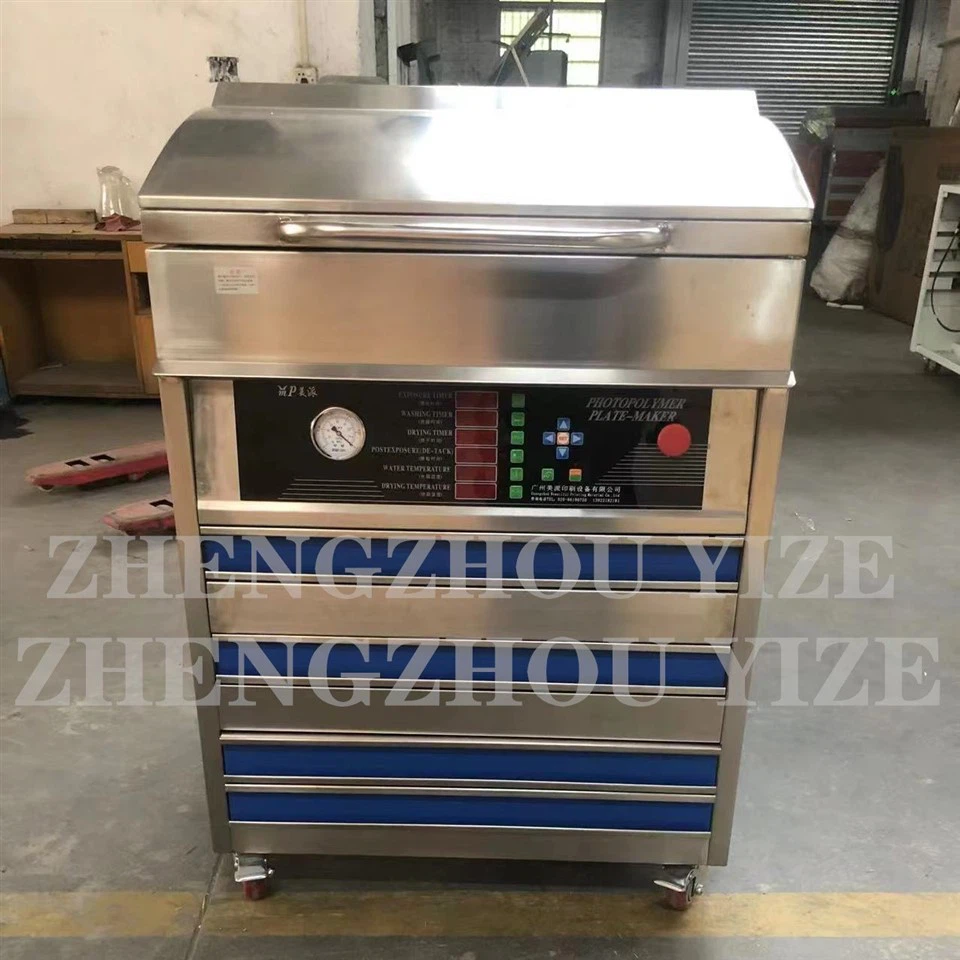
If you're in the market for a new printing machine or need help with the maintenance of your existing equipment, don't hesitate to reach out. We're here to provide you with the best solutions and support. Whether you're looking for a Flexographic Printing Machine or a Plastic Resin Plate Making Machine, we've got you covered. Let's start a conversation and see how we can work together to meet your printing needs.
References
- "Printing Machinery Maintenance Handbook" - A comprehensive guide on maintaining different types of printing machines.
- Industry reports on the cost trends of printing machinery maintenance over the past decade.