

Hey there! As a supplier of printing machinery, I often get asked about the differences between flatbed and roll-to-roll printing machinery. So, I thought I'd take a few minutes to break it down for you.
Let's start with flatbed printing machines. These bad boys are pretty straightforward. They've got a flat surface where you place your material for printing. It's like having a big, stable table that holds your stuff in place while the printer does its thing. This setup is super versatile because you can print on all sorts of materials, whether they're thick or thin, rigid or a little bit flexible. You could be printing on wood, metal, glass, or even something as delicate as a piece of fabric.
One of the biggest advantages of flatbed printers is their ability to handle irregularly shaped items. Say you've got a custom-made phone case with a funky design or a unique-shaped promotional item. With a flatbed printer, you can lay it down on the bed and print directly on it without any hassle. It's like having a magic wand for printing on all those one-of-a-kind things.
Another cool thing about flatbed printers is the level of detail they can achieve. Since the material is stationary during the printing process, the printer can take its time and lay down precise layers of ink. This results in high-resolution prints with sharp colors and fine details. If you're in the business of creating high-end graphics or detailed artwork, a flatbed printer is going to be your best friend.
However, flatbed printers do have their limitations. For starters, they're not the best option for printing on large quantities of materials. The process of loading and unloading each item can be time-consuming, which means your production speed might take a hit. Also, because the printing area is fixed, you're limited by the size of the flatbed. If you need to print on something bigger than the bed, you're out of luck.
Now, let's talk about roll-to-roll printing machines. These machines are designed to handle continuous rolls of material, like paper, vinyl, or fabric. The material is fed through the printer in a continuous motion, which makes them ideal for high-volume printing jobs. If you're printing banners, decals, or large-format posters, a roll-to-roll printer is going to be your go-to.
One of the main advantages of roll-to-roll printers is their speed. Since the material is constantly moving through the printer, you can churn out prints much faster than with a flatbed printer. This makes them a great choice for businesses that need to meet tight deadlines or produce large quantities of prints on a regular basis.
Another benefit of roll-to-roll printers is their ability to print on long, continuous sheets of material. This is perfect for creating seamless graphics or prints that need to span a large area. You can print on rolls that are several meters long without having to worry about seams or breaks in the design.

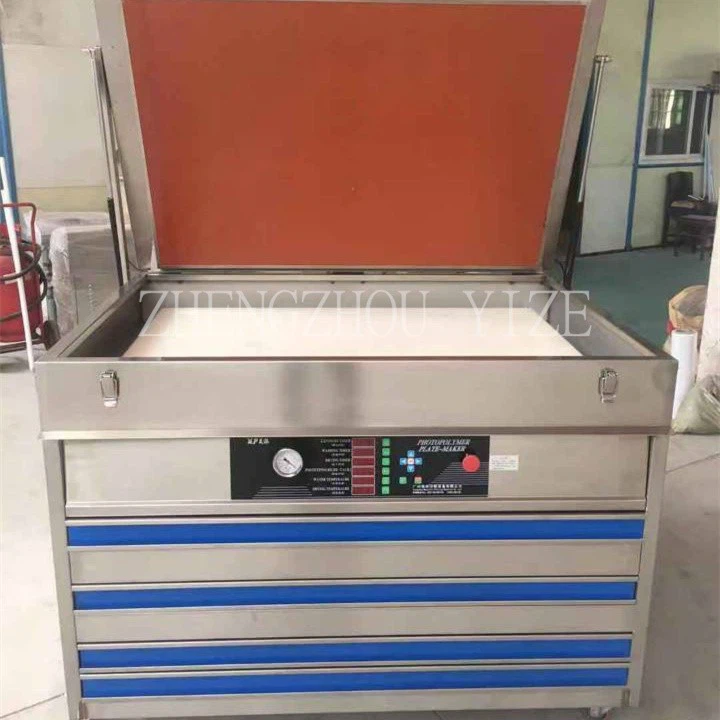
But, like flatbed printers, roll-to-roll printers also have their drawbacks. One of the biggest challenges is dealing with material handling. Since the material is in a roll, it can be prone to wrinkling or misalignment during the printing process. This can result in uneven prints or wasted material. Additionally, roll-to-roll printers are not as versatile as flatbed printers when it comes to printing on different types of materials. They're mainly designed for flexible materials that can be rolled, so if you need to print on something rigid, you'll have to look elsewhere.
So, how do you decide which type of printer is right for you? Well, it all comes down to your specific needs and requirements. If you're in the business of creating high-end, one-of-a-kind prints on a variety of materials, a flatbed printer is probably the way to go. On the other hand, if you need to produce large quantities of prints quickly and efficiently, a roll-to-roll printer is going to be your best bet.
As a printing machinery supplier, I've seen firsthand the impact that the right printer can have on a business. That's why I'm here to help you make an informed decision. Whether you're a small startup or a large corporation, I can work with you to find the perfect printing solution for your needs.
If you're interested in learning more about our Flexographic Printing Machine or Plastic Resin Plate Making Machine, or if you have any questions about flatbed or roll-to-roll printing machines, don't hesitate to reach out. I'm always happy to have a chat and help you find the right equipment for your business.
In conclusion, both flatbed and roll-to-roll printing machines have their own unique advantages and disadvantages. By understanding the differences between the two, you can make an informed decision and choose the printer that's going to help you take your business to the next level. So, what are you waiting for? Get in touch today and let's start printing!
References
- Printing Industry Handbook: A comprehensive guide to the printing industry, including information on different types of printing machinery.
- Printing Technology Magazine: Regularly features articles on the latest advancements in printing technology, including flatbed and roll-to-roll printers.