

Hey there! As a supplier of feed processing machines, I often get asked about the weight of these machines. It's an important factor, especially when it comes to transportation, installation, and overall stability. So, let's dive into what affects the weight of a feed processing machine and why it matters.
Why Weight Matters
First off, why should you care about the weight of a feed processing machine? Well, if you're planning to transport it, a heavier machine might require special equipment or a larger vehicle. This can add to your transportation costs. Also, when it comes to installation, a heavier machine might need a more robust foundation to ensure it's stable during operation.
Another aspect is the durability and build quality. Generally, a heavier machine might be made of more substantial materials, which could mean better durability and a longer lifespan. But that's not always the case, so we'll need to look at other factors too.
Factors Affecting the Weight
Machine Type
Different types of feed processing machines have different weights. For example, an Animal Feed Pellet Machine is designed to turn raw feed materials into pellets. These machines can vary in weight depending on their size and capacity. Smaller home - use models might weigh around 100 - 200 kilograms, while large - scale industrial ones can tip the scales at several tons.
The Floating Fish Feed Pellet Machine is another type. These machines are often more complex as they need to create pellets that float. They usually have additional components for things like puffing and shaping, which can make them heavier compared to regular animal feed pellet machines.
Then there's the Four Blades Chaff Cutter. This machine is used to cut hay and other roughage into smaller pieces. It's generally lighter than pellet machines because it has a simpler design and fewer components. A typical four - blades chaff cutter might weigh between 50 - 150 kilograms, depending on its size and build.
Size and Capacity
The size of the machine is a major factor in determining its weight. Larger machines with higher production capacities usually weigh more. For instance, if you need a feed processing machine that can produce a large amount of feed per hour, it will likely have bigger motors, larger hoppers, and more robust frames. All these components add to the overall weight.
Let's say you have a small farm with just a few animals. You might opt for a small - capacity feed processing machine. These are usually more lightweight and easier to handle. On the other hand, if you're running a large - scale commercial feed production facility, you'll need a heavy - duty machine that can handle high - volume production.
Materials Used
The materials used in the construction of the machine also play a big role in its weight. Machines made of high - quality steel or cast iron will be heavier than those made of lighter materials like aluminum or plastic. Steel and cast iron are preferred for their strength and durability, but they do add to the weight.
Some machines might use a combination of materials to strike a balance between weight and strength. For example, they might use a steel frame for stability and lighter plastic or aluminum components for non - critical parts.
Weight and Performance
You might be wondering if the weight of a feed processing machine has any impact on its performance. Well, in some cases, it does. A heavier machine can be more stable during operation. This is especially important for machines that have high - speed rotating parts, like pellet machines. A stable machine is less likely to vibrate or move around, which can lead to more consistent and efficient production.
However, weight isn't the only factor that affects performance. The design of the machine, the quality of its components, and the power of its motor also play crucial roles. A well - designed lightweight machine can perform just as well as a heavier one, as long as it's built with high - quality parts and a good engineering design.
Handling and Installation
When it comes to handling and installing a feed processing machine, the weight is a key consideration. If you're installing a heavy machine, you'll need to make sure you have the right equipment and enough manpower. You might need a forklift or a crane to move the machine into place.
Also, the location where you plan to install the machine matters. If it's on an upper floor or in a confined space, you'll need to take extra precautions. You might need to reinforce the floor to support the weight of the machine.
Making the Right Choice
So, how do you choose the right feed processing machine based on its weight? First, think about your specific needs. If you have limited space and a small budget, a lightweight machine might be the way to go. It will be easier to handle and install, and it won't cost as much to transport.

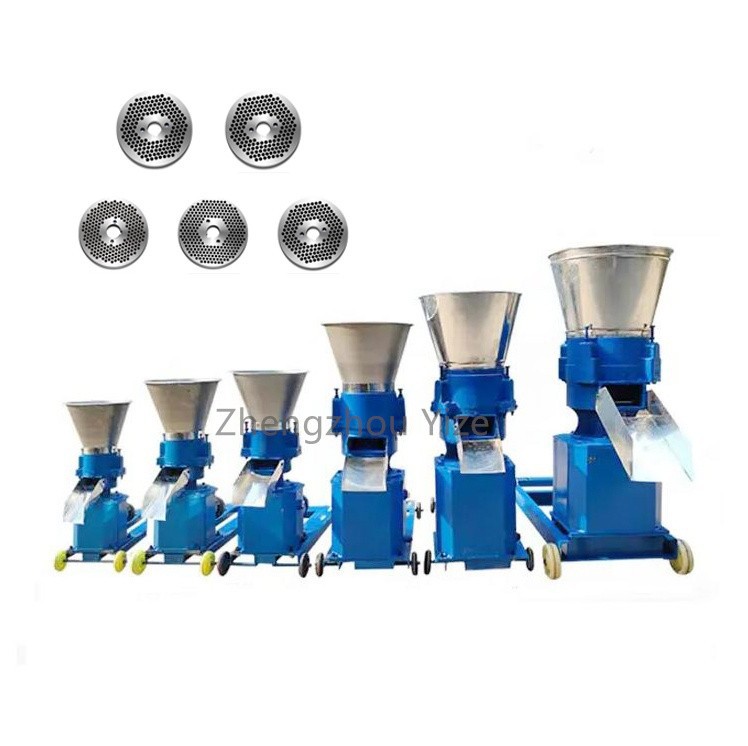
On the other hand, if you need a machine for high - volume production and you have the space and resources, a heavier, more robust machine might be a better choice. It will likely be more durable and stable, which can lead to better long - term performance.
Let's Talk
If you're still not sure which feed processing machine is right for you, or if you have any questions about the weight and other features, I'm here to help. Whether you're a small - scale farmer or a large - scale feed producer, we have a wide range of machines to meet your needs.
Don't hesitate to reach out and start a conversation. We can discuss your requirements in detail and help you find the perfect feed processing machine for your operation. Let's work together to get your feed production up and running smoothly!
References
- General knowledge in the field of feed processing machinery
- Industry reports on feed processing equipment specifications