

In the dynamic landscape of modern agriculture, technological advancements have revolutionized the way shelling operations are conducted. As a dedicated shellers supplier, I've witnessed firsthand how these innovations have not only increased efficiency but also improved the quality of shelled products. In this blog, we'll explore some of the key technological advancements that are helping shellers around the world.
Automation and Robotics
One of the most significant technological advancements in the shelling industry is the integration of automation and robotics. Automated shelling machines have replaced manual labor in many large - scale operations, leading to increased productivity and reduced labor costs. These machines are designed to handle a wide variety of crops, from grains to nuts.
For instance, the Rice And Wheat Thresher Machine is a prime example of automation in action. This machine can efficiently separate the grains from the husks, with high precision and speed. It uses advanced sensors and control systems to adjust the threshing process according to the type and condition of the crop. This not only ensures a high - quality output but also minimizes grain loss.
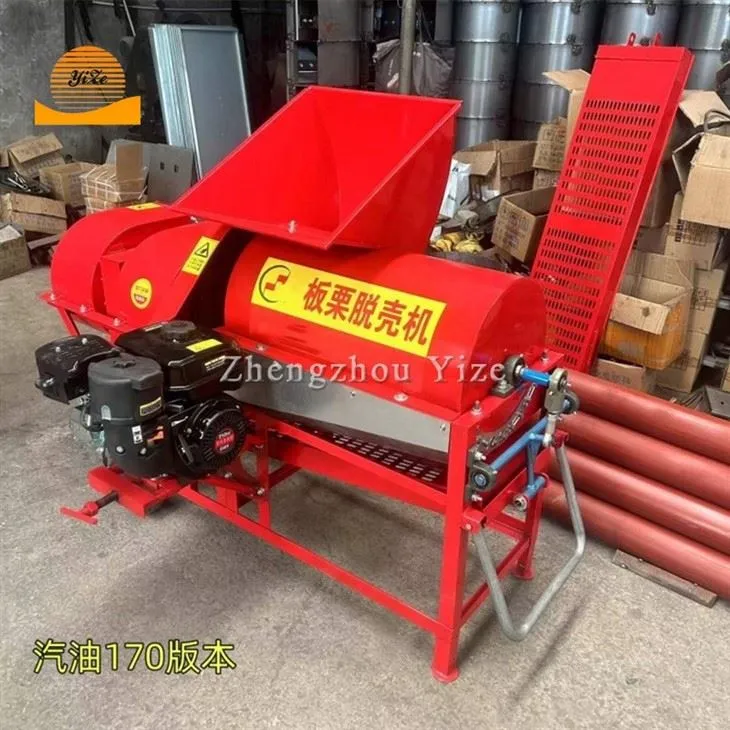

Robotic systems are also being increasingly used in shelling operations. These robots can perform tasks such as sorting, grading, and packaging with great accuracy. They can work continuously without getting tired, which is a huge advantage in large - scale shelling facilities. By automating these processes, shellers can focus on other aspects of their business, such as quality control and market expansion.
Advanced Sensor Technology
Sensor technology has played a crucial role in improving the efficiency and quality of shelling operations. Modern shelling machines are equipped with a variety of sensors that can detect the moisture content, size, and density of the crops. This information is then used to optimize the shelling process.
For example, in the case of chestnut shelling, the Chestnut Burring Machine uses sensors to detect the size and hardness of the chestnuts. Based on this information, the machine can adjust the burring process to ensure that the outer shell is removed without damaging the nut inside. This results in a higher yield of intact chestnuts and reduces waste.
Similarly, sensors can also be used to monitor the performance of the shelling machines. They can detect any malfunctions or deviations from the normal operating parameters, allowing for timely maintenance and repairs. This helps to minimize downtime and ensure the continuous operation of the shelling facility.
Improved Design and Material
The design and materials used in shelling machines have also seen significant improvements over the years. Manufacturers are now using high - strength and corrosion - resistant materials to build the machines, which increases their durability and lifespan.
In addition, the design of the machines has been optimized to improve the shelling efficiency. For example, the Chestnut Shelling Machine has a unique design that allows for a more efficient separation of the shell from the nut. The machine uses a combination of mechanical and pneumatic forces to crack the shell and remove it, resulting in a higher quality product.
The improved design also takes into account the ease of operation and maintenance. Modern shelling machines are designed to be user - friendly, with simple controls and easy - to - access components. This makes it easier for operators to use and maintain the machines, reducing the need for specialized training.
Data Analytics and Connectivity
The integration of data analytics and connectivity in shelling operations is another important technological advancement. Shelling machines can now be connected to a network, allowing for real - time monitoring and data collection.
Data analytics can be used to analyze the performance of the shelling machines, identify trends, and make informed decisions. For example, by analyzing the data on the shelling efficiency, operators can identify areas for improvement and optimize the process. They can also use the data to predict maintenance needs and schedule preventive maintenance, which helps to reduce downtime and increase the overall productivity of the shelling facility.
Connectivity also enables remote monitoring and control of the shelling machines. Operators can monitor the machines from anywhere in the world using a smartphone or a computer. This allows for quick response to any issues that may arise, ensuring the smooth operation of the shelling facility.
Impact on Shellers
These technological advancements have had a profound impact on shellers. Firstly, they have increased the productivity of shelling operations. With automated machines and advanced sensor technology, shellers can process a larger volume of crops in a shorter period of time. This not only increases the revenue but also allows shellers to meet the growing demand for shelled products.
Secondly, the quality of the shelled products has improved significantly. The use of advanced sensors and optimized machine design ensures that the shelling process is more precise, resulting in a higher - quality output. This makes the products more competitive in the market and can lead to higher prices.
Thirdly, the technological advancements have reduced the labor requirements in shelling operations. Automated machines and robots can perform tasks that were previously done by hand, reducing the need for manual labor. This not only saves on labor costs but also reduces the risk of injuries and fatigue among workers.
Future Outlook
The future of shelling technology looks promising. We can expect to see further advancements in automation, sensor technology, and data analytics. For example, the use of artificial intelligence and machine learning in shelling machines could lead to even more efficient and intelligent shelling processes.
In addition, there is a growing trend towards the development of more sustainable shelling technologies. Manufacturers are exploring the use of renewable energy sources and eco - friendly materials in the design and operation of shelling machines. This will not only reduce the environmental impact of shelling operations but also meet the increasing demand for sustainable products.
Contact for Purchase and Collaboration
If you're interested in upgrading your shelling operations with the latest technological advancements, we're here to help. As a leading shellers supplier, we offer a wide range of high - quality shelling machines, including the Rice And Wheat Thresher Machine, Chestnut Burring Machine, and Chestnut Shelling Machine. Our team of experts can provide you with detailed information about our products and help you choose the right solution for your specific needs.
Don't hesitate to reach out to us to start a discussion about your shelling requirements. We're committed to providing you with the best products and services to help you achieve your business goals.
References
- Smith, J. (2020). Technological Advancements in Agricultural Shelling. Journal of Agricultural Technology, 15(2), 45 - 56.
- Johnson, A. (2021). The Impact of Automation on Shelling Operations. Agricultural Innovation Review, 22(3), 78 - 89.
- Brown, C. (2022). Sensor Technology in Shelling Machines: A Review. International Journal of Agricultural Engineering, 30(1), 12 - 25.