

Hey there! As a supplier of printing machinery, I've seen firsthand how crucial each component is in making the whole system work like a well - oiled machine. Today, I want to talk about one of those unsung heroes in the printing world: the paper feeder.
Let's start by understanding what a paper feeder actually is. In simple terms, it's the part of the printing machinery that takes paper from a stack and feeds it into the printing unit at the right time and in the right position. Sounds easy, right? Well, it's a bit more complicated than that.
The Basics of Paper Feeding
The primary role of the paper feeder is to ensure a smooth and continuous supply of paper to the printing process. Imagine a high - speed printing press churning out hundreds of pages per minute. Without a reliable paper feeder, the whole operation would come to a grinding halt.
There are different types of paper feeders, and each has its own way of handling paper. One common type is the friction feeder. This type uses a series of rollers and belts that grip the paper and pull it forward. The friction between the rollers and the paper is carefully calibrated to ensure that only one sheet is fed at a time. It's like a well - choreographed dance, where each movement is precise and timed perfectly.
Another type is the suction feeder. As the name suggests, it uses suction cups to pick up individual sheets of paper from the stack. This method is great for handling delicate or lightweight papers that might be difficult to grip with friction. Suction feeders are often used in applications where precision is key, like in high - end printing jobs.
Ensuring Accuracy and Precision
Accuracy is everything in printing. A misaligned or wrinkled sheet of paper can ruin an entire print job. The paper feeder plays a vital role in maintaining the accuracy of the printing process. It ensures that the paper is fed straight and at the correct angle into the printing unit.
Most modern paper feeders are equipped with sensors and guides that help in achieving this accuracy. These sensors can detect if the paper is misaligned or if there are any jams. If a problem is detected, the feeder can automatically adjust its operation or stop the process to prevent further damage.
For example, if a sheet of paper is slightly off - center when it enters the feeder, the sensors can detect this and adjust the position of the paper using small mechanical arms or rollers. This ensures that the printed image is perfectly centered on the page, every time.
Compatibility with Different Paper Types
Printing machinery needs to be able to handle a wide variety of paper types, from thin newsprint to thick cardstock. The paper feeder has to be flexible enough to accommodate these different materials.
When dealing with different paper types, the feeder may need to adjust its settings. For thin papers, it might need to use a lighter touch to prevent tearing. On the other hand, thick papers may require more force to be fed properly.
Our Plastic Resin Plate Making Machine and Flexographic Printing Machine are designed to work seamlessly with a range of paper feeders that can handle various paper types. This allows our customers to have more flexibility in their printing operations.
Increasing Productivity
In the printing business, time is money. A fast and efficient paper feeder can significantly increase the productivity of a printing press. By reducing the time between each sheet of paper being fed, the press can print more pages in a shorter period.

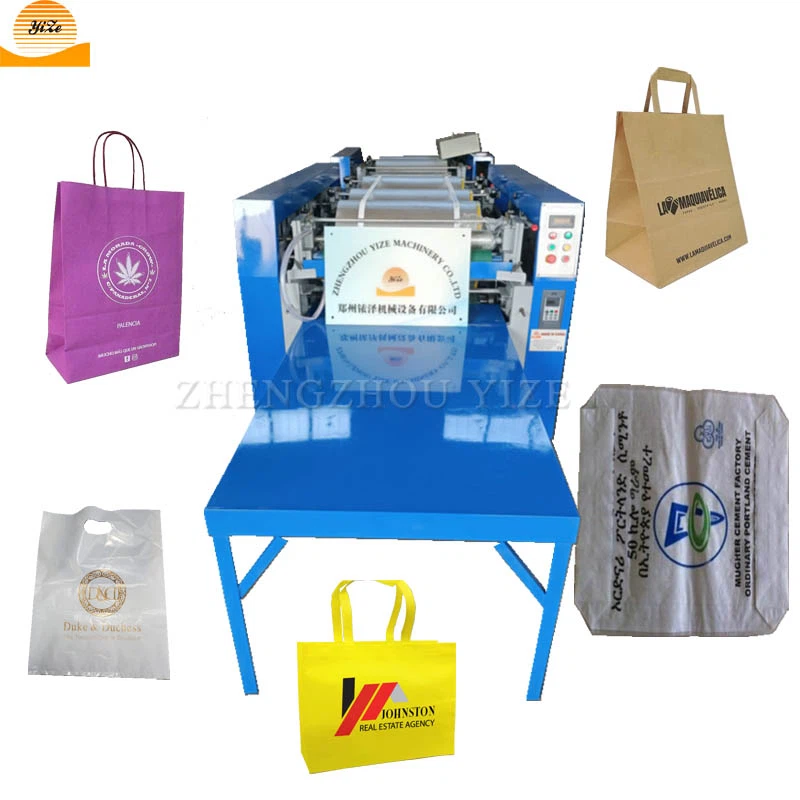
Modern paper feeders are designed to operate at high speeds without sacrificing accuracy. Some can feed hundreds of sheets per minute, which is a huge boost to productivity. For example, in a large - scale commercial printing operation, a high - speed paper feeder can mean the difference between meeting a tight deadline and losing a client.
Reducing Downtime
Downtime is the enemy of any printing business. Paper jams are one of the most common causes of downtime in printing machinery. The paper feeder can help reduce the occurrence of jams by carefully handling the paper and ensuring that it is fed smoothly.
Many paper feeders are designed with anti - jam features. For instance, they may have self - cleaning mechanisms that remove any debris or dust that could cause a jam. Some also have sensors that can detect when a jam is about to occur and take preventive action.
If a jam does occur, a good paper feeder will make it easier to clear. It may have accessible parts that can be easily opened to remove the stuck paper. This reduces the time it takes to get the printing press up and running again.
Integration with the Printing Process
The paper feeder doesn't work in isolation. It needs to be integrated with the rest of the printing machinery to ensure a seamless printing process. It communicates with the printing unit to determine the right time to feed the paper.
For example, in a multi - color printing job, the paper feeder needs to coordinate with the printing unit to ensure that the paper is fed at the right time for each color pass. This requires a high level of synchronization between the different components of the printing machinery.
Conclusion
As you can see, the paper feeder is a crucial component in printing machinery. It plays a vital role in ensuring accuracy, handling different paper types, increasing productivity, reducing downtime, and integrating with the rest of the printing process.
If you're in the market for printing machinery and are looking for reliable and efficient paper feeders, we're here to help. We've been in the business for a long time, and we know what it takes to provide high - quality printing solutions. Whether you're a small - scale printer or a large - scale commercial operation, we have the right equipment for you.
Don't hesitate to reach out if you have any questions or if you're interested in discussing your printing needs. We're always happy to have a chat and see how we can help you take your printing business to the next level.
References
- Smith, J. (2020). Printing Machinery: A Comprehensive Guide. Printing Press Publications.
- Johnson, A. (2019). The Role of Paper Feeders in Modern Printing. Journal of Printing Technology.