

Hey there! As a printing machinery supplier, I often get asked about the differences between direct - to - garment (DTG) and traditional textile printing machinery. It's a topic that's super important for anyone in the printing business, whether you're a small - scale custom printer or a large textile manufacturer. So, let's dive right in and break down these two types of printing methods.
Direct - to - Garment Printing Machinery
DTG printing is like the new kid on the block in the textile printing world. It's a digital printing method that directly applies ink onto the fabric of a garment. This technology uses a specialized printer, similar to an inkjet printer but designed specifically for clothing.
One of the biggest advantages of DTG is its flexibility. You can print highly detailed and complex designs with ease. Whether it's a photo - realistic image or a multi - colored graphic, DTG can handle it. This is because it doesn't rely on screens or plates like traditional methods, so there's no limit to the number of colors you can use in a design.
Another plus is the short setup time. With DTG, you don't have to go through the lengthy process of making screens or plates. You simply load your design into the printer, position the garment, and hit print. This makes it ideal for small - batch orders or custom one - off prints. For example, if you're a local artist who wants to sell limited - edition printed t - shirts, DTG is a great option.
However, DTG also has its drawbacks. The printing speed is relatively slow compared to traditional methods. Each garment has to be printed one at a time, which can be a bottleneck if you have a large order. Also, the cost of ink for DTG printers can be quite high, especially if you're using a lot of colors. And the durability of the print might not be as good as some traditional methods, especially when it comes to heavy - duty use or frequent washing.
Traditional Textile Printing Machinery
Traditional textile printing methods have been around for ages. There are several types, including screen printing, rotary screen printing, and Flexographic Printing Machine.
Screen printing is one of the most common traditional methods. It involves creating a stencil (the screen) for each color in the design. Ink is then forced through the screen onto the fabric. Screen printing is known for its durability. The ink sits on top of the fabric, creating a thick, opaque layer that can withstand a lot of wear and tear. It's also relatively fast for large - scale production. Once the screens are set up, you can print multiple garments quickly.
Rotary screen printing is a more advanced form of screen printing. It uses rotating cylindrical screens to print the design. This method is even faster than traditional flat - bed screen printing and is often used for high - volume production of fabrics, such as those used in the fashion industry.
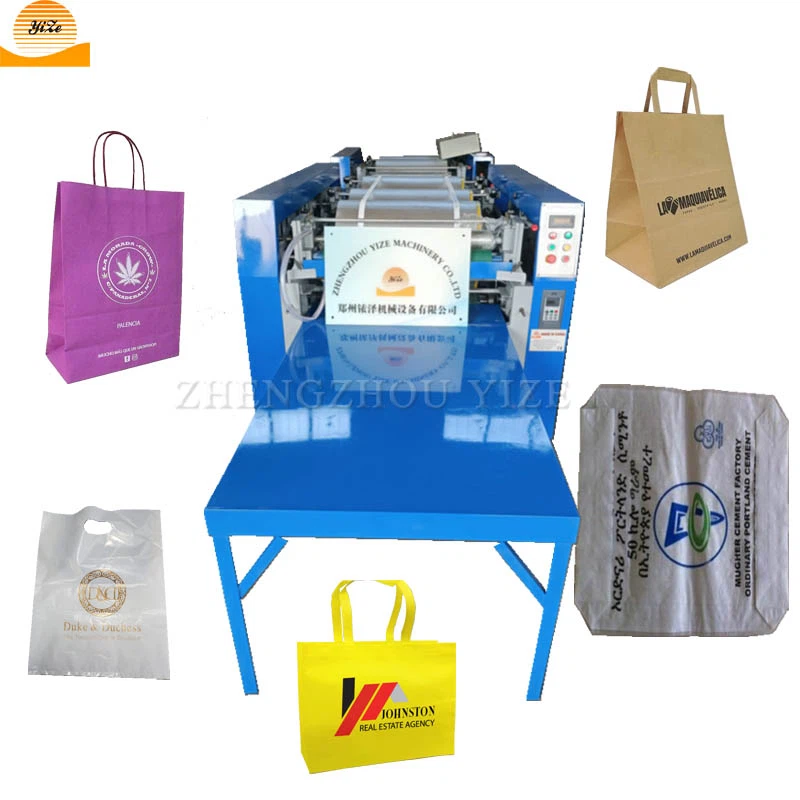
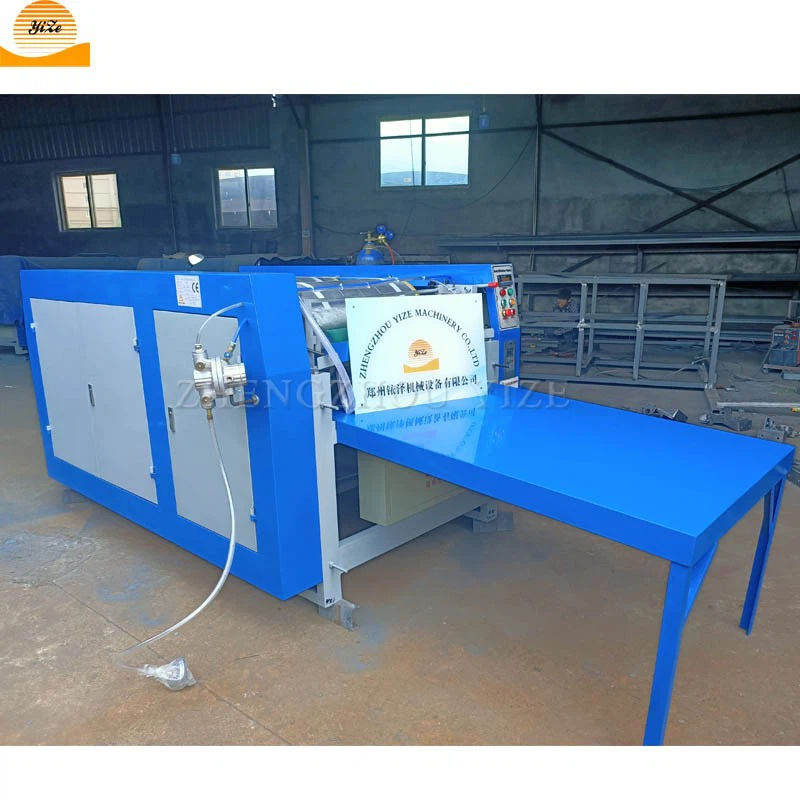
Flexographic printing, on the other hand, uses a flexible relief plate to transfer ink onto the fabric. It's a versatile method that can be used for printing on a variety of materials, including paper, plastic, and fabric. Plastic Resin Plate Making Machine is often used in the process of making the plates for flexographic printing.
But traditional methods also have their limitations. The setup process can be time - consuming and expensive, especially for complex designs with many colors. You have to create a separate screen or plate for each color, which adds to the cost and time. And making changes to the design once the screens or plates are made can be difficult and costly.
Comparing the Two
When it comes to quality, both DTG and traditional methods can produce excellent results, but in different ways. DTG offers high - resolution, detailed prints, while traditional methods can create more durable, opaque prints.
In terms of cost - effectiveness, it depends on the volume of your orders. For small - batch or custom orders, DTG is usually more cost - effective because of the lower setup costs. But for large - scale production, traditional methods are often more economical due to their faster printing speed and lower ink costs per unit.
The production speed is a significant factor. Traditional methods win hands - down for large - volume orders. They can print dozens or even hundreds of garments in the time it takes a DTG printer to print just a few. But if you're dealing with small quantities, the short setup time of DTG can make it a faster option overall.
Which One Should You Choose?
The choice between DTG and traditional textile printing machinery depends on your specific needs. If you're a startup or a small business that focuses on custom prints, limited - edition designs, or small - batch orders, DTG might be the way to go. It allows you to offer unique products with minimal upfront investment.
On the other hand, if you're an established textile manufacturer with high - volume orders and a need for durable prints, traditional methods are probably more suitable. You can take advantage of their speed and cost - effectiveness for large - scale production.
Conclusion
So, there you have it - the differences between direct - to - garment and traditional textile printing machinery. As a printing machinery supplier, I've seen firsthand how each method has its own strengths and weaknesses. Whether you're new to the printing industry or looking to upgrade your equipment, understanding these differences is crucial for making the right choice.
If you're still unsure which type of printing machinery is best for your business, or if you're interested in learning more about our products, feel free to reach out. We're here to help you make an informed decision and find the perfect printing solution for your needs. Let's start a conversation and see how we can work together to take your printing business to the next level.
References
- "Textile Printing Technology" by some textile experts
- Industry reports on modern printing machinery