

Embarking on the journey of quilting is an exciting endeavor that combines creativity, craftsmanship, and a touch of nostalgia. As a beginner, selecting the right quilting machinery is crucial to ensure a smooth and enjoyable experience. At our company, we understand the challenges faced by novice quilters and are dedicated to providing high-quality solutions tailored to your needs. In this blog post, we'll explore the best quilting machinery options for beginners, highlighting their features, benefits, and how they can help you bring your quilting dreams to life.
Understanding the Basics of Quilting Machinery
Before diving into the specific types of quilting machines, it's essential to understand the basic components and functions of quilting machinery. Quilting involves stitching together three layers: a top layer of fabric, a middle layer of batting, and a bottom layer of backing fabric. The quilting machine is responsible for creating the decorative stitches that hold these layers together and add texture and visual interest to the quilt.
There are several types of quilting machines available on the market, each with its own unique features and capabilities. Some of the most common types include sewing quilting machines, multi-needle quilting machines, and single needle continuous quilting machines. Let's take a closer look at each of these options and how they can benefit beginner quilters.
Sewing Quilting Machine
A Sewing Quilting Machine is a versatile and user-friendly option for beginners. These machines combine the functionality of a traditional sewing machine with the ability to create decorative quilting stitches. They are typically smaller and more affordable than other types of quilting machines, making them a great choice for those on a budget or with limited space.
One of the key advantages of a sewing quilting machine is its ease of use. Most models come with a variety of built-in stitches and patterns, allowing you to experiment with different designs and techniques. They also offer adjustable stitch length and width, giving you greater control over the appearance of your quilting stitches. Additionally, many sewing quilting machines are equipped with features such as automatic thread cutting, needle up/down function, and free-motion quilting capabilities, making them even more versatile and convenient to use.
Another benefit of a sewing quilting machine is its portability. These machines are lightweight and easy to transport, allowing you to take your quilting projects with you wherever you go. Whether you're attending a quilting class, visiting a friend, or simply working on your quilt in a different room of your house, a sewing quilting machine makes it easy to stay productive and creative.
Multi-Needle Quilting Machine
If you're looking for a machine that can handle larger quilting projects and create more complex designs, a Multi-Needle Quilting Machine may be the right choice for you. These machines are equipped with multiple needles that stitch simultaneously, allowing you to create multiple rows of stitches at once. This significantly reduces the time and effort required to quilt a large project, making them a popular choice among professional quilters and those who want to increase their productivity.
One of the main advantages of a multi-needle quilting machine is its speed and efficiency. With multiple needles working together, you can complete a quilt in a fraction of the time it would take using a single needle machine. This is especially beneficial if you're working on a tight deadline or have a large number of quilts to complete.
In addition to their speed, multi-needle quilting machines also offer a wide range of stitch patterns and designs. Many models come with pre-programmed patterns that you can choose from, or you can create your own custom designs using the machine's built-in software. This allows you to add a unique and personal touch to your quilts, making them truly one-of-a-kind.
However, it's important to note that multi-needle quilting machines are typically more expensive and require more space than sewing quilting machines. They also have a steeper learning curve, as they require more advanced skills and knowledge to operate. If you're a beginner, it may be a good idea to start with a sewing quilting machine and gradually work your way up to a multi-needle machine as you gain more experience and confidence.
Single Needle Continuous Quilting Machine
A Single Needle Continuous Quilting Machine is a specialized machine designed for continuous quilting. These machines are ideal for creating long, straight stitches and are commonly used in industrial settings or for large-scale quilting projects.
One of the main advantages of a single needle continuous quilting machine is its precision and accuracy. These machines are equipped with advanced technology that ensures consistent stitch length and tension, resulting in professional-looking quilts with minimal errors. They also offer a high level of control, allowing you to adjust the speed and stitch density to suit your specific needs.
Another benefit of a single needle continuous quilting machine is its durability and reliability. These machines are built to withstand heavy use and are designed to last for many years. They are also relatively easy to maintain, requiring only basic cleaning and lubrication to keep them in good working condition.
However, like multi-needle quilting machines, single needle continuous quilting machines are typically more expensive and require more space than sewing quilting machines. They also have a more limited range of stitch patterns and designs, as they are primarily designed for straight-line quilting. If you're a beginner who wants to experiment with different types of stitches and designs, a sewing quilting machine may be a better choice for you.
Choosing the Right Quilting Machine for You
When choosing a quilting machine, it's important to consider your individual needs, skills, and budget. Here are some factors to keep in mind:
- Skill Level: If you're a beginner, it's a good idea to start with a machine that is easy to use and has a variety of built-in stitches and patterns. As you gain more experience and confidence, you can gradually upgrade to a more advanced machine.
- Budget: Quilting machines can range in price from a few hundred dollars to several thousand dollars. It's important to set a budget and choose a machine that fits within your price range. Keep in mind that more expensive machines often come with more features and capabilities, but you don't necessarily need to spend a lot of money to get a good quality machine.
- Space: Quilting machines come in a variety of sizes, so it's important to choose a machine that will fit in the space you have available. If you have limited space, a sewing quilting machine may be a better choice for you, as they are typically smaller and more portable.
- Project Type: Consider the type of quilting projects you want to work on. If you're planning to create small, simple quilts, a sewing quilting machine may be sufficient. However, if you're planning to work on larger, more complex projects, a multi-needle or single needle continuous quilting machine may be a better choice.
Conclusion
Choosing the right quilting machine is an important decision that can have a significant impact on your quilting experience. By considering your individual needs, skills, and budget, you can select a machine that will help you achieve your quilting goals and bring your creative vision to life.
At our company, we offer a wide range of high-quality quilting machines to suit the needs of beginner and experienced quilters alike. Whether you're looking for a sewing quilting machine, a multi-needle quilting machine, or a single needle continuous quilting machine, we have the perfect solution for you.

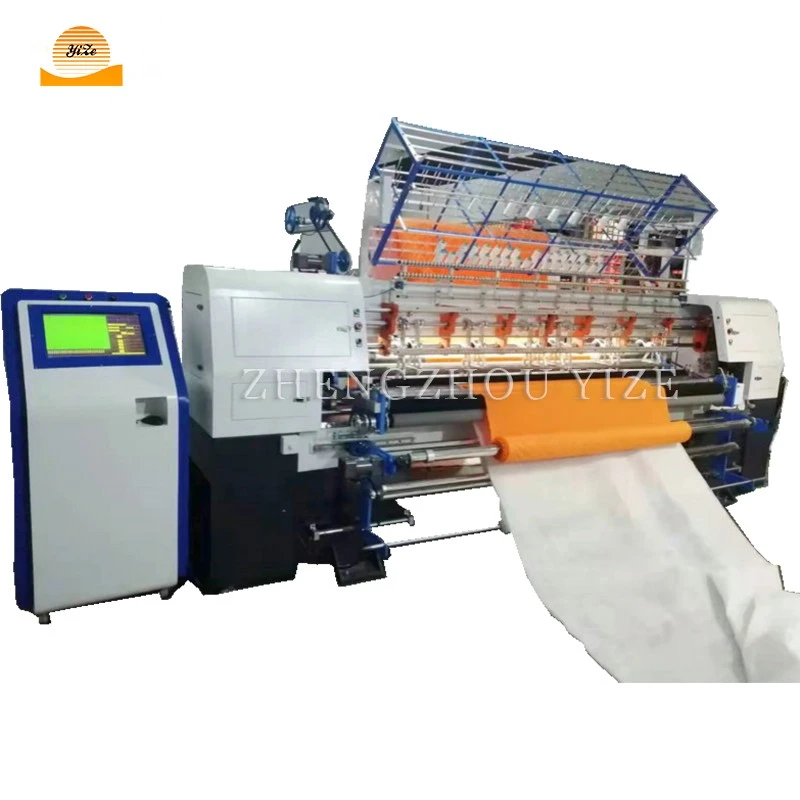
If you're interested in learning more about our quilting machines or have any questions, please don't hesitate to contact us. Our team of experts is here to help you choose the right machine for your needs and provide you with the support and guidance you need to get started on your quilting journey.
References
- "Quilting Basics: A Beginner's Guide." Quilting Magazine, [Publication Date].
- "Choosing the Right Quilting Machine." The Spruce Crafts, [Publication Date].
- "Types of Quilting Machines." AllAboutSewing.com, [Publication Date].