

Hey there! As a supplier of feed processing machines, I've seen firsthand how crucial the working environment is for these pieces of equipment. In this blog, I'll share with you the key requirements for the working environment of a feed processing machine.

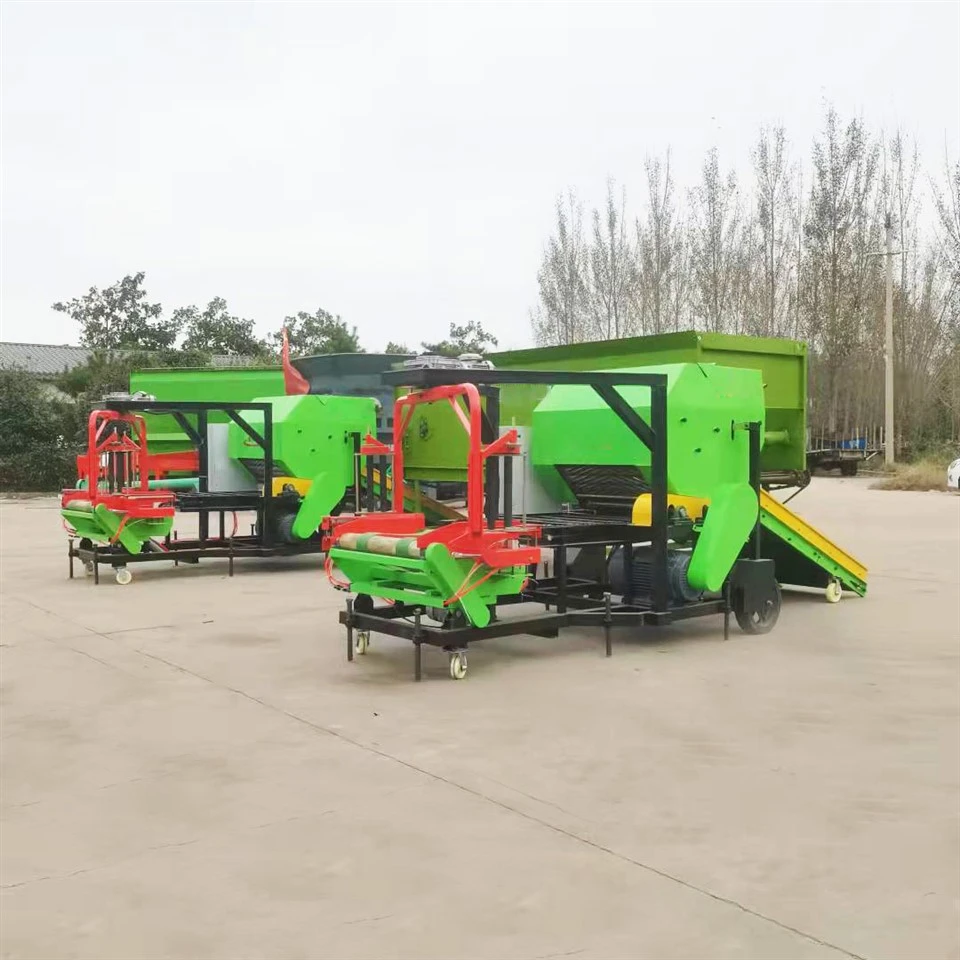
1. Space Requirements
First off, let's talk about space. Feed processing machines come in all shapes and sizes, from small-scale ones to large industrial setups. For small-scale machines like the Small-scale Mixing And Pelletizing Production Line, you'll need a relatively compact area. But even so, you should ensure there's enough room for operators to move around safely and perform maintenance tasks.
A general rule of thumb is to leave at least a meter of clearance around the machine. This allows for easy access to all parts of the machine, including the control panels, hoppers, and discharge chutes. If you're dealing with larger machines, the space requirements will be significantly higher. You need to consider not only the footprint of the machine itself but also the space needed for material handling, such as conveyor belts and storage areas for raw materials and finished products.
2. Ventilation
Ventilation is another critical factor. Feed processing involves a lot of dust and fumes. If the working environment isn't well-ventilated, these particles can accumulate, posing a health risk to operators and potentially causing damage to the machine.
Good ventilation helps to remove dust and fumes from the air, keeping the working environment clean and safe. You can install exhaust fans or ventilation systems that are specifically designed for industrial settings. These systems should be able to handle the volume of dust and fumes generated by the feed processing machine.
For example, if you're using a machine that involves grinding or mixing, a lot of fine dust will be produced. Without proper ventilation, this dust can settle on the machine's components, leading to wear and tear over time. It can also cause respiratory problems for the operators. So, make sure your ventilation system is up to the task.
3. Temperature and Humidity
The temperature and humidity levels in the working environment can have a significant impact on the performance of a feed processing machine. Most feed processing machines are designed to operate within a specific temperature range. Extreme temperatures can cause the machine's components to expand or contract, leading to misalignments and malfunctions.
High humidity can also be a problem. It can cause the feed ingredients to clump together, which can clog the machine's hoppers and pipes. Additionally, humidity can lead to corrosion of the machine's metal parts. On the other hand, low humidity can cause the feed to become too dry and brittle, affecting the quality of the final product.
Ideally, the temperature in the working environment should be kept between 10°C and 30°C (50°F and 86°F), and the relative humidity should be maintained at around 40% - 60%. You can use air conditioning and dehumidifiers to control these conditions if necessary.
4. Flooring
The type of flooring in the working area is important too. It needs to be strong enough to support the weight of the machine and any heavy equipment that might be used in the process. A smooth and level floor is essential to ensure the stability of the machine.
Concrete floors are a popular choice for feed processing facilities because they are durable and easy to clean. However, if the floor is too slippery, it can pose a safety hazard for the operators. You can use anti-slip coatings or mats to improve the safety of the floor.
Also, make sure the floor has proper drainage. In case of spills or cleaning, the water needs to be able to drain away quickly to prevent the accumulation of moisture, which can lead to corrosion and other problems.
5. Electrical Supply
A stable electrical supply is vital for the operation of a feed processing machine. Most machines require a specific voltage and frequency to function properly. Before installing the machine, you need to ensure that your electrical system can meet these requirements.
It's also important to have proper electrical grounding. This helps to protect the machine and the operators from electrical shocks. You should hire a qualified electrician to install and maintain the electrical system for your feed processing machine.
In addition, consider having a backup power supply, such as a generator. Power outages can disrupt the feed processing process and cause damage to the machine. A backup power supply ensures that the machine can continue to operate during short-term power interruptions.
6. Noise Control
Feed processing machines can be quite noisy. Prolonged exposure to high noise levels can cause hearing damage to the operators. Therefore, it's important to take steps to control the noise in the working environment.
You can use soundproofing materials to reduce the noise levels. For example, you can install acoustic panels on the walls and ceilings of the working area. You can also use noise-canceling headphones for the operators.
Some machines are designed with noise-reducing features, such as insulated enclosures. When choosing a feed processing machine, consider these features to minimize the noise impact on the working environment.
7. Safety Measures
Last but not least, safety should always be a top priority. The working environment should be equipped with all the necessary safety measures. This includes safety guards around moving parts of the machine to prevent accidental contact.
Emergency stop buttons should be easily accessible from all areas around the machine. These buttons allow the operators to quickly shut down the machine in case of an emergency.
You should also provide proper training to the operators on how to use the machine safely. This includes training on how to operate the machine, how to perform maintenance tasks, and what to do in case of an emergency.
In conclusion, creating the right working environment for a feed processing machine is essential for its proper operation, the safety of the operators, and the quality of the final product. If you're in the market for a feed processing machine, whether it's a Baling And Dual-Wrapping System or a Silage Baler Model 70, make sure you take these requirements into account.
If you have any questions about our feed processing machines or need advice on creating the perfect working environment, don't hesitate to reach out. We're here to help you make the best decision for your business. Let's start a conversation and see how we can work together to meet your feed processing needs.
References
- Industrial Ventilation: A Manual of Recommended Practice by the American Conference of Governmental Industrial Hygienists
- Occupational Safety and Health Administration (OSHA) guidelines for industrial workplaces
- Manufacturer's manuals for feed processing machines