

Hey there! As a supplier of snack machinery, I've spent years diving deep into the world of snack production. One of the key aspects that often gets overlooked but is super important is the mixing systems in snack machinery. In this blog, I'm gonna break down the different types of mixing systems, how they work, and why they matter in the snack - making process.
First off, let's talk about why mixing is such a big deal. When you're making snacks, you need to combine various ingredients like flour, sugar, salt, flavorings, and sometimes even liquids. A good mixing system ensures that all these ingredients are evenly distributed. This is crucial because it affects the taste, texture, and overall quality of the final product. Uneven mixing can lead to some parts of the snack being too salty, too sweet, or having a different texture than the rest.
Batch Mixing Systems
One of the most common types of mixing systems is the batch mixing system. As the name suggests, it works by mixing a specific amount (a batch) of ingredients at a time. This system is great for small - to medium - scale snack production.

The way it works is pretty straightforward. You load all the ingredients into a mixing chamber. Then, the mixer starts to turn, and the blades or paddles inside the chamber move the ingredients around, breaking up clumps and ensuring they blend together. Once the mixing is complete, the batch is unloaded, and a new batch can be started.
Batch mixing systems offer a lot of flexibility. You can easily change the recipe for each batch, which is perfect if you want to produce different types of snacks. For example, one batch could be for classic potato chips, and the next could be for flavored cheese puffs.
However, there are also some downsides. Batch mixing can be time - consuming, especially if you have a high production demand. You have to wait for each batch to finish mixing, unload it, and then start a new one. This can slow down the overall production process.
Continuous Mixing Systems
On the other hand, continuous mixing systems are designed for large - scale snack production. Instead of mixing ingredients in batches, these systems continuously feed ingredients into the mixer and produce a continuous stream of mixed product.
In a continuous mixing system, ingredients are metered into the mixer at a constant rate. The mixer then blends them as they pass through the chamber. This allows for a much faster production rate compared to batch mixing. You can keep the production line running non - stop, which is ideal for companies that need to produce large quantities of snacks quickly.
The advantage of continuous mixing is its efficiency. It reduces downtime between batches and can handle a high volume of production. But it also has some limitations. Once the system is set up for a particular recipe, it's not as easy to change it as in a batch mixing system. You need to adjust the metering of the ingredients carefully, and any changes can take some time to implement.
Planetary Mixers
Planetary mixers are a type of batch mixer that is widely used in snack production. They get their name because the mixing attachment rotates around the bowl in a planetary motion, similar to how planets orbit the sun.
These mixers usually come with different types of attachments, such as a paddle, a whisk, or a dough hook. The paddle is great for mixing dry ingredients like flour and sugar, while the whisk is used for incorporating air into mixtures, like when making whipped toppings for snacks. The dough hook is ideal for kneading dough, which is essential for making snacks like breadsticks or pretzels.
Planetary mixers are known for their versatility. They can handle a wide range of mixing tasks, from light blending to heavy - duty kneading. They're also relatively easy to use and clean, which makes them a popular choice for small snack shops and bakeries.
Ribbon Mixers
Ribbon mixers are another type of mixer commonly used in the snack industry. They consist of a U - shaped trough with a rotating shaft that has a ribbon - like agitator attached to it.
The ribbon agitator moves the ingredients in two directions simultaneously. The outer ribbon moves the ingredients towards the center of the trough, while the inner ribbon moves them towards the ends. This creates a cross - mixing action that ensures thorough blending of the ingredients.
Ribbon mixers are suitable for mixing dry, free - flowing ingredients, as well as semi - solid materials. They're often used in the production of snack products like granola bars, where you need to mix grains, nuts, and sweeteners evenly.
Fluidized Bed Mixers
Fluidized bed mixers are a bit more specialized. They work by suspending the ingredients in a stream of air, creating a fluid - like state. This allows for very efficient mixing, especially for fine powders and granular materials.
In a fluidized bed mixer, air is blown through a perforated plate at the bottom of the mixing chamber. The ingredients are then lifted and suspended in the air, and the movement of the air causes them to mix. This type of mixer is often used in the production of powdered snacks, like instant soup mixes or flavored seasonings.
Importance of Choosing the Right Mixing System
Choosing the right mixing system for your snack production is crucial. It can have a big impact on the quality of your products, the efficiency of your production process, and your bottom line.
If you're a small - scale producer, a batch mixing system like a planetary mixer might be the best choice. It offers flexibility and is easy to operate. You can experiment with different recipes and produce a variety of snacks without investing in expensive equipment.
For large - scale production, a continuous mixing system or a ribbon mixer might be more suitable. They can handle high volumes of production and ensure consistent quality across large batches.
When considering a mixing system, you also need to think about the type of snacks you're making. For example, if you're making snacks with a lot of liquid ingredients, you might need a mixer that can handle viscous materials well. If you're producing snacks with a lot of particulate matter, like nuts or seeds, you'll need a mixer that can distribute these evenly without damaging them.
Our Snack Machinery Offerings
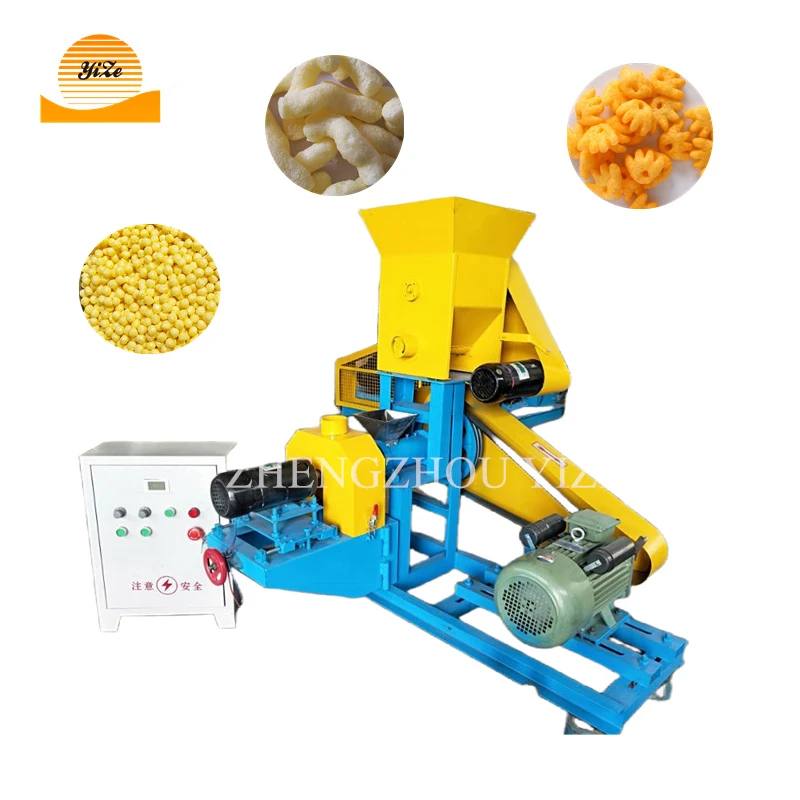
As a snack machinery supplier, we offer a wide range of mixing systems to meet different production needs. We also have other types of snack machinery that can complement your mixing process. For example, our Chocolate Coating Machine is perfect for adding a delicious chocolate layer to your snacks. Our Puffed Corn Extruder can create all sorts of puffed corn snacks, and our Airflow Puffing Machine is great for making light and crispy snacks.
If you're in the market for snack machinery, we'd love to have a chat with you. We can help you choose the right mixing system and other equipment based on your specific requirements. Whether you're just starting out or looking to upgrade your existing production line, we've got the expertise and the products to support you.
In conclusion, the mixing systems in snack machinery play a vital role in the snack production process. Understanding the different types of mixing systems and their pros and cons can help you make an informed decision when it comes to choosing the right equipment for your business. So, don't hesitate to reach out if you have any questions or if you're ready to start a new snack production venture.
References
- "Food Mixing Technology" by John R. Howes
- "Handbook of Snack Food Technology" edited by Yanyun Zhao and Mohamed A. Augustin