

Jamming in a wood crusher can be a frustrating and costly issue for operators. As a trusted wood crusher supplier, we understand the challenges that come with keeping your equipment running smoothly. In this blog post, we'll explore the common causes of jamming in wood crushers and provide practical solutions to prevent it from happening.
Understanding the Causes of Jamming
Before we delve into prevention strategies, it's essential to understand why jamming occurs in wood crushers. Several factors can contribute to this problem, including:
1. Incorrect Feed Rate
One of the most common causes of jamming is feeding wood into the crusher too quickly. When the feed rate exceeds the crusher's capacity, the machine struggles to process the material, leading to blockages. It's crucial to follow the manufacturer's guidelines regarding the recommended feed rate for your specific wood crusher model.
2. Improperly Sized Material
Feeding wood that is too large or has irregular shapes can also cause jamming. Wood crushers are designed to handle specific sizes and types of wood. If the material is too big, it may get stuck in the crushing chamber or the feed mechanism. Always ensure that the wood you're feeding into the crusher is within the recommended size range.
3. Foreign Objects
Foreign objects such as nails, screws, stones, or metal pieces can find their way into the wood and cause significant damage to the crusher. These objects can jam the blades or other moving parts, leading to costly repairs and downtime. Before feeding wood into the crusher, carefully inspect it for any foreign objects and remove them.
4. Worn or Damaged Blades
Over time, the blades in a wood crusher can become worn or damaged. Dull blades are less effective at cutting through wood, which can increase the likelihood of jamming. Regularly inspect the blades and replace them when they show signs of wear or damage.
5. Lack of Maintenance
Neglecting regular maintenance can also contribute to jamming in wood crushers. Dust, debris, and wood chips can accumulate in the machine, causing blockages and reducing its efficiency. It's important to clean the crusher regularly and perform routine maintenance tasks such as lubricating moving parts and checking the belts and bearings.
Prevention Strategies
Now that we've identified the common causes of jamming, let's explore some practical strategies to prevent it from happening:
1. Control the Feed Rate
To prevent jamming, it's crucial to control the feed rate and ensure that you're not overloading the crusher. Follow the manufacturer's guidelines regarding the recommended feed rate for your specific model. Use a slow and steady feeding motion, and avoid forcing large pieces of wood into the crusher. If you notice that the crusher is struggling to process the material, slow down the feed rate or stop feeding for a few seconds to allow the machine to catch up.
2. Prepare the Wood Properly
Before feeding wood into the crusher, prepare it properly by cutting it into smaller, more manageable pieces. This will make it easier for the crusher to process the material and reduce the risk of jamming. Use a saw or other cutting tools to cut the wood into pieces that are within the recommended size range. Additionally, remove any branches, leaves, or other debris from the wood to prevent blockages.
3. Inspect the Wood for Foreign Objects
As mentioned earlier, foreign objects can cause significant damage to the crusher and lead to jamming. Before feeding wood into the crusher, carefully inspect it for any nails, screws, stones, or metal pieces. Use a magnet or other detection tools to identify and remove any foreign objects. If you're processing wood from a construction site or other source where foreign objects are likely to be present, consider using a metal detector to screen the wood before feeding it into the crusher.
4. Maintain the Blades
Regularly inspect the blades in your wood crusher and replace them when they show signs of wear or damage. Dull blades are less effective at cutting through wood, which can increase the likelihood of jamming. Follow the manufacturer's guidelines regarding blade replacement intervals and use high-quality blades that are designed for your specific crusher model. Additionally, keep the blades sharp by using a sharpening tool or having them professionally sharpened.
5. Perform Regular Maintenance
Regular maintenance is essential for keeping your wood crusher running smoothly and preventing jamming. Clean the crusher regularly to remove dust, debris, and wood chips that can accumulate in the machine. Use a brush or compressed air to clean the blades, the feed mechanism, and other moving parts. Additionally, lubricate the moving parts as recommended by the manufacturer to reduce friction and wear. Check the belts and bearings regularly for signs of wear or damage and replace them if necessary.
6. Choose the Right Wood Crusher
Choosing the right wood crusher for your needs is also important for preventing jamming. Consider the size and type of wood you'll be processing, as well as the volume of material you need to crush. If you're processing large volumes of wood or thick branches, you may need a more powerful crusher with a larger capacity. Additionally, look for a crusher that has features such as a self-feeding mechanism or a reversible blade to reduce the risk of jamming.
Our Wood Crusher Products
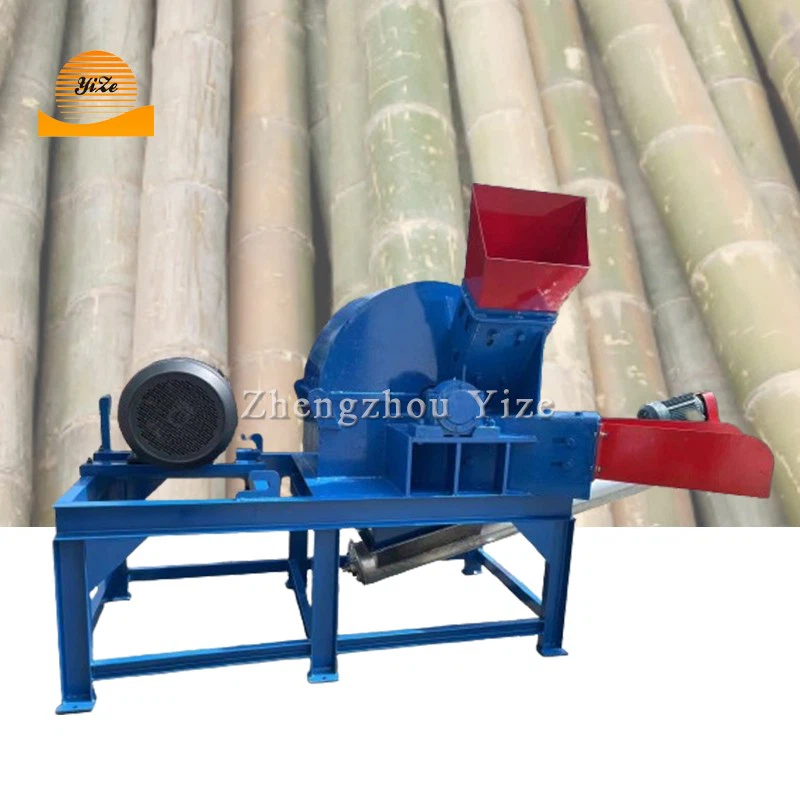
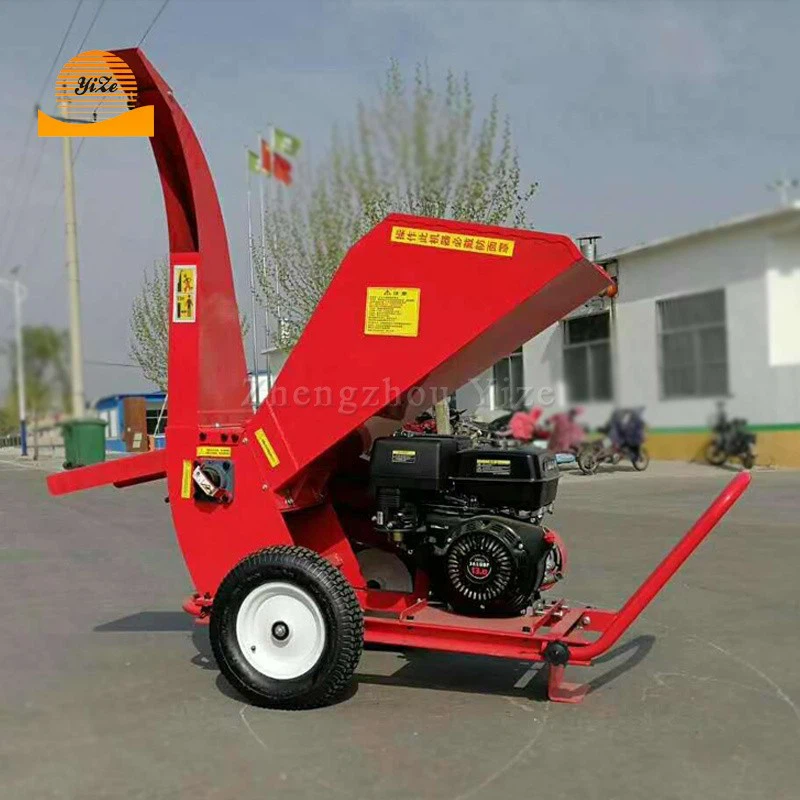
As a leading wood crusher supplier, we offer a wide range of high-quality wood crushers to meet the needs of different customers. Our products include Self-propelled branch crusher, Small Wood Crusher Machine, and Bamboo Crusher.
Our self-propelled branch crushers are designed for easy maneuverability and efficient processing of branches and other woody materials. They feature a powerful engine, a large hopper, and a high-capacity crushing chamber, making them ideal for use in forestry, landscaping, and other applications.
Our small wood crusher machines are compact and portable, making them suitable for use in small-scale wood processing operations. They are easy to operate and maintain, and they offer a cost-effective solution for crushing small pieces of wood.
Our bamboo crushers are specifically designed for processing bamboo and other fibrous materials. They feature a unique cutting mechanism that can effectively break down bamboo into small pieces, making them ideal for use in the bamboo processing industry.
Conclusion
Jamming in a wood crusher can be a frustrating and costly problem, but it can be prevented by following the strategies outlined in this blog post. By controlling the feed rate, preparing the wood properly, inspecting it for foreign objects, maintaining the blades, performing regular maintenance, and choosing the right wood crusher, you can keep your equipment running smoothly and avoid costly downtime.
If you're in the market for a wood crusher or need more information about our products, please don't hesitate to contact us. Our team of experts is ready to assist you in finding the right solution for your needs. We look forward to hearing from you and helping you take your wood processing operations to the next level.
References
- Manufacturer's manuals for wood crushers
- Industry best practices for wood crusher operation and maintenance
- Research studies on wood crusher performance and reliability