

In the printing industry, the durability of prints is a crucial factor that directly impacts customer satisfaction and the overall success of a printing business. As a leading printing machinery supplier, we understand the significance of producing long - lasting prints. In this blog, we will explore various strategies and techniques to enhance the durability of prints from printing machinery.
1. Selecting the Right Printing Machinery
The first step in improving print durability is choosing the appropriate printing machine for the job. Different types of printing machines have distinct characteristics that can affect the quality and longevity of prints.
-
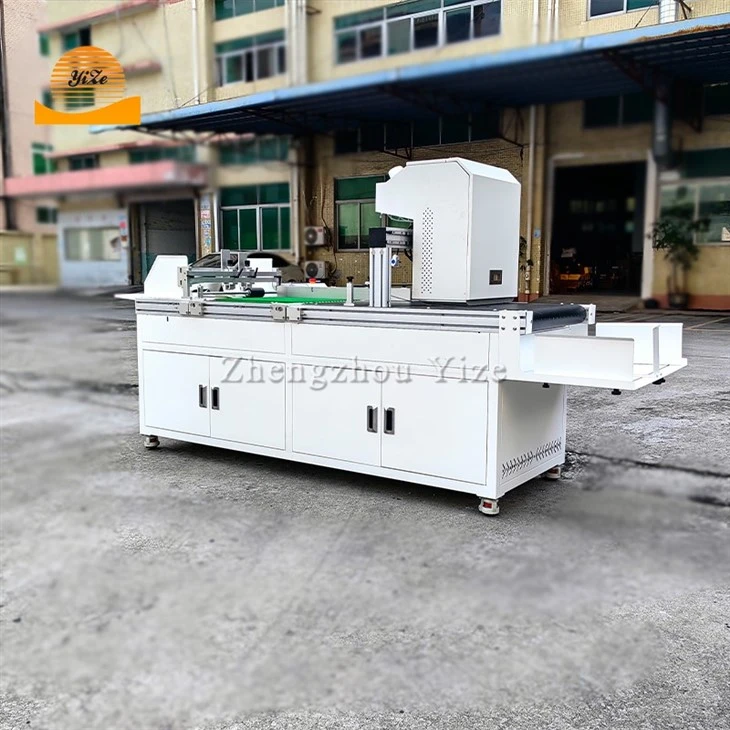
Plateless Printing Machine: This innovative technology offers several advantages when it comes to print durability. The Plateless Printing Machine eliminates the need for traditional printing plates, which can sometimes cause uneven ink distribution. With precise digital control, it can apply ink more evenly on the substrate, resulting in a more consistent and durable print. The absence of plates also reduces the risk of wear and tear associated with plate - based printing, ensuring that the print quality remains high over time.
-
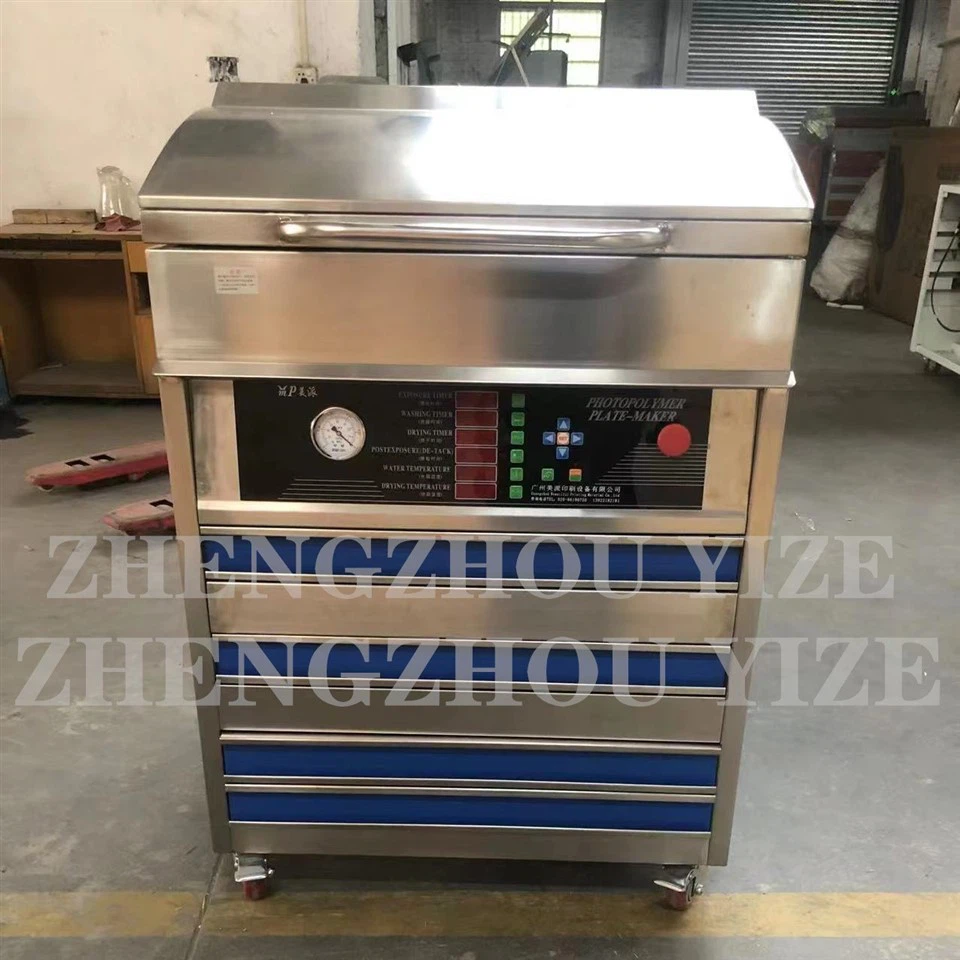
Plastic Resin Plate Making Machine: For certain printing applications, a Plastic Resin Plate Making Machine can be an excellent choice. These machines create high - quality plates that can hold ink well and transfer it accurately to the printing material. The plates made by this machine are resistant to scratches and abrasions, which helps in maintaining the integrity of the print. They are also suitable for printing on a variety of substrates, including plastics and metals, where durability is often a key requirement.
-
Flexographic Printing Machine: The Flexographic Printing Machine is widely used in the packaging industry due to its ability to produce durable prints on flexible materials. It uses flexible printing plates that can conform to the shape of the substrate, ensuring a uniform print. The ink used in flexographic printing is formulated to dry quickly and adhere firmly to the material, making the prints resistant to fading, smudging, and scratching.
2. Choosing the Right Inks and Substrates
The choice of inks and substrates plays a vital role in determining the durability of prints.
-
Inks: Opt for high - quality inks that are specifically designed for the type of substrate and printing application. For example, UV - curable inks are a popular choice for enhancing print durability. These inks dry almost instantly when exposed to ultraviolet light, forming a hard and durable surface. They are resistant to water, chemicals, and abrasion, making them suitable for outdoor and industrial applications. Solvent - based inks are also known for their good adhesion and durability, especially on non - porous substrates such as plastics and metals. However, they require proper ventilation during the printing process due to the release of volatile organic compounds (VOCs).
-
Substrates: Select substrates that are compatible with the printing process and the intended use of the printed product. For long - lasting prints, consider using materials with high strength and resistance to environmental factors. For instance, if you are printing labels for outdoor products, choose a substrate that is weather - resistant, such as polyester or polypropylene. These materials can withstand exposure to sunlight, moisture, and temperature variations without losing their print quality.
3. Optimizing Printing Settings
Proper adjustment of printing settings is essential to achieve durable prints.
-
Ink Density: Ensure that the ink density is set correctly. Too little ink may result in a faint and easily - damaged print, while too much ink can cause smudging and slow drying times. Conduct test prints to determine the optimal ink density for the specific substrate and ink combination.
-
Printing Pressure: Adjust the printing pressure according to the thickness and texture of the substrate. Insufficient pressure may lead to incomplete ink transfer, while excessive pressure can damage the substrate and the printing plates. A balanced printing pressure ensures even ink distribution and good adhesion.
-
Drying and Curing: Pay close attention to the drying and curing process. As mentioned earlier, UV - curable inks require proper UV exposure for complete curing. For solvent - based inks, ensure adequate ventilation and drying time to allow the solvents to evaporate completely. Improper drying or curing can result in prints that are sticky, prone to smudging, or have poor adhesion.
4. Implementing Post - Printing Treatments
Post - printing treatments can significantly enhance the durability of prints.
-
Laminating: Applying a laminate film over the printed surface is an effective way to protect the print from scratches, abrasions, and environmental damage. There are different types of laminates available, such as gloss, matte, and textured. Gloss laminates provide a shiny and protective finish, while matte laminates offer a more subdued appearance and better anti - glare properties. Textured laminates can add an extra layer of protection and a unique tactile feel to the printed product.
-
Coating: Another option is to apply a protective coating to the print. Clear coatings can improve the resistance of the print to water, chemicals, and UV radiation. They can also enhance the gloss or matte finish of the print, depending on the type of coating used. Water - based coatings are environmentally friendly and easy to apply, while solvent - based coatings offer excellent durability and adhesion.
5. Maintaining Printing Machinery
Regular maintenance of printing machinery is crucial for ensuring consistent print quality and durability.
-
Cleaning: Keep the printing machine clean to prevent the build - up of ink, debris, and other contaminants. Regularly clean the printing plates, rollers, and nozzles to ensure proper ink transfer and prevent clogging. Use appropriate cleaning agents that are compatible with the machine's components.
-
Lubrication: Lubricate the moving parts of the printing machine as recommended by the manufacturer. Proper lubrication reduces friction and wear, extending the lifespan of the machine and ensuring smooth operation.
-
Calibration: Periodically calibrate the printing machine to ensure accurate registration and ink density. This helps in producing consistent and high - quality prints over time.
6. Training and Quality Control
Well - trained operators are essential for achieving durable prints. Provide comprehensive training to your printing staff on the proper use and maintenance of the printing machinery, as well as the selection of inks, substrates, and post - printing treatments.
Implement a strict quality control system to monitor the print quality at every stage of the production process. Conduct regular inspections of the prints for defects such as smudging, uneven ink distribution, and poor adhesion. By identifying and addressing issues early, you can ensure that only high - quality and durable prints are delivered to customers.
Conclusion
Improving the durability of prints from printing machinery requires a comprehensive approach that involves selecting the right equipment, inks, and substrates, optimizing printing settings, implementing post - printing treatments, maintaining the machinery, and providing proper training and quality control. As a printing machinery supplier, we are committed to helping our customers achieve the best possible print durability. If you are interested in learning more about our printing machinery or need assistance in improving the durability of your prints, we invite you to contact us for a procurement consultation. Our team of experts is ready to provide you with personalized solutions tailored to your specific needs.
References
- "The Printing Handbook", Fifth Edition, Edited by R. H. Leach, R. J. Pierce, and R. W. Schiesser.
- "Flexographic Printing Technology", Third Edition, by John C. Booth.
- "UV Curing: Science and Technology", Second Edition, edited by Steven P. Pappas.