

How does a gravure printing machinery work?
As a seasoned supplier in the printing machinery industry, I've witnessed firsthand the intricate and fascinating process behind gravure printing. Gravure printing is a high - quality, high - volume printing method that has been a staple in various industries for decades. In this blog, I'll take you through the inner workings of a gravure printing machine, explaining each step in detail.
1. The Basics of Gravure Printing
Gravure printing is a form of intaglio printing, which means the image to be printed is engraved or etched into the surface of a cylinder. Unlike other printing methods where the ink is applied to the raised or flat surface, in gravure printing, the ink is held in the recessed areas of the cylinder. This fundamental difference is what gives gravure printing its unique characteristics, such as excellent image quality, sharp details, and consistent color reproduction.
2. The Key Components of a Gravure Printing Machine
A typical gravure printing machine consists of several key components, each playing a crucial role in the printing process.
- Printing Cylinder: This is the heart of the gravure printing machine. The cylinder is usually made of copper or steel and is engraved with the image to be printed. The engraving can be done using various techniques, including mechanical engraving, electronic engraving, or laser engraving. The depth and width of the engraved cells determine the amount of ink that will be transferred to the substrate.
- Inking System: The inking system is responsible for supplying ink to the printing cylinder. It typically includes an ink fountain, an ink doctor blade, and an ink circulation system. The ink fountain holds the ink, and a roller transfers the ink from the fountain to the surface of the printing cylinder. The ink doctor blade then wipes off the excess ink from the non - engraved areas of the cylinder, leaving only the ink in the engraved cells.
- Substrate Feeding System: The substrate feeding system is used to feed the printing material, such as paper, plastic film, or metal foil, through the printing machine. It includes a unwind stand, tension control devices, and a series of rollers to guide the substrate through the printing process.
- Drying System: After the ink is transferred to the substrate, it needs to be dried quickly to prevent smudging and ensure proper adhesion. The drying system can use various methods, such as hot air drying, infrared drying, or ultraviolet (UV) drying, depending on the type of ink and substrate being used.
3. The Printing Process
Now that we've covered the key components of a gravure printing machine, let's take a look at the actual printing process.
- Step 1: Pre - Press Preparation
Before the printing process begins, the printing cylinder needs to be prepared. This involves engraving the image onto the cylinder and mounting it onto the printing machine. The ink is also prepared, and the correct viscosity and color are adjusted according to the requirements of the job. The substrate is loaded onto the unwind stand, and the tension is adjusted to ensure smooth feeding. - Step 2: Inking the Cylinder
The ink is transferred from the ink fountain to the surface of the printing cylinder by a roller. The entire surface of the cylinder is coated with ink, including both the engraved and non - engraved areas. - Step 3: Wiping Off Excess Ink
The ink doctor blade, which is a thin, flexible blade made of metal or plastic, wipes off the excess ink from the non - engraved areas of the cylinder. This leaves only the ink in the engraved cells, which corresponds to the image to be printed. - Step 4: Ink Transfer to the Substrate
As the substrate passes between the printing cylinder and a pressure roller, the ink in the engraved cells is transferred to the substrate under pressure. The pressure applied by the pressure roller ensures that the ink is evenly transferred and that the image is sharp and clear. - Step 5: Drying the Printed Image
After the ink is transferred to the substrate, it passes through the drying system. The drying system removes the solvents from the ink, causing it to dry and adhere to the substrate. The drying time and temperature are carefully controlled to ensure proper drying without damaging the substrate. - Step 6: Rewinding the Printed Substrate
Once the printed image is dry, the substrate is rewound onto a take - up roll. The rewinding process is also carefully controlled to ensure that the printed material is wound evenly and without wrinkles.
4. Advantages of Gravure Printing
Gravure printing offers several advantages over other printing methods, which is why it is widely used in various industries.
- High - Quality Printing: Gravure printing produces high - quality images with sharp details, smooth gradients, and consistent color reproduction. This makes it ideal for printing applications where image quality is critical, such as packaging, magazines, and labels.
- High - Volume Printing: Gravure printing machines can operate at high speeds, making them suitable for high - volume printing jobs. They can print thousands of impressions per hour, which is much faster than some other printing methods.
- Versatility: Gravure printing can be used on a wide range of substrates, including paper, plastic film, metal foil, and textiles. This makes it a versatile printing method that can be used in various industries, such as packaging, publishing, and automotive.
5. Comparison with Other Printing Methods
While gravure printing has many advantages, it's also important to compare it with other printing methods, such as flexographic printing and offset printing.
- Flexographic Printing: Flexographic Printing Machine is another popular printing method, especially for packaging applications. Flexographic printing uses a flexible relief plate to transfer ink to the substrate. Compared to gravure printing, flexographic printing is generally more cost - effective for short - run jobs and can print on a wider range of substrates. However, gravure printing offers better image quality and color consistency, especially for high - end applications.
- Offset Printing: Offset printing is a widely used printing method for commercial printing, such as books, brochures, and newspapers. Offset printing uses a flat plate to transfer ink to a rubber blanket, which then transfers the ink to the substrate. Offset printing is known for its high - quality printing and cost - effectiveness for medium - to large - run jobs. However, gravure printing is better suited for high - volume jobs and offers better color consistency and image quality for certain applications.
6. Plate Making for Gravure Printing
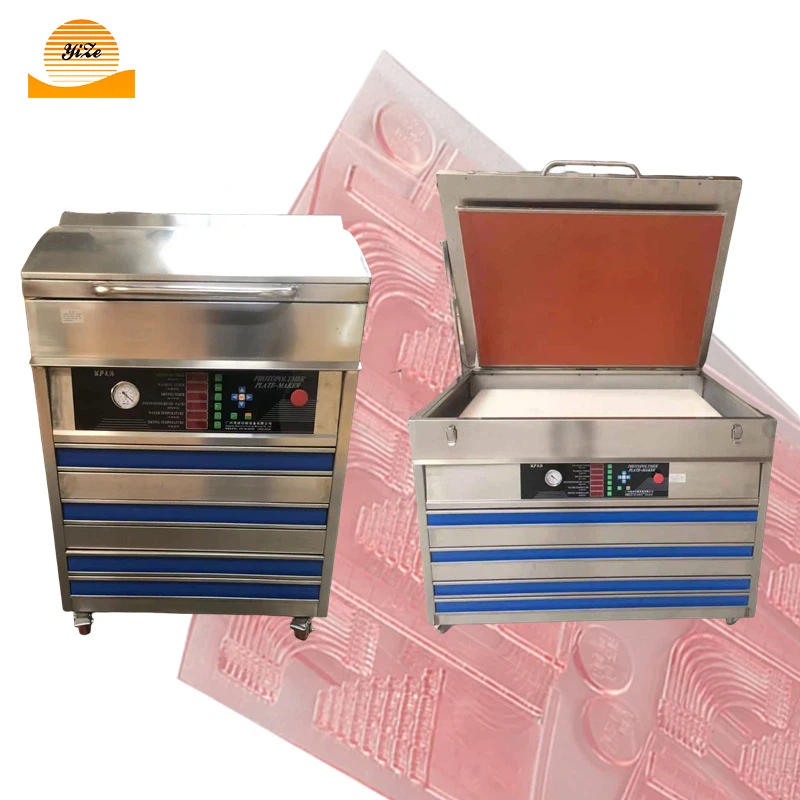
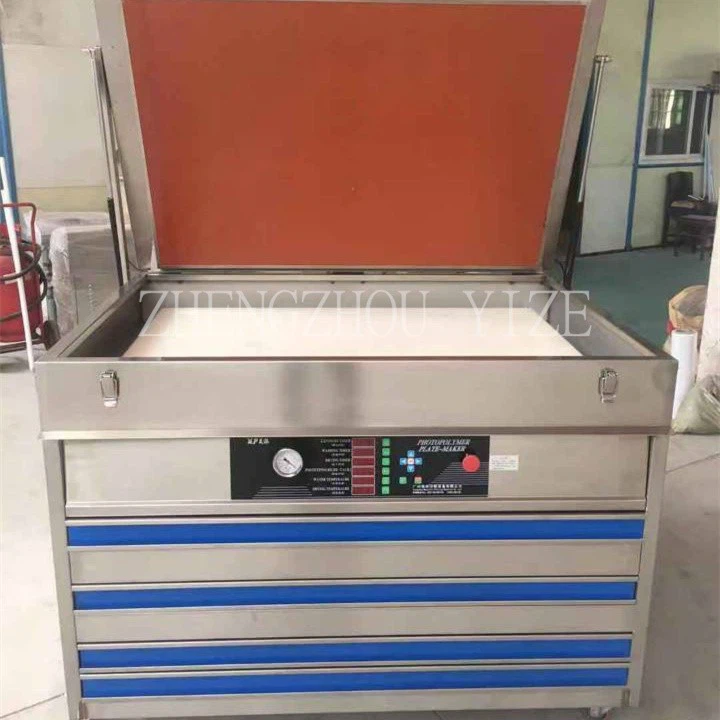
The quality of the printed image in gravure printing largely depends on the quality of the printing cylinder. Plate making is a crucial step in the gravure printing process. One option for plate making is using a Plastic Resin Plate Making Machine. This machine can produce high - quality printing cylinders with precise engraved cells. The plastic resin plates are durable and can be used for a large number of impressions, making them a cost - effective solution for many gravure printing applications.
7. Maintenance and Troubleshooting
To ensure the smooth operation of a gravure printing machine, regular maintenance is essential. This includes cleaning the printing cylinder, the ink system, and the drying system, as well as checking and adjusting the tension of the substrate. Troubleshooting is also an important part of operating a gravure printing machine. Common problems include ink streaks, poor ink transfer, and uneven drying. By understanding the causes of these problems, operators can take appropriate measures to solve them and ensure high - quality printing.
8. Contact for Purchase and Negotiation
If you're in the market for a gravure printing machine or have any questions about the printing process, I encourage you to reach out. As a professional printing machinery supplier, I can provide you with detailed information about our products, including specifications, pricing, and after - sales service. Whether you're looking for a new machine for your business or need to upgrade your existing equipment, I'm here to help you make the right choice.
References
- "The Handbook of Gravure Printing" by John Smith
- "Principles of Printing Technology" by David Brown
- Industry reports from leading printing associations