

Hey there, fellow quilting enthusiasts! As a supplier of quilting machinery, I've heard my fair share of concerns from customers, and one issue that pops up quite often is uneven stitching. It can be a real headache, but don't worry—I'm here to share some tips on how to handle this problem.
Understanding the Causes of Uneven Stitching
Before we dive into solutions, it's important to understand what might be causing the uneven stitching in the first place. There are several factors that could be at play, and identifying the root cause is key to finding the right fix.
Needle and Thread Issues
The needle and thread are the heart of any stitching operation, and problems with either can lead to uneven results. A dull or bent needle can cause the thread to snag or break, resulting in inconsistent stitches. Similarly, using the wrong type or weight of thread for your project can also cause issues. For example, a heavy thread on a lightweight fabric might not feed smoothly through the machine, leading to uneven tension.
Tension Problems
Tension is another common culprit when it comes to uneven stitching. If the tension is too tight, the stitches will be small and pulled together, while too loose of a tension will result in large, loose stitches. Adjusting the tension settings on your quilting machine can be a bit tricky, but it's usually one of the first things to check when you're experiencing stitching problems.
Machine Maintenance
Like any piece of equipment, quilting machines require regular maintenance to perform at their best. Over time, dust, lint, and debris can build up inside the machine, affecting its performance. This can lead to uneven stitching, as well as other issues like skipped stitches or thread breakage. Regular cleaning and lubrication of your machine can help prevent these problems.
Fabric and Batting
The type and quality of the fabric and batting you're using can also have an impact on the stitching. If the fabric is too thick or too thin, it might not feed through the machine properly, causing uneven stitches. Similarly, if the batting is not evenly distributed or is too thick, it can create bumps and lumps in the quilt, making it difficult to stitch smoothly.
Tips for Handling Uneven Stitching
Now that we've covered some of the possible causes of uneven stitching, let's talk about some solutions. Here are some tips that can help you get those perfect, even stitches on your quilting projects.
Check and Replace the Needle
As I mentioned earlier, a dull or bent needle can cause a lot of stitching problems. Make sure to use the right size and type of needle for your fabric and thread. For example, a sharp needle is best for woven fabrics, while a ballpoint needle is better for knit fabrics. It's also a good idea to replace your needle regularly, especially if you're working on a large project.
Adjust the Tension
If you suspect that tension is the problem, start by adjusting the tension settings on your machine. Most quilting machines have a tension dial that you can turn to increase or decrease the tension. Start with a medium setting and test the stitches on a scrap piece of fabric. If the stitches are too tight, loosen the tension; if they're too loose, tighten it. Keep adjusting and testing until you get the desired stitch quality.
Clean and Lubricate the Machine
Regular cleaning and lubrication of your quilting machine are essential for maintaining its performance. Use a small brush to remove any dust, lint, or debris from the machine, especially around the needle area and the bobbin case. You can also use a lint brush to clean the fabric feed dogs. After cleaning, apply a few drops of machine oil to the moving parts of the machine, following the manufacturer's instructions.
Use the Right Fabric and Batting
Choosing the right fabric and batting for your project is crucial for achieving even stitches. Make sure the fabric is smooth and free of wrinkles or creases. If you're using a thick fabric or batting, you might need to adjust the machine settings, such as the stitch length and width, to accommodate it. You can also try using a walking foot or a quilting foot, which can help feed the fabric and batting through the machine more evenly.
Practice and Patience
Quilting is a skill that takes time and practice to master. Don't get discouraged if you don't get perfect stitches right away. Keep practicing on scrap pieces of fabric until you feel comfortable with your machine and the stitching process. You can also try different techniques and settings to see what works best for you.
Our Quilting Machinery Solutions
At our company, we offer a wide range of Sewing Quilting Machine designed to meet the needs of quilters of all skill levels. Whether you're a beginner or an experienced quilter, we have a machine that's right for you.
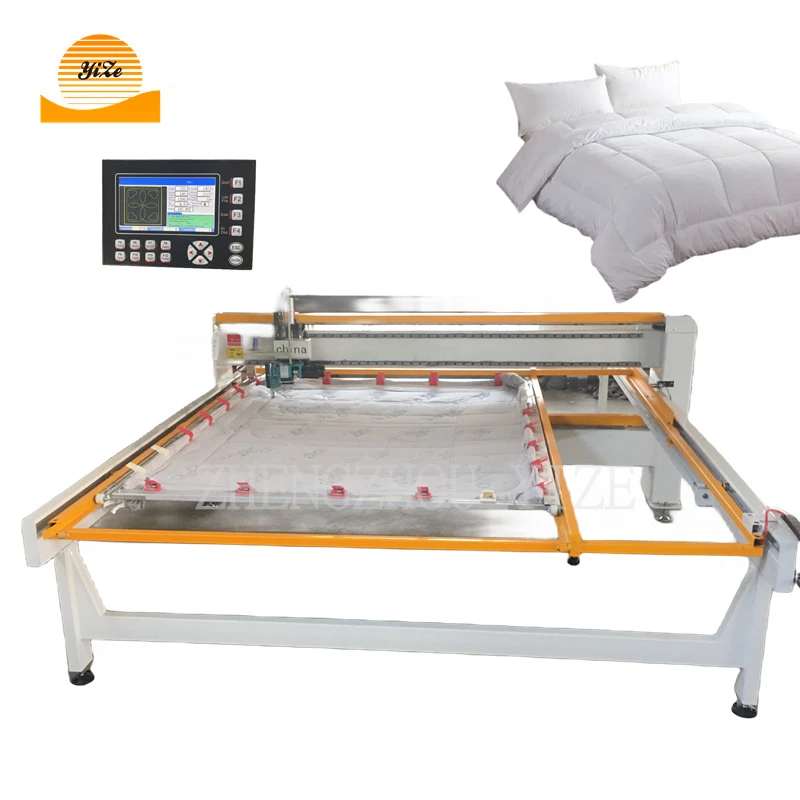
Our Single Needle Continuous Quilting Machine is perfect for small to medium-sized quilting projects. It offers precise stitching and easy-to-use controls, making it a great choice for beginners. The single needle design allows for more detailed stitching, while the continuous quilting feature ensures a smooth and consistent stitch.
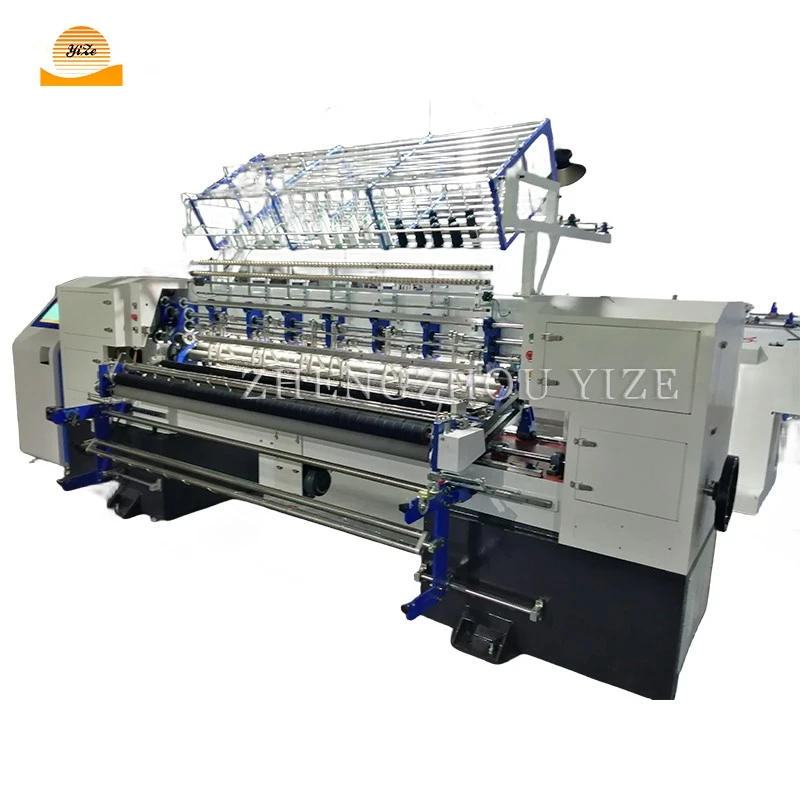
For larger projects or more complex quilting designs, our Multi-Needle Quilting Machine is a great option. With multiple needles working simultaneously, you can stitch multiple rows at once, saving you time and effort. The machine also offers a variety of stitch patterns and adjustable settings, allowing you to create unique and beautiful quilts.
Contact Us for More Information
If you're experiencing uneven stitching or other problems with your quilting machine, or if you're interested in learning more about our products, don't hesitate to contact us. Our team of experts is here to help you find the right solution for your needs. Whether you need advice on machine maintenance, tips on stitching techniques, or information about our products, we're just a phone call or an email away.
We also offer training and support services to help you get the most out of your quilting machine. Our experienced technicians can provide on-site training and troubleshooting, as well as remote support if needed. We want to make sure that you're happy with your purchase and that your quilting experience is as enjoyable as possible.
So, if you're ready to take your quilting to the next level, give us a call or send us an email today. We look forward to hearing from you and helping you create beautiful, professional-quality quilts.
References
- Quilting Machine Manuals
- Online Quilting Communities and Forums
- Quilting Magazines and Books