

The power requirement of a small - scale wood crusher is an important factor that both buyers and suppliers like me need to understand. As a wood crusher supplier, I've dealt with countless customers who are confused about how much power their wood crusher should have. Let's dig into this topic and clear up some of that confusion.
First off, what exactly is a small - scale wood crusher? Generally, it's a machine that's designed for home use, small businesses, or some small - scale forestry and agricultural operations. These crushers can handle a variety of wood materials such as branches, twigs, and small logs. They're often more compact and easier to operate compared to large - scale industrial crushers.
The power requirement of a small - scale wood crusher depends on several key factors. One of the primary ones is the size of the wood it can process. If a crusher is built to handle larger diameter branches and logs, it's going to need more power. Think about it this way: if you were to break a thick tree branch with your hands, it'd take a lot more effort than breaking a thin twig. The same logic applies to wood crushers. A machine that can crush 6 - inch diameter logs will require a much more powerful motor than one that's only designed for 1 - inch twigs.
Another important factor is the type of cutting mechanism. There are different ways a wood crusher can cut the wood, like using sharp blades, hammers, or discs. Each method has its own power needs. Crushers with blade - based cutting systems usually require less power compared to those with hammer or disc systems. Blade - style crushers work by slicing through the wood, which is a relatively smooth process. On the other hand, hammer and disc crushers shatter the wood into smaller pieces, a process that demands more energy.
The output capacity also plays a huge role in determining power requirements. If you want your wood crusher to grind a large amount of wood in a short period, you'll need a more powerful machine. For example, a crusher that can produce 500 pounds of wood chips per hour will need more power than one that can only do 100 pounds per hour. High - output machines have to work faster and harder, so they need a more robust power source to keep up the pace.
Let's talk about the power sources themselves. Small - scale wood crushers can be powered by electricity, gasoline, or diesel. Electric wood crushers are often the first choice for home and small - business use because they're relatively clean, quiet, and easy to maintain. The power of an electric wood crusher is usually measured in horsepower (hp) or kilowatts (kW). A small electric wood crusher might have a power rating of around 1 - 5 hp, which is suitable for light - duty tasks like processing small branches in a backyard. However, larger electric models used in small - scale commercial settings can go up to 10 - 15 hp.
Gasoline - powered wood crushers are more popular in areas where there's no easy access to electricity. They offer more mobility, which is great for on - site forestry work or in rural areas. Gasoline engines for small - scale crushers typically range from 3 - 10 hp. These engines can provide a lot of power in a relatively small package, but they do require regular refueling and more maintenance compared to electric crushers.
Diesel - powered wood crushers are often the go - to for heavy - duty, continuous use. Diesel engines are known for their high torque and fuel efficiency. They can handle large amounts of wood and are commonly used in commercial settings. Diesel - powered small - scale crushers usually have power ratings of 10 - 25 hp or even higher in some cases.
Now, I offer a variety of small - scale wood crushers with different power options to meet the diverse needs of my customers. For instance, if you're just looking to clean up some tree branches in your garden, an electric wood crusher with 2 - 3 hp might be perfect. It's quiet, easy to use, and won't cost you a fortune to run. On the other hand, if you're a small - scale furniture maker or a landscaper who needs to process larger volumes of wood regularly, a gasoline or diesel - powered crusher with more power would be a better choice.
We have some great models to choose from. If you're interested in a mobile and versatile option, our Self - propelled branch crusher is a top pick. It can easily move around the work area and crush branches of different sizes. For those who deal mainly with tree branches, the Tree Branch Crusher is specifically designed to handle that task efficiently. And if bamboo is your target material, our Bamboo Crusher is a specialized machine that has the right power and cutting mechanism to process bamboo effectively.
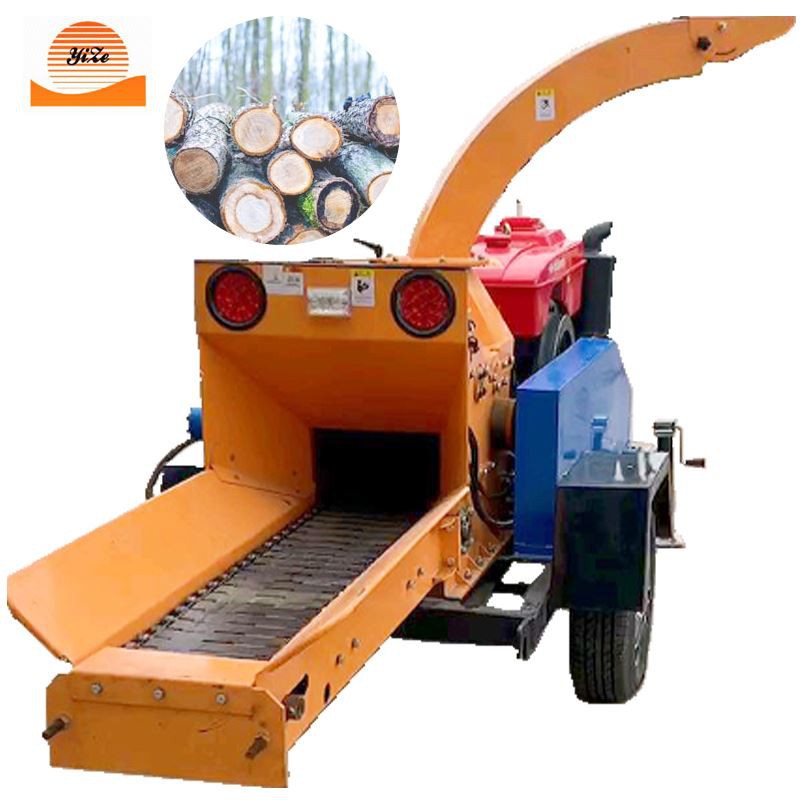
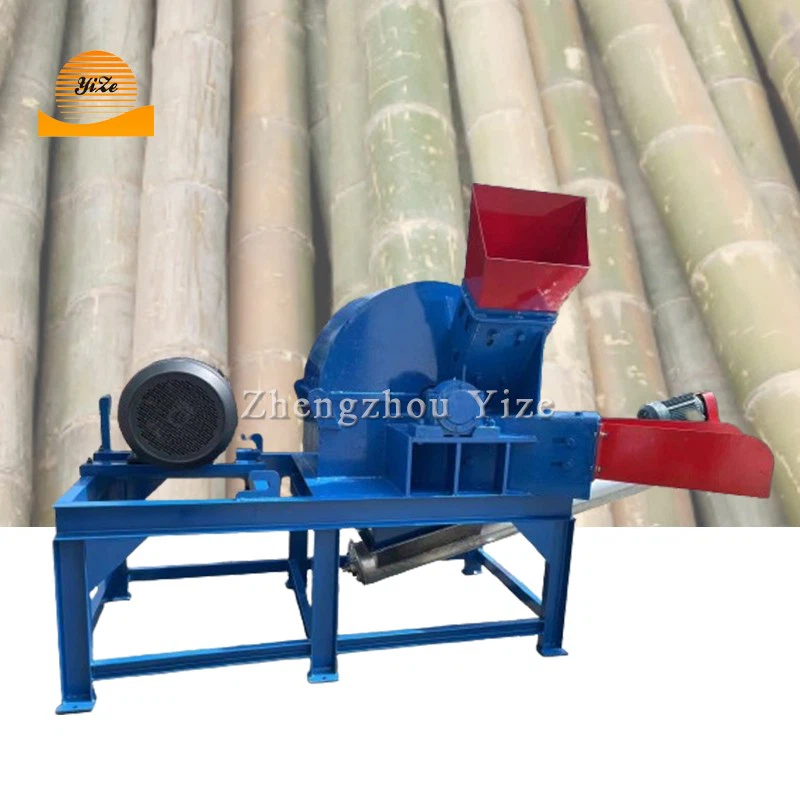
When you're considering buying a wood crusher, don't just focus on the price. It's important to think about your specific needs in terms of the size of the wood, output capacity, and the power source that suits your work environment. Choosing the right power for your wood crusher will ensure that it runs smoothly, lasts longer, and gives you the results you want.
If you're still not sure which wood crusher with the appropriate power is right for you, I'm here to help. Just reach out to me, and we can have a chat about your requirements. Whether you're a homeowner, a small - business owner, or part of a local forestry team, finding the perfect wood crusher is my goal. Let's work together to get the best wood - crushing solution for your situation. So, don't hesitate to contact me for more information or to start the purchasing process. Let's make your wood - crushing tasks a whole lot easier!
References:
- Textbook on Wood Processing Machinery
- Industry Reports on Small - scale Wood Crushers