

What is the maximum feeding speed of a wood crusher?
As a reputable wood crusher supplier, I often receive inquiries from customers about the maximum feeding speed of our wood crushers. This is a crucial factor that affects not only the efficiency of wood processing but also the overall productivity of the operation. In this blog post, I will delve into the concept of the maximum feeding speed of a wood crusher, the factors that influence it, and how it impacts your wood - processing business.
Understanding the Maximum Feeding Speed
The maximum feeding speed of a wood crusher refers to the highest rate at which wood materials can be continuously fed into the crusher without causing jams, overloading the machine, or compromising the quality of the final output. It is typically measured in cubic meters per hour (m³/h) or kilograms per hour (kg/h), depending on the type of wood and the crusher's design.
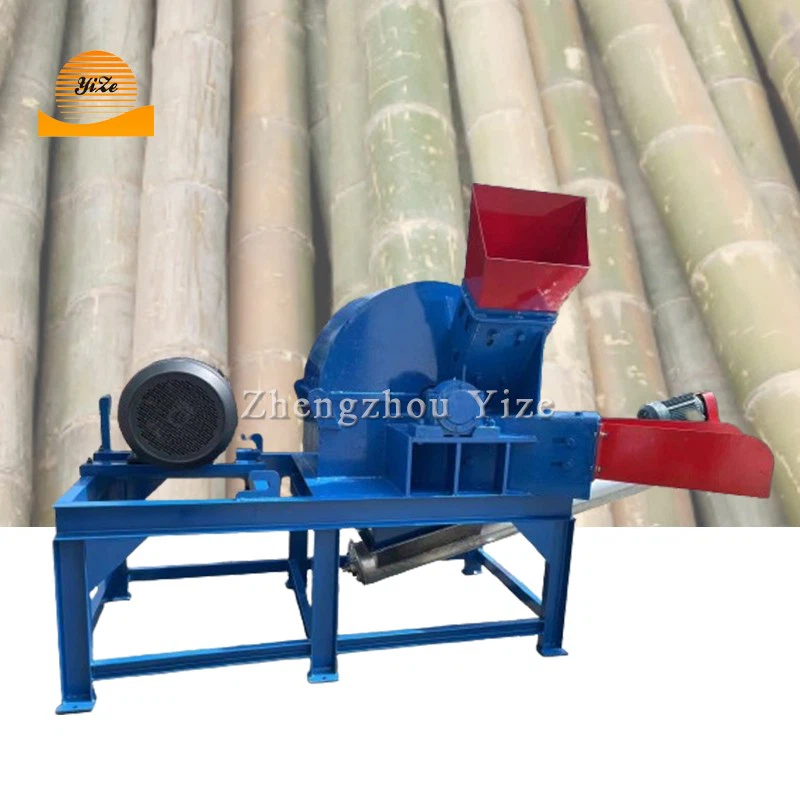
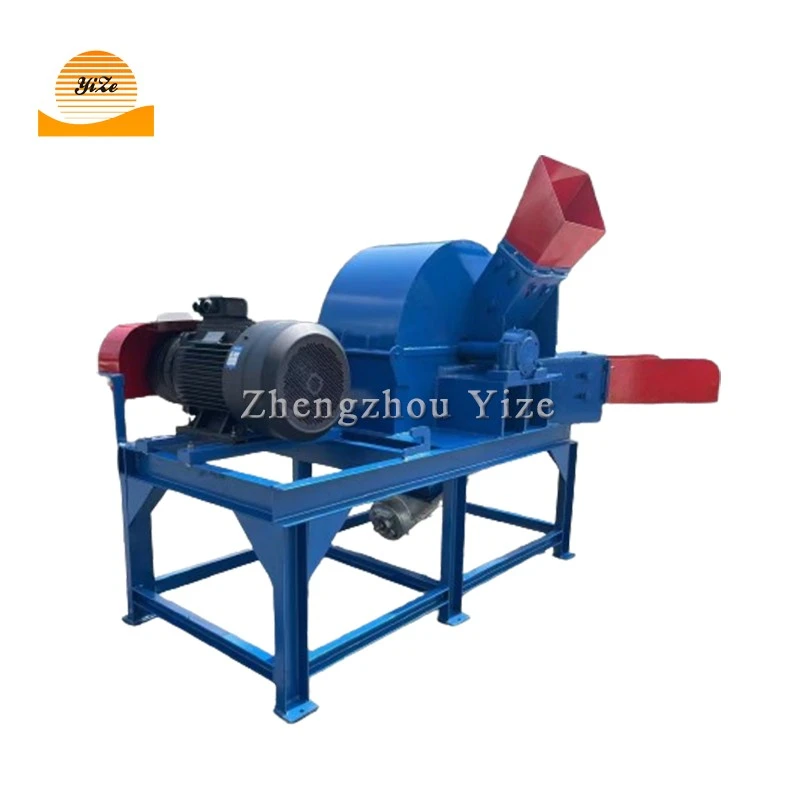
For example, if a wood crusher has a maximum feeding speed of 5 m³/h, it means that under optimal conditions, the crusher can handle up to 5 cubic meters of wood within an hour. However, it's important to note that this is an ideal scenario, and real - world conditions may vary.
Factors Influencing the Maximum Feeding Speed
- Crusher Design and Capacity
The design of the wood crusher plays a significant role in determining its maximum feeding speed. Crushers with larger hoppers and more powerful motors generally have higher feeding speeds. For instance, industrial - grade wood crushers are designed to handle large volumes of wood and often have higher maximum feeding speeds compared to small - scale crushers. Our Small Wood Crusher Machine is suitable for small - scale operations, while our larger models are built for high - volume processing. - Wood Characteristics
The type, size, and moisture content of the wood also affect the feeding speed. Hardwoods, such as oak and maple, are denser and more difficult to crush than softwoods like pine and spruce. As a result, the maximum feeding speed for hardwoods may be lower than that for softwoods. Additionally, larger pieces of wood require more time and energy to break down, so the feeding speed should be adjusted accordingly. High - moisture wood can also slow down the crushing process as it is heavier and more likely to cause blockages. - Screen Size
The size of the screen used in the wood crusher determines the size of the final output. A smaller screen size means finer particles, which requires more time for the wood to pass through the crusher. Therefore, when using a smaller screen, the feeding speed should be reduced to ensure proper crushing and prevent clogging.
Impact on Wood - Processing Business
- Productivity
A higher maximum feeding speed directly translates to increased productivity. By being able to process more wood in less time, you can meet larger orders and expand your business. However, it's important to find the right balance between feeding speed and quality to avoid producing sub - standard output. - Cost - Efficiency
Operating the wood crusher at its maximum feeding speed can also improve cost - efficiency. When the machine is running at an optimal rate, it consumes less energy per unit of wood processed. This reduces your energy costs and increases your profit margins. - Machine Longevity
Running the wood crusher at a speed that exceeds its maximum feeding capacity can lead to premature wear and tear on the machine. Overloading the crusher can cause damage to the motor, blades, and other components, resulting in costly repairs and downtime. Therefore, it's crucial to operate the machine within its recommended feeding speed range to ensure its long - term reliability.
How to Determine the Optimal Feeding Speed
- Refer to the Manufacturer's Guidelines
As a wood crusher supplier, we provide detailed operating manuals that include information on the maximum feeding speed for each of our models. These guidelines are based on extensive testing and are designed to ensure the safe and efficient operation of the machine. - Conduct Trials
Before starting large - scale production, it's advisable to conduct small - scale trials with different types of wood and feeding speeds. This will help you determine the optimal speed for your specific wood - processing requirements. Pay attention to the quality of the output, the sound of the machine, and any signs of blockages or overheating. - Monitor the Machine
During operation, closely monitor the wood crusher to ensure that it is running smoothly. If you notice any unusual noises, vibrations, or a decrease in the quality of the output, it may be a sign that the feeding speed is too high. Adjust the speed accordingly to maintain optimal performance.
Our Wood Crusher Products
At our company, we offer a wide range of wood crushers to meet the diverse needs of our customers. Our Bamboo Powder Machine is specifically designed for processing bamboo into fine powder, while our Bamboo Crusher can handle larger bamboo pieces. All of our crushers are built with high - quality materials and advanced technology to ensure reliable performance and high maximum feeding speeds.
Conclusion
The maximum feeding speed of a wood crusher is a critical factor that affects the efficiency, productivity, and cost - effectiveness of your wood - processing business. By understanding the factors that influence the feeding speed and operating the machine within its recommended range, you can maximize its performance and achieve the best results. If you have any questions about our wood crushers or need assistance in determining the optimal feeding speed for your application, please do not hesitate to contact us. We are here to help you make the most of your wood - processing operations.
If you are interested in purchasing a wood crusher or would like to discuss your specific requirements, we invite you to reach out to us. Our team of experts will be happy to provide you with detailed information and assist you in finding the perfect wood crusher for your business.
References
- Wood Processing Machinery Handbook
- Industrial Wood Crushing Techniques and Best Practices