

Hey there! I'm a supplier of shellers, and I've been in this business for quite a while. Over the years, I've seen firsthand how automation has been changing the sheller industry. So, I thought I'd share my thoughts on what the impact of automation is on shellers.
Efficiency and Productivity
One of the most significant impacts of automation on shellers is the boost in efficiency and productivity. In the old days, shelling operations were mostly manual. Workers had to spend hours, even days, shelling grains, nuts, or corn by hand. It was not only time - consuming but also physically demanding.
With the introduction of automated shellers, things have changed dramatically. Automated shellers can process a large quantity of produce in a relatively short time. For example, a modern Sweet Corn Thresher can shell hundreds of ears of corn per hour, something that would take a small army of manual laborers to achieve.
This increased efficiency means that farmers and food processing companies can get their products to the market faster. They can also handle larger volumes of produce, which is great for business growth. As a sheller supplier, I've noticed that more and more customers are looking for automated machines because they want to increase their output and stay competitive in the market.
Quality and Consistency
Automation also has a positive impact on the quality and consistency of the shelled products. Manual shelling can sometimes lead to uneven shelling, where some kernels might be damaged or not fully removed. Automated shellers, on the other hand, are designed to perform the shelling process with a high degree of precision.
These machines use advanced sensors and algorithms to ensure that each kernel is shelled correctly. For instance, in the case of a Rice And Wheat Thresher Machine, it can separate the grains from the husks without breaking the grains. This results in a higher - quality end - product that is more appealing to buyers.
Moreover, automated shellers can maintain a consistent level of quality throughout the shelling process. Whether it's the first batch or the last batch of the day, the quality remains the same. This consistency is crucial for businesses that rely on the reputation of their products. As a supplier, I always emphasize the quality and consistency benefits of our automated shellers to potential customers.
Labor Costs and Safety
Another area where automation has made a big difference is in labor costs and safety. Manual shelling requires a large workforce, which can be expensive for businesses. Hiring, training, and managing employees can be a hassle, not to mention the cost of wages and benefits.
Automated shellers can significantly reduce the need for manual labor. A single operator can oversee the operation of an automated sheller, which means that businesses can save a lot of money on labor costs. This is especially important for small and medium - sized farms and food processing companies that are looking to cut down on expenses.
In terms of safety, manual shelling can be dangerous. Workers are at risk of injuries from sharp tools or repetitive motion. Automated shellers are designed with safety features such as guards and emergency stop buttons. They also reduce the need for workers to perform strenuous and potentially dangerous tasks, which makes the workplace a safer environment.
Challenges and Adaptation
However, automation in the sheller industry is not without its challenges. One of the main challenges is the initial investment. Automated shellers are generally more expensive than manual ones. For small farmers or startups, the cost of purchasing an automated sheller can be a significant barrier.
Another challenge is the need for technical expertise. Operating and maintaining automated shellers requires some level of technical knowledge. Workers need to be trained to use the machines properly, and there needs to be someone on - site who can handle technical issues when they arise.
As a supplier, I understand these challenges. That's why we offer training programs for our customers to help them get the most out of our automated shellers. We also provide after - sales support to assist with any technical problems.
Future Trends
Looking ahead, I believe that the trend of automation in the sheller industry will continue. We're likely to see more advanced technologies being integrated into shellers. For example, artificial intelligence and machine learning could be used to further improve the efficiency and quality of the shelling process.
There will also be a growing demand for more environmentally friendly shellers. As consumers become more conscious about the environment, businesses will need to look for ways to reduce their carbon footprint. Automated shellers can be designed to be more energy - efficient, which is a step in the right direction.
Conclusion
In conclusion, automation has had a profound impact on the sheller industry. It has improved efficiency, quality, and safety while reducing labor costs. Although there are some challenges, the benefits far outweigh them.
If you're in the market for a sheller, whether you're a small farmer or a large food processing company, I encourage you to consider an automated sheller. It can be a game - changer for your business. If you have any questions or are interested in purchasing one of our shellers, feel free to reach out. We'd be more than happy to discuss your needs and help you find the right sheller for your operation.
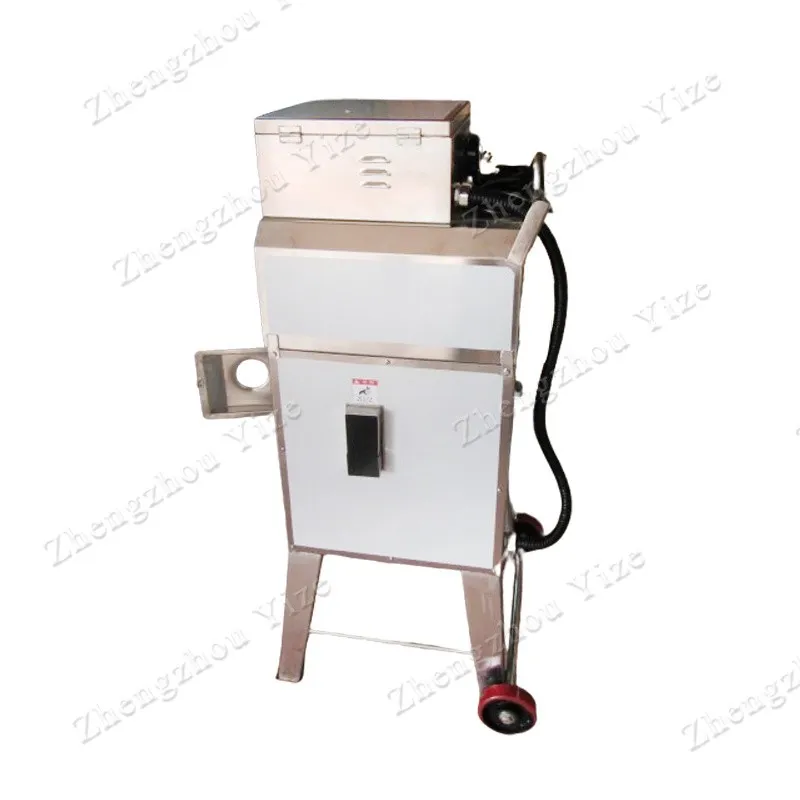

Let's work together to take your shelling business to the next level!
References
- Industry reports on agricultural machinery automation
- Interviews with farmers and food processing companies using automated shellers