

Energy consumption is a crucial factor for any industrial equipment, and wood crushers are no exception. As a professional wood crusher supplier, I understand the significance of this aspect for our customers. In this blog, I will delve into the energy consumption of wood crushers, exploring the influencing factors and providing some insights on how to optimize it.
Understanding the Basics of Wood Crusher Energy Consumption
Wood crushers are designed to break down wood materials into smaller pieces. The energy consumption of a wood crusher mainly depends on the power of its motor, which is used to drive the crushing mechanism. Different types of wood crushers have different motor powers, and this directly affects the amount of electricity they consume.
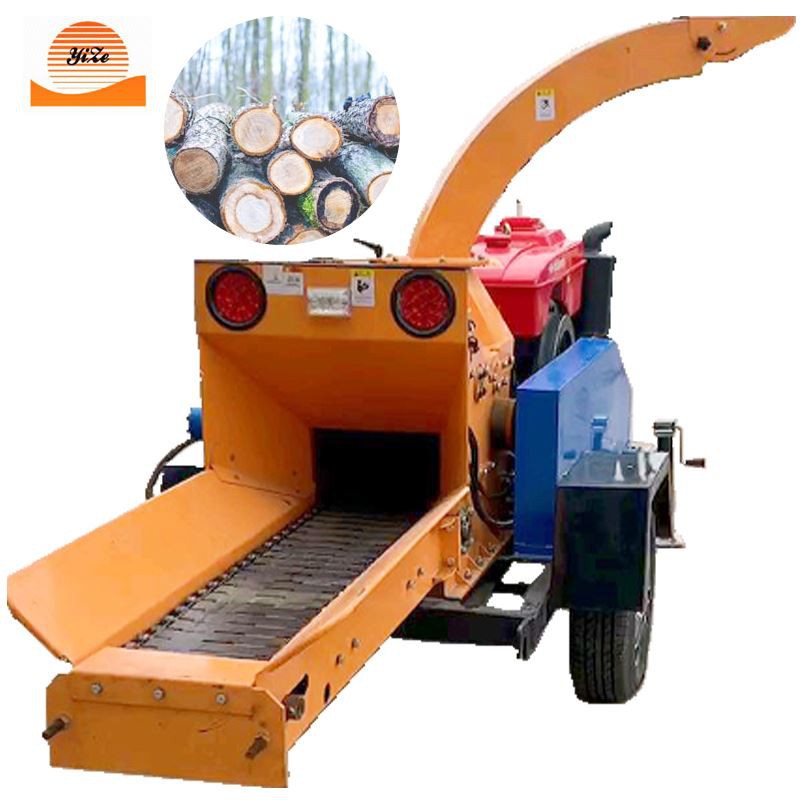
For example, a Tree Branch Crusher is specifically designed to handle tree branches. These crushers usually have a motor power ranging from a few kilowatts to tens of kilowatts, depending on the size and capacity of the machine. A smaller tree branch crusher with a lower power motor will consume less energy, making it suitable for small - scale operations such as home gardens or small woodworking workshops.
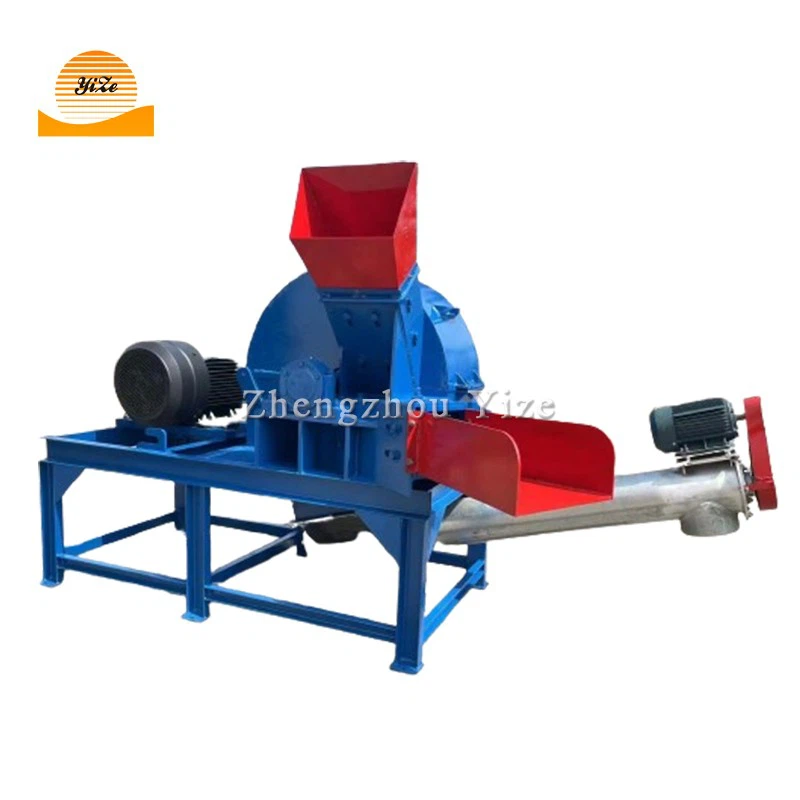
On the other hand, Small Wood Crusher Machine can process various wood materials. The energy consumption of these machines is also related to their design and intended use. Some small wood crusher machines are portable and have relatively low - power motors, which are energy - efficient for light - duty tasks.
Bamboo Crusher is another type of wood crusher. Bamboo has a different physical structure compared to ordinary wood, so the crushers designed for bamboo may have different energy requirements. Generally, bamboo crushers need to overcome the unique toughness of bamboo, which may require a more powerful motor and thus consume more energy.
Factors Affecting Wood Crusher Energy Consumption
- Material Properties
- The type of wood being crushed has a significant impact on energy consumption. Hardwoods such as oak and maple are denser and stronger than softwoods like pine and spruce. Crushing hardwoods requires more energy because the crusher has to break through the tougher fibers. For instance, a wood crusher may consume 20 - 30% more energy when processing hardwood compared to softwood.
- The moisture content of the wood also matters. Wet wood is heavier and more difficult to crush than dry wood. The crusher has to work harder to break down the wet fibers, leading to increased energy consumption. It is estimated that for every 10% increase in moisture content, the energy consumption of the wood crusher can rise by about 5 - 10%.
- Crushing Size
- The desired size of the crushed wood particles affects energy consumption. If you need very fine particles, the crusher has to work more intensively to break the wood into smaller pieces. For example, reducing wood into sawdust - like particles requires more energy than producing larger wood chips. The energy consumption can increase by up to 50% when the target particle size is significantly reduced.
- Machine Design and Efficiency
- The design of the wood crusher plays a vital role in energy consumption. A well - designed crusher with high - quality components and an optimized crushing mechanism can operate more efficiently. For example, crushers with advanced cutting blades or hammers can reduce the energy needed to break the wood. Additionally, proper maintenance of the machine, such as keeping the blades sharp and the bearings lubricated, can also improve its energy efficiency.
- The capacity of the wood crusher is also related to its energy consumption. A larger - capacity crusher may have a higher motor power, but it can process more wood in a shorter time. In some cases, using a larger - capacity crusher for large - scale operations can be more energy - efficient in the long run because it can complete the task with fewer starts and stops.
Measuring and Calculating Energy Consumption
To measure the energy consumption of a wood crusher, you can use a power meter. This device can be connected to the electrical circuit of the crusher to measure the actual power consumption over a certain period. By multiplying the power (in kilowatts) by the operating time (in hours), you can calculate the energy consumption in kilowatt - hours (kWh).
For example, if a wood crusher has a motor power of 5 kW and it operates for 3 hours, the energy consumption is 5 kW × 3 h = 15 kWh.
However, it should be noted that the actual energy consumption may vary depending on the factors mentioned above. Therefore, it is important to conduct on - site measurements under different operating conditions to get a more accurate understanding of the energy consumption of the wood crusher.
Optimizing Wood Crusher Energy Consumption
- Select the Right Machine
- Choose a wood crusher that is suitable for your specific needs. If you only need to process a small amount of wood occasionally, a small - capacity and low - power wood crusher will be sufficient. On the other hand, for large - scale wood processing operations, a larger - capacity crusher may be more energy - efficient in the long term.
- Prepare the Wood Properly
- Dry the wood before crushing to reduce its moisture content. This can significantly lower the energy consumption of the crusher. You can use natural drying methods or artificial drying equipment depending on your situation.
- Sort the wood by type and size. Processing similar - sized and - type wood at one time can make the crushing process more efficient and reduce energy waste.
- Maintain the Machine Regularly
- Keep the cutting blades or hammers sharp. Dull blades require more energy to cut through the wood. Sharpen the blades regularly according to the manufacturer's instructions.
- Check and lubricate the bearings and other moving parts. Proper lubrication reduces friction, which in turn reduces energy consumption.
- Inspect the electrical system of the crusher to ensure there are no short - circuits or other electrical problems that could lead to increased energy consumption.
Conclusion
Understanding the energy consumption of wood crushers is essential for both cost - savings and environmental protection. As a wood crusher supplier, we are committed to providing our customers with high - quality and energy - efficient wood crushers. By considering the factors that affect energy consumption, measuring it accurately, and taking steps to optimize it, you can make the most of your wood crusher while reducing your energy costs.
If you are interested in our wood crushers or have any questions about energy consumption and other aspects of the machines, please feel free to contact us for more information and start a procurement negotiation. We look forward to working with you to meet your wood processing needs.
References
- "Wood Processing Machinery Handbook", Industrial Press Inc.
- "Energy Efficiency in Industrial Equipment", Elsevier Science Publishing Co., Inc.