

Hey there! As a supplier of punching machinery, I've been in the thick of it, dealing with all sorts of punching machines on a daily basis. While these machines are super useful and play a huge role in various industries, they're not without their limitations. In this blog, I'm gonna share some of the key limitations of punching machinery that you should be aware of.
1. Limited Material Thickness and Type
One of the most obvious limitations of punching machinery is its ability to handle different material thicknesses and types. Most punching machines are designed to work within a specific range of material thickness. If you try to punch through a material that's too thick for the machine, it can cause a whole bunch of problems. The machine might not be able to generate enough force to make a clean punch, leading to deformed holes, torn edges, or even damage to the punching tool.
For example, a small, benchtop punching machine might be great for thin sheets of aluminum or mild steel, say up to 3mm thick. But if you try to use it on a 10mm thick steel plate, it's just not gonna work. You'd need a much larger, more powerful industrial punching machine for that.
In addition to thickness, the type of material also matters. Some materials are just harder to punch than others. Hardened steels, for instance, are extremely tough and can quickly wear out punching tools. Exotic materials like titanium or some high - performance alloys might require special punching techniques or custom - made tools. And brittle materials, such as certain types of ceramics or glass, are almost impossible to punch using traditional punching machinery without cracking or shattering.
2. Hole Size and Shape Constraints
Another limitation lies in the size and shape of the holes that can be punched. Most standard punching machines come with a set of predefined punching tools, which usually have common hole shapes like circles, squares, and rectangles. If you need a hole with a unique or complex shape, you might run into trouble.
Let's say you want to punch a star - shaped hole. Unless you have a custom - made punching tool for that specific shape, it's not going to be easy. Designing and manufacturing a custom punching tool can be expensive and time - consuming.
When it comes to hole size, there are also limitations. Very small holes can be difficult to punch accurately, especially in thick materials. The punching tool might break or get stuck in the material. On the other hand, very large holes can also pose problems. The machine might not have enough force to punch a large - diameter hole cleanly, and the material around the hole might deform.
3. Precision and Tolerance
Precision is crucial in many manufacturing processes, and punching machinery has its limits in this regard. While modern punching machines are getting more and more accurate, there's still a certain degree of error involved. Factors like the quality of the punching tool, the alignment of the machine, and the stability of the material being punched can all affect the precision of the holes.
For high - precision applications, such as in the electronics or aerospace industries, even a small deviation in hole size or position can be a big problem. For example, if you're punching holes for circuit board components, a tiny misalignment can prevent the components from fitting properly.
Tolerance, which is the allowable variation in the dimensions of the punched holes, is also a concern. Most punching machines have a standard tolerance range, and achieving tighter tolerances can be challenging. It might require more advanced machinery, better quality tools, and more precise setup and calibration.
4. Speed and Productivity
Although punching machines are generally fast at creating holes, there are still limitations to their speed and productivity. The punching speed depends on several factors, including the type of machine, the material being punched, and the size and complexity of the holes.
For example, a simple single - hole punching operation on a thin sheet of metal can be done quite quickly. But if you need to punch multiple holes in a complex pattern, the process can slow down significantly. The machine might need to reposition itself between each punch, and there could be delays in feeding the material.
In high - volume production environments, these limitations can become a bottleneck. To increase productivity, you might need to invest in more advanced punching machines with faster cycle times or multi - head punching capabilities. However, these machines can be very expensive.
5. Maintenance and Downtime
Punching machinery requires regular maintenance to keep it running smoothly. The punching tools need to be sharpened or replaced periodically, the machine's moving parts need to be lubricated, and the electrical and hydraulic systems need to be checked for any faults.
If maintenance is neglected, the machine's performance can degrade rapidly. Dull punching tools can cause poor - quality holes, and worn - out parts can lead to breakdowns. And when a punching machine breaks down, it can result in significant downtime.
Downtime means lost production time and lost revenue. For a manufacturing business, every hour that a punching machine is out of commission can be costly. So, having a proper maintenance schedule and trained maintenance staff is essential. But this also adds to the overall cost of operating the punching machinery.
6. Noise and Safety
Punching machines can be quite noisy during operation. The repeated impact of the punching tool on the material creates a loud banging sound, which can be a nuisance for workers in the vicinity. Prolonged exposure to high - level noise can also cause hearing damage.
Safety is another major concern. The moving parts of a punching machine, such as the punching tool and the ram, can pose a serious danger to operators. If proper safety measures are not in place, there's a risk of accidents, including finger amputations, crush injuries, and eye injuries.
To address these issues, manufacturers often install noise - reducing enclosures and safety guards on their punching machines. However, these additional features can increase the cost of the machine and might also limit access for maintenance and operation.
Looking for a Solution?
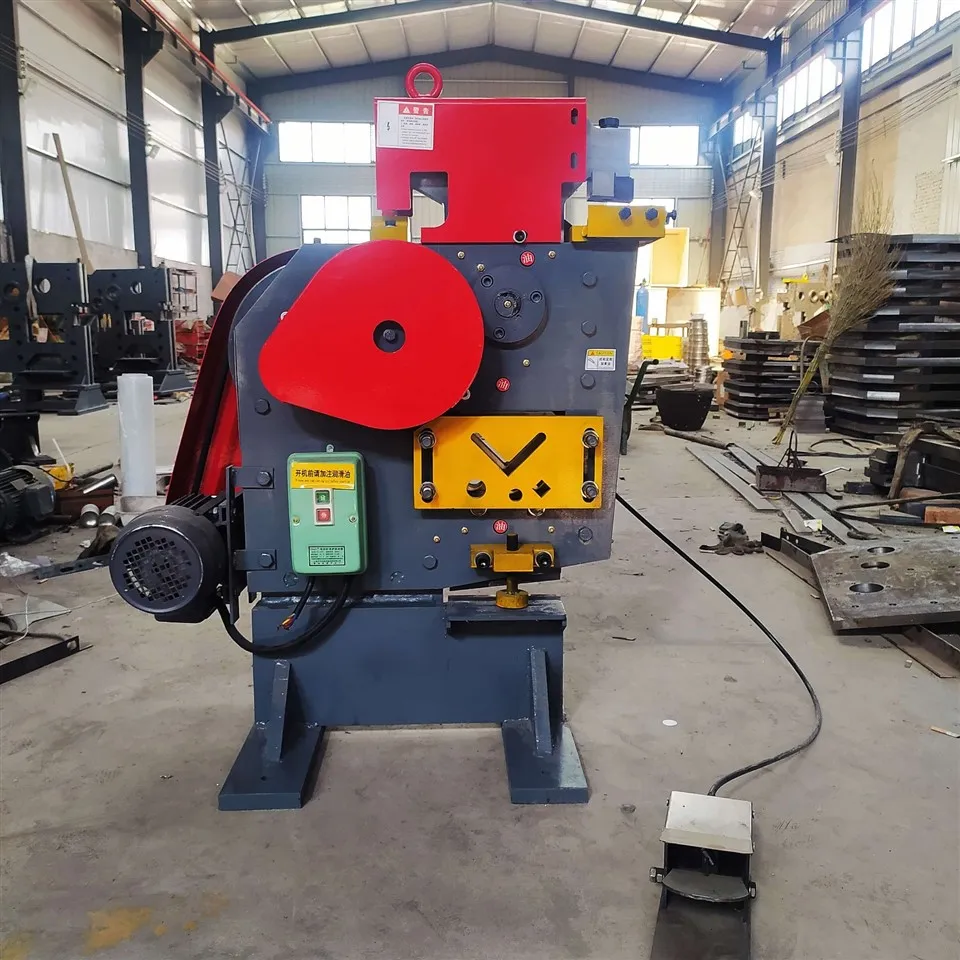
Despite these limitations, punching machinery is still an indispensable tool in many industries. At our company, we understand these challenges and are constantly working to develop solutions to overcome them. We offer a wide range of punching machines, including the Punching and Shearing Machine, which is designed to provide high - quality punching and shearing performance.
If you're in the market for punching machinery and want to discuss your specific needs, we'd love to hear from you. Whether you're looking for a machine to handle thick materials, create complex hole shapes, or improve precision, we can help you find the right solution. Just reach out to us, and we'll start the conversation about how our punching machinery can meet your requirements.

References
- "Punching Machine Handbook", Industrial Machinery Publishing
- "Materials and Processes in Manufacturing", McGraw - Hill Education