

As a supplier of the 9FQ Grain Crusher, I understand the importance of ensuring that operators are well - trained to use this equipment safely and efficiently. In this blog, I'll share some key steps and tips on how to train operators to use the 9FQ Grain Crusher.
1. Pre - training Preparation
Before starting the actual training, it's crucial to have all the necessary materials ready. First, gather the 9FQ Grain Crusher's user manual. This manual is a comprehensive guide that contains detailed information about the machine's structure, technical parameters, operating procedures, maintenance requirements, and safety precautions.
Next, prepare visual aids such as posters or slides that illustrate the key parts of the crusher, the correct operating steps, and common troubleshooting methods. These visual materials can greatly enhance the training effect, especially for operators who may not be as familiar with written instructions.
Also, ensure that the training area is well - equipped. Set up the 9FQ Grain Crusher in a spacious and well - ventilated area, and provide all the necessary tools for operation and maintenance, such as wrenches and screwdrivers.
2. Introduction to the 9FQ Grain Crusher
Begin the training by introducing the basic features and functions of the 9FQ Grain Crusher. Explain how the crusher works, including the principle of grain crushing. The 9FQ Grain Crusher typically uses high - speed rotating blades to crush grains into the desired particle size.
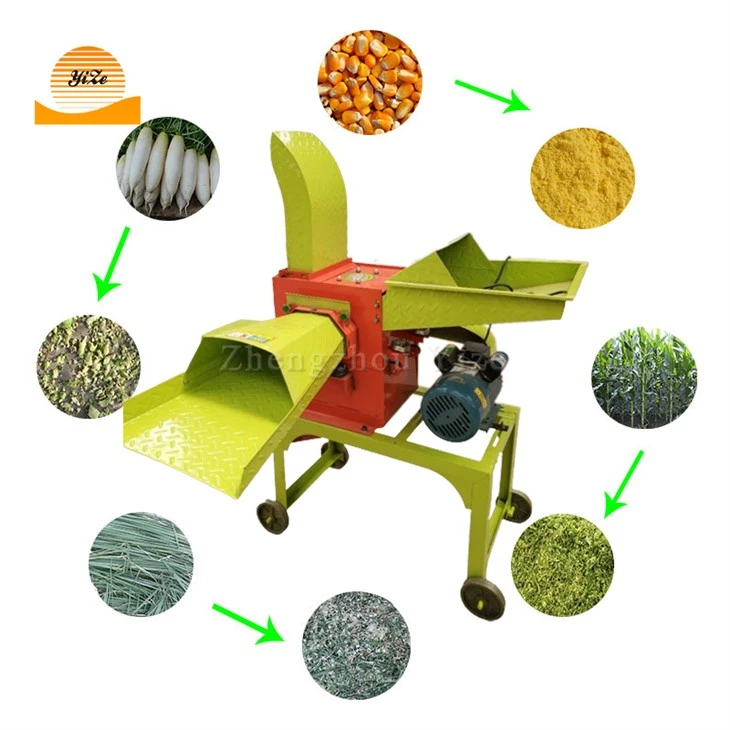
Show the operators the different parts of the crusher, such as the feeding hopper, crushing chamber, discharge outlet, and power source. Point out the functions of each part and how they interact with each other during the crushing process.
During this introduction, it's also a good time to mention some of our other related products. For example, if operators are interested in a more diverse range of feed - processing capabilities, they might want to check out our Long Neck Chaff Cutter or Multifunctional Chaff Cutter. These machines can complement the 9FQ Grain Crusher in the overall feed - processing workflow.
3. Safety Training
Safety should always be the top priority when operating any machinery, and the 9FQ Grain Crusher is no exception. Teach the operators about the potential hazards associated with the crusher, such as moving parts, sharp blades, and high - speed rotation.
Explain the importance of wearing appropriate personal protective equipment (PPE), including safety goggles, gloves, and ear protection. Demonstrate how to correctly wear and use these PPE items.
Go through the safety interlocks and emergency stop buttons on the crusher. Show the operators where these safety features are located and how to use them in case of an emergency. Also, emphasize the importance of keeping the work area clean and free of debris to prevent slips, trips, and falls.
4. Operating Procedures
Now it's time to teach the operators the correct operating procedures for the 9FQ Grain Crusher.
Feeding
Show the operators how to load grains into the feeding hopper. Explain the appropriate amount of grains to feed at one time. Overfeeding can cause the crusher to clog, while underfeeding may result in inefficient operation. Demonstrate how to evenly distribute the grains in the hopper to ensure a smooth and continuous feeding process.
Starting the Crusher
Before starting the crusher, check that all safety guards are in place and that the power supply is stable. Teach the operators how to turn on the power switch and start the crusher. Explain the normal startup process and what to listen for during startup, such as any abnormal noises that could indicate a problem.
Adjusting the Crushing Parameters
The 9FQ Grain Crusher usually allows for adjustment of the crushing fineness. Show the operators how to adjust the relevant parameters according to the desired particle size of the crushed grains. This may involve adjusting the gap between the blades or the rotational speed of the crusher. Provide examples of different grain types and the appropriate crushing settings for each.
Monitoring the Crushing Process
During the crushing process, operators should continuously monitor the machine. Teach them to observe the discharge outlet to ensure that the crushed grains are coming out smoothly and with the correct particle size. If there are any signs of blockage or abnormal discharge, they should know how to stop the crusher immediately and troubleshoot the problem.
Stopping the Crusher
When the crushing task is completed, show the operators how to properly stop the crusher. First, stop feeding grains into the hopper. Then, turn off the power switch and wait for the crusher to come to a complete stop before performing any maintenance or cleaning.
5. Maintenance Training
Proper maintenance is essential to ensure the long - term performance and reliability of the 9FQ Grain Crusher.
Regular Cleaning
Teach the operators how to clean the crusher after each use. Explain how to remove the remaining grains and debris from the feeding hopper, crushing chamber, and discharge outlet. Use appropriate cleaning tools, such as brushes and compressed air, to ensure a thorough cleaning.
Blade Inspection and Replacement
The blades are the key components of the crusher, and their condition directly affects the crushing efficiency. Show the operators how to inspect the blades for wear and damage. Explain the signs of worn - out blades, such as dull edges or chips. Teach them how to safely replace the blades when necessary, following the procedures in the user manual.
Lubrication
Some parts of the crusher, such as bearings, require regular lubrication. Demonstrate how to lubricate these parts correctly, including the type of lubricant to use and the frequency of lubrication.
General Inspection
Encourage operators to perform a general inspection of the crusher regularly. Check for loose bolts, damaged wires, and any other signs of wear or malfunction. By detecting and addressing these issues early, they can prevent more serious problems from occurring.
6. Troubleshooting Training
Even with proper operation and maintenance, problems may still occur with the 9FQ Grain Crusher. Train the operators on common troubleshooting methods.
Clogging
If the crusher becomes clogged, show the operators how to identify the location of the blockage. Usually, it can be in the feeding hopper, crushing chamber, or discharge outlet. Teach them how to safely clear the blockage using the appropriate tools, such as a wooden stick or a brush.
Abnormal Noises
Abnormal noises during operation can indicate various problems, such as loose parts or worn - out bearings. Train the operators to listen for these noises and to stop the crusher immediately when they detect them. Then, guide them on how to inspect the machine to find the source of the noise and take appropriate measures to fix it.
Low Crushing Efficiency
If the crusher is not achieving the desired crushing efficiency, it could be due to dull blades, incorrect settings, or other factors. Teach the operators how to diagnose the cause of low efficiency and how to adjust the machine accordingly.
7. Practical Training and Evaluation
After the theoretical training, provide practical training opportunities for the operators. Let them operate the 9FQ Grain Crusher under supervision. Observe their performance and provide immediate feedback. Correct any incorrect operations and reinforce the key points of the training.
Once the operators have gained some practical experience, conduct an evaluation. This can include a written test to assess their knowledge of the operating procedures, safety rules, and troubleshooting methods, as well as a practical demonstration of their ability to operate the crusher correctly. Provide certificates or other forms of recognition for those who successfully complete the training.
8. Continuous Support and Follow - up
Even after the training is completed, offer continuous support to the operators. Provide a hotline or email address where they can contact us if they have any questions or encounter problems during the operation of the 9FQ Grain Crusher.

Periodically follow up with the operators to see how they are using the crusher and if they have any suggestions for improvement. This not only helps to ensure the proper use of the machine but also builds a good relationship with our customers.
In conclusion, training operators to use the 9FQ Grain Crusher effectively is a multi - step process that requires careful planning and implementation. By providing comprehensive training on safety, operating procedures, maintenance, and troubleshooting, we can ensure that our customers get the most out of our products. If you are interested in our 9FQ Grain Crusher or any of our other products like the Straw Crushing Baler Machine, please feel free to contact us for more information and to discuss your procurement needs.
References
- User manual of the 9FQ Grain Crusher
- Industry standards for grain - crushing machinery operation and safety