

Hey there! As a supplier of feed processing machines, I know how crucial it is to ensure that these machines are performing at their best. Whether you're a farmer looking to process feed for your livestock or a commercial feed producer, testing the performance of your feed processing machine is essential for efficiency, quality, and cost - effectiveness. In this blog, I'll share some practical ways to test the performance of a feed processing machine.
1. Pre - test Preparations
Before you start testing the machine, there are a few things you need to do. First, make sure the machine is installed correctly according to the manufacturer's instructions. Check all the connections, belts, and screws to ensure they are tight and in good condition. Next, gather all the necessary tools and materials for testing, such as a scale, a timer, and samples of the feed ingredients you'll be using.
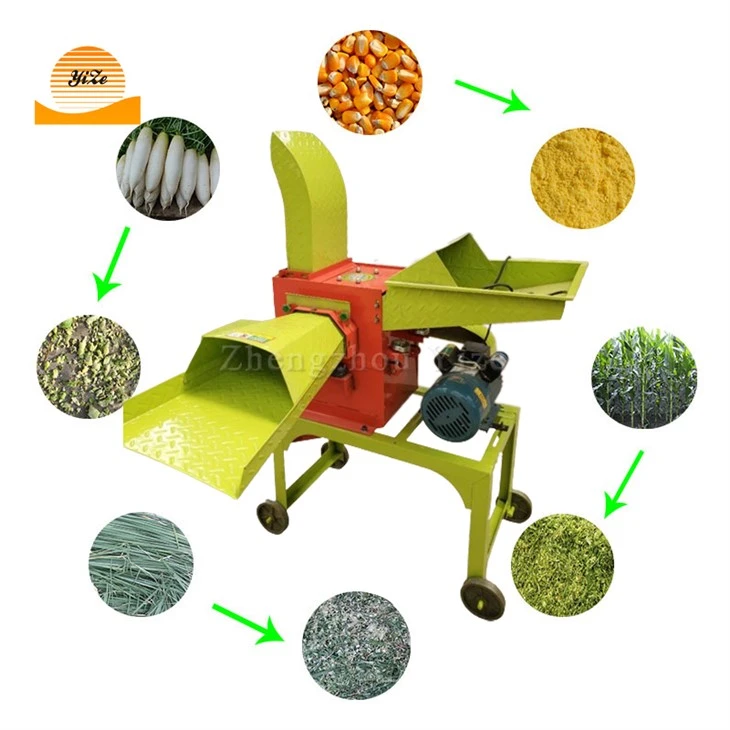
You should also have a clear understanding of the machine's specifications and the expected performance parameters. For example, if it's a Multifunctional Chaff Cutter, you need to know the cutting length range, the power consumption, and the throughput capacity.

2. Testing the Physical Properties of the Feed
One of the first things you can do is to test the physical properties of the processed feed. This includes the particle size, density, and moisture content.
-
Particle Size: The particle size of the feed is an important factor as it affects the digestibility and palatability of the feed for the animals. You can use a set of sieves with different mesh sizes to measure the particle size distribution. Take a sample of the processed feed and pass it through the sieves. Weigh the amount of feed retained on each sieve to calculate the percentage of different particle sizes. If the particle size is not within the desired range, it could indicate a problem with the cutting blades or the adjustment of the machine.
-
Density: The density of the feed can also impact its storage and handling. You can measure the density by weighing a known volume of the processed feed. A lower - than - expected density might suggest that the feed is too fluffy, which could be due to improper grinding or mixing.
-
Moisture Content: Moisture content is critical for feed quality. High moisture can lead to mold growth and spoilage, while low moisture can make the feed brittle. You can use a moisture meter to measure the moisture content of the feed. If the moisture content is off, you may need to adjust the drying or conditioning process in the machine.
3. Measuring the Throughput Capacity
The throughput capacity of a feed processing machine refers to the amount of feed it can process in a given time. To measure this, you need to run the machine for a specific period, say 30 minutes or an hour, and weigh the amount of processed feed. Compare the actual throughput with the manufacturer's specifications.
If the throughput is lower than expected, there could be several reasons. It might be due to clogged pipes, worn - out parts, or incorrect feed flow settings. For instance, in a Hanging Chaff Cutter, if the blades are dull, the cutting speed will slow down, reducing the overall throughput.
4. Evaluating the Energy Consumption
Energy consumption is a significant cost factor in feed processing. You can use a power meter to measure the electrical power consumption of the machine during operation. Compare the energy consumption with the rated power of the machine.
If the energy consumption is higher than normal, it could be a sign of inefficiencies in the machine. Maybe there are mechanical issues, such as misaligned belts or bearings that are causing extra friction. Monitoring the energy consumption over time can also help you detect any emerging problems early on.
5. Assessing the Mixing Uniformity
For machines that are involved in feed mixing, such as a mixer in a Silage Feed Silo, it's important to test the mixing uniformity. You can do this by taking multiple samples from different locations in the mixed feed and analyzing the nutrient content in each sample.
Use a chemical analysis method to measure the levels of key nutrients like protein, fat, and minerals. If the nutrient levels vary significantly between samples, it means the mixing is not uniform. This could be due to improper mixer design, incorrect mixing time, or a problem with the feed flow pattern inside the mixer.
6. Testing the Durability and Reliability
In addition to the performance parameters, you also need to consider the durability and reliability of the machine. Run the machine for an extended period, say 24 hours or more, to simulate real - world operating conditions.
During this time, monitor the machine for any signs of wear, vibration, or unusual noises. Check the temperature of critical components like motors and bearings regularly. If you notice any problems, such as excessive wear on the cutting blades or overheating of the motor, it could indicate a need for maintenance or replacement of parts.
7. Analyzing the Results and Making Adjustments
Once you've completed all the tests, it's time to analyze the results. Compare the test results with the machine's specifications and your own performance requirements. If there are any deviations, identify the root causes and make the necessary adjustments.
This could involve adjusting the machine settings, replacing worn - out parts, or improving the maintenance schedule. Keep a record of the test results and the actions taken for future reference.
Why Choose Our Feed Processing Machines?
We understand that you have many options when it comes to feed processing machines. Our machines are designed with the latest technology to ensure high performance, energy efficiency, and durability. We also offer comprehensive after - sales service and support to help you keep your machines running smoothly.
If you're interested in learning more about our feed processing machines or want to discuss your specific requirements, don't hesitate to get in touch with us. We're always here to help you make the best choice for your feed processing needs.
References
- "Feed Processing Technology" by a well - known author in the field of agricultural engineering.
- Manufacturer's manuals of various feed processing machines.