

Can I use a sewing machine to make quilts?
Quilting is a time - honored craft that combines creativity, skill, and a love for textiles. It has evolved over the years, and with the advent of modern sewing machines, the process has become more accessible and efficient. As a sewing machinery supplier, I often get asked whether a sewing machine can be used to make quilts. The answer is a resounding yes! In this blog, I'll explore the ins and outs of using a sewing machine for quilting, the types of machines suitable for the task, and some tips to help you get started.
Why Use a Sewing Machine for Quilting?
Using a sewing machine for quilting offers several advantages over hand - quilting. First and foremost, it saves a significant amount of time. Hand - quilting is a painstaking process that can take weeks or even months to complete a single quilt. A sewing machine, on the other hand, can stitch through multiple layers of fabric quickly and evenly, allowing you to finish your quilt in a fraction of the time.
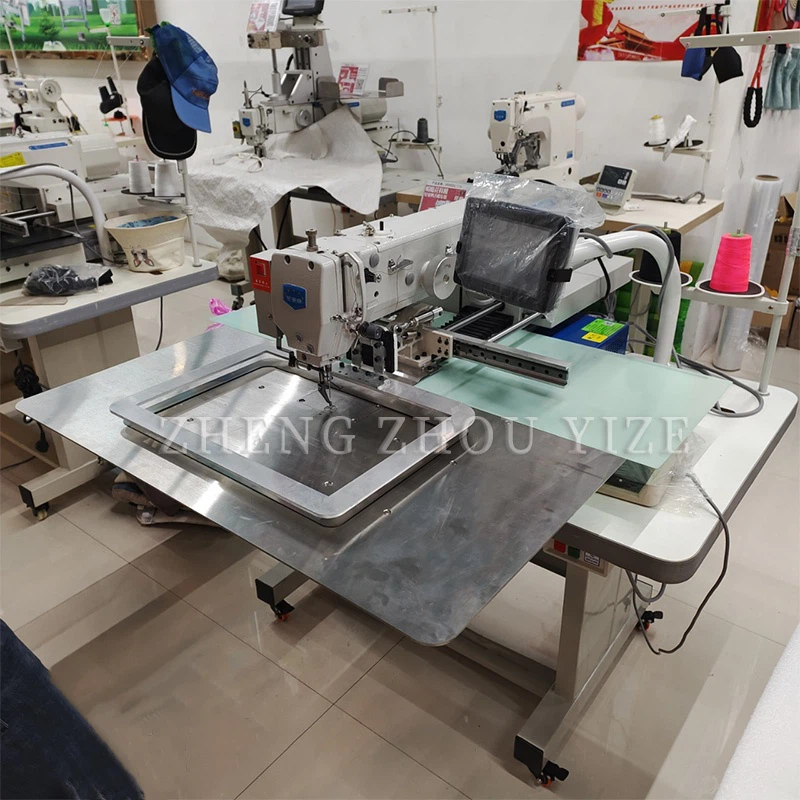

Secondly, a sewing machine provides more consistent stitches. When hand - quilting, it can be challenging to maintain the same stitch length and tension throughout the project. A sewing machine eliminates this problem, ensuring that your stitches are uniform and professional - looking.
Finally, modern sewing machines come with a variety of features that can enhance your quilting experience. For example, many machines have adjustable stitch lengths and widths, which allow you to create different quilting patterns. Some also have built - in walking feet, which help to feed the multiple layers of fabric through the machine evenly, preventing bunching and puckering.
Types of Sewing Machines for Quilting
Not all sewing machines are created equal when it comes to quilting. Here are some types of sewing machines that are well - suited for the task:
-
Domestic Sewing Machines: These are the most common type of sewing machines found in households. They are versatile and can handle a variety of sewing tasks, including quilting. Many domestic sewing machines come with a range of stitches and features that are useful for quilting, such as zig - zag stitches, decorative stitches, and adjustable presser foot pressure. However, they may have limitations when it comes to quilting large projects, as they typically have a smaller throat space (the area between the needle and the machine arm).
-
Quilting Machines: These are specialized sewing machines designed specifically for quilting. They usually have a larger throat space, which allows you to maneuver large quilt tops more easily. Quilting machines also often come with features such as a free - motion quilting function, which enables you to create custom quilting designs by moving the fabric freely under the needle. Some quilting machines are even equipped with computerized controls, allowing you to program and execute complex quilting patterns.
-
Long - Arm Quilting Machines: These are industrial - grade sewing machines used by professional quilters. They have an extremely large throat space, sometimes up to 24 inches or more, which makes them ideal for quilting large, king - size quilts. Long - arm quilting machines are typically operated by a quilter who sits at a control panel and moves the quilt under the needle using a system of rollers and guides. They offer high - speed stitching and can produce professional - quality quilts in a relatively short time.
As a sewing machinery supplier, we offer a wide range of sewing machines suitable for quilting, including Industrial Wig Sewing Machine Sewing Machine For Wigs, Seat Cushion Sewing Machine, and Bead Sewing Machine. These machines can also be adapted for certain aspects of quilting, depending on your specific needs.
Tips for Using a Sewing Machine to Make Quilts
If you're new to using a sewing machine for quilting, here are some tips to help you get started:
-
Choose the Right Needle: The type of needle you use can have a big impact on the quality of your quilting stitches. For quilting, it's best to use a sharp needle, such as a universal or quilting needle. These needles have a fine point that can easily penetrate the multiple layers of fabric without causing damage. The size of the needle will depend on the weight of the fabric you're using; generally, a size 90/14 or 100/16 needle is suitable for most quilting projects.
-
Use the Right Thread: The thread you choose should be strong enough to hold the layers of the quilt together. Cotton thread is a popular choice for quilting, as it is strong, durable, and has a natural look. Polyester thread is also a good option, as it is resistant to stretching and shrinking. When selecting thread, make sure to choose a color that complements your fabric.
-
Prepare Your Fabric: Before you start quilting, it's important to prepare your fabric properly. This includes washing and drying it to pre - shrink the fabric and remove any sizing or chemicals. You should also press the fabric to remove any wrinkles and make it easier to work with.
-
Layer Your Quilt: Layering the quilt involves placing the quilt top, batting, and backing fabric together. Make sure to smooth out any wrinkles or air bubbles between the layers. You can use pins or basting spray to hold the layers in place.
-
Practice Your Quilting Techniques: If you're new to quilting, it's a good idea to practice your quilting techniques on a scrap piece of fabric before you start working on your actual quilt. This will help you get familiar with the machine and the different quilting patterns.
Conclusion
In conclusion, using a sewing machine to make quilts is not only possible but also highly recommended. Whether you're a beginner or an experienced quilter, a sewing machine can help you create beautiful, professional - looking quilts in less time. As a sewing machinery supplier, we are committed to providing you with the best sewing machines and accessories for your quilting needs.
If you're interested in purchasing a sewing machine for quilting or have any questions about our products, please don't hesitate to contact us for a purchase negotiation. We look forward to helping you take your quilting to the next level.
References
- "The Complete Guide to Quilting" by Mary Johnson
- "Sewing Machine Basics" by Jane Smith
- Various industry publications on sewing and quilting techniques.