

Hey there! As a supplier of sewing machinery, I often get asked all sorts of questions about what different machines can do. One question that pops up quite a bit is, "Can I sew leatherette with a sewing machine?" Well, let's dive right into this topic and find out.
First off, let's talk a bit about leatherette. Leatherette, also known as faux leather, is a synthetic material designed to mimic the look and feel of real leather. It's made from various materials like PVC or PU, and it's a popular choice for many projects because it's more affordable and easier to maintain than real leather. Plus, it comes in a wide range of colors and textures, so you can get really creative with your sewing projects.
Now, the big question: Can you sew leatherette with a sewing machine? The short answer is yes, you can! But there are a few things you need to keep in mind to make sure you get the best results.
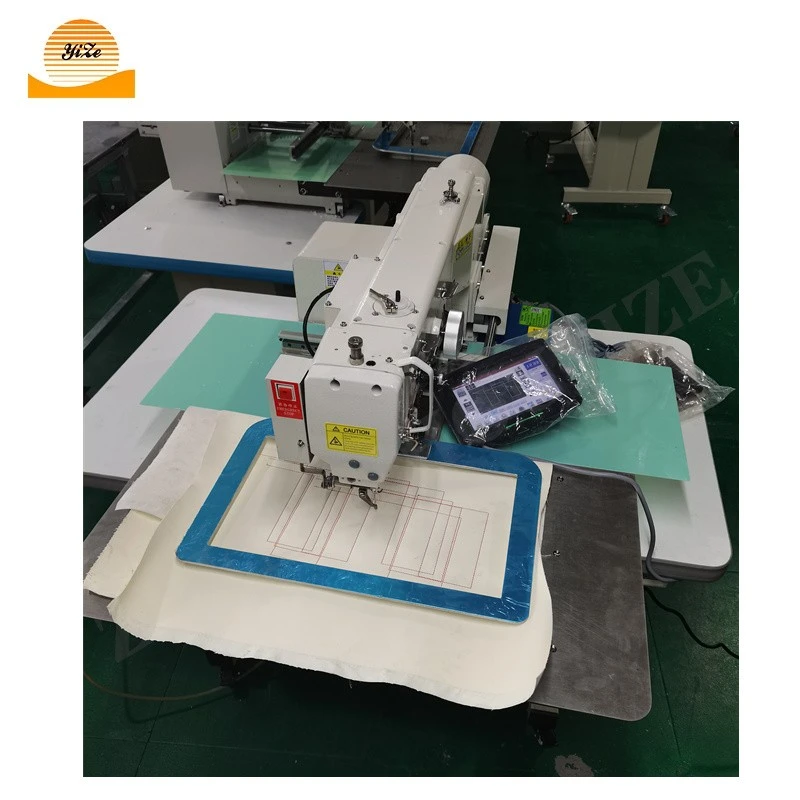

Choosing the Right Sewing Machine
Not all sewing machines are created equal when it comes to sewing leatherette. You'll want to look for a machine that's powerful enough to handle the thickness of the material. Industrial sewing machines are often a great choice because they're built to handle heavy-duty materials. They have a strong motor and a high stitch speed, which can make sewing leatherette a breeze.
If you're working on a smaller scale or don't have the budget for an industrial machine, a heavy-duty home sewing machine can also do the trick. Just make sure it has adjustable stitch length and width, as well as the ability to handle different types of needles.
Here at our company, we offer a variety of sewing machines that are perfect for sewing leatherette. For example, our Bead Sewing Machine is not only great for adding beads to your projects but can also handle leatherette with ease. It has a smooth feed system that helps prevent the material from bunching up, and it can create beautiful, even stitches.
Another option is our Seat Cushion Sewing Machine. This machine is specifically designed for sewing thick materials like leatherette, and it's perfect for creating seat cushions, pillows, and other upholstery projects. It has a powerful motor and a large sewing area, so you can work on larger pieces without any problems.
And if you're looking for a machine that can create intricate patterns on your leatherette projects, our Automatic Pattern Sewing Machine is the way to go. It can sew complex patterns with precision and speed, giving your projects a professional look.
Using the Right Needles
The type of needle you use is crucial when sewing leatherette. You'll want to choose a needle that's sharp and strong enough to penetrate the material without causing any damage. A leather needle is the best choice for sewing leatherette. These needles have a triangular point that helps them pierce the material cleanly, and they're available in different sizes depending on the thickness of the leatherette.
For thinner leatherette, a size 90/14 needle should work well. If you're working with thicker leatherette, you may need to go up to a size 100/16 or even 110/18 needle. Make sure to change your needle regularly, especially if you notice that it's starting to dull or bend. A dull needle can cause the material to pucker or tear, and it can also damage your sewing machine.
Thread Selection
The thread you choose is also important when sewing leatherette. You'll want to use a strong, durable thread that can withstand the stress of sewing. Polyester thread is a popular choice because it's strong, flexible, and resistant to abrasion. It comes in a wide range of colors, so you can choose one that matches your leatherette.
When choosing a thread weight, you'll want to consider the thickness of the leatherette. For thinner leatherette, a medium-weight thread (such as 40 or 50 weight) should work well. For thicker leatherette, you may need to use a heavier-weight thread (such as 30 weight) to ensure that the stitches are strong enough.
Preparing the Leatherette
Before you start sewing, it's important to prepare the leatherette properly. First, make sure the material is clean and free of any dirt or debris. You can use a damp cloth to wipe it down if necessary. If the leatherette has a protective coating, you may need to sand it lightly to help the thread adhere better.
Next, you'll want to cut the leatherette to the desired size and shape. Use sharp scissors or a rotary cutter to make clean, straight cuts. Make sure to leave a little extra material around the edges for seam allowances.
Sewing Techniques
When sewing leatherette, it's important to use the right techniques to ensure that the stitches are even and strong. Here are a few tips to keep in mind:
- Start slow: Leatherette can be a bit tricky to sew, especially if you're new to working with this material. Start with a slow stitch speed and gradually increase it as you get more comfortable. This will help you maintain control and prevent the material from bunching up.
- Use a walking foot: A walking foot is a special type of presser foot that helps feed the material through the machine evenly. It's especially useful when sewing leatherette because it can prevent the material from slipping or stretching. You can purchase a walking foot separately and attach it to your sewing machine.
- Backstitch at the beginning and end: Backstitching at the beginning and end of each seam helps to secure the stitches and prevent them from unraveling. Make sure to backstitch a few times to ensure that the seam is strong.
- Take your time: Sewing leatherette requires patience and precision. Don't rush through the process, and take the time to make sure that each stitch is straight and even. If you make a mistake, don't be afraid to unpick the stitches and start over. It's better to take the time to do it right than to end up with a messy, uneven seam.
Troubleshooting
Even if you follow all the steps correctly, you may still encounter some problems when sewing leatherette. Here are a few common issues and how to solve them:
- Puckering: If the material is puckering or bunching up as you sew, it could be because the needle is too dull or the stitch length is too short. Try changing the needle and adjusting the stitch length to see if that helps.
- Skipped stitches: Skipped stitches can be caused by a dull needle, a misaligned needle, or a problem with the tension. Check the needle to make sure it's inserted correctly and that it's not dull. You may also need to adjust the tension settings on your sewing machine.
- Tearing: If the leatherette is tearing as you sew, it could be because the needle is too large or the thread is too thick. Try using a smaller needle and a thinner thread to see if that solves the problem.
Conclusion
So, to answer the question, "Can I sew leatherette with a sewing machine?" the answer is definitely yes! With the right sewing machine, needles, thread, and techniques, you can create beautiful, professional-looking projects using leatherette.
At our company, we're committed to providing high-quality sewing machines and accessories that are perfect for working with leatherette and other materials. Whether you're a professional seamstress or a hobbyist, we have the products and expertise to help you achieve your sewing goals.
If you're interested in learning more about our sewing machines or have any questions about sewing leatherette, please don't hesitate to contact us. We'd be happy to help you choose the right machine for your needs and provide you with any support or advice you may need. Let's start creating together!
References
- "Sewing Leatherette: Tips and Tricks." Sewing World Magazine, Vol. 15, No. 3, 2023.
- "The Ultimate Guide to Sewing Faux Leather." Crafting with Leatherette, 2nd ed., Smith Publishing, 2022.